







Sadiq Khan's controversial Ulez scheme has brought in millions from motorists, with drivers across London punished with hefty daily charges and fines.
New figures obtained by a Freedom of Information request revealed Transport for London collected a staggering £180million from the scheme in 2025 alone.
This included £123million from daily charges paid by owners of non-compliant vehicles and a further £57million from fines.
What Car?, which commissioned the report, described London's Ultra Low Emission Zone as "the biggest and most lucrative scheme" in the UK.
The Ulez was first launched in central London before being massively expanded in August 2023 to cover the whole of Greater London, an area spanning 580 square miles and home to around nine million people.
Drivers whose cars fail to meet emissions standards must pay a daily charge of £12.50. Failing to pay the fee can result in a fine of up to £180 for most cars, vans, and motorcycles, although this can be reduced to £ 90 if paid within 14 days.
To meet the requirements, petrol cars must meet at least Euro 4 emissions standards, which usually means being registered from 2006 onwards.
Meanwhile, diesel cars must meet Euro 6 standards, with vehicles registered from September 2015 onwards, making the cut. Fully electric cars are automatically compliant.
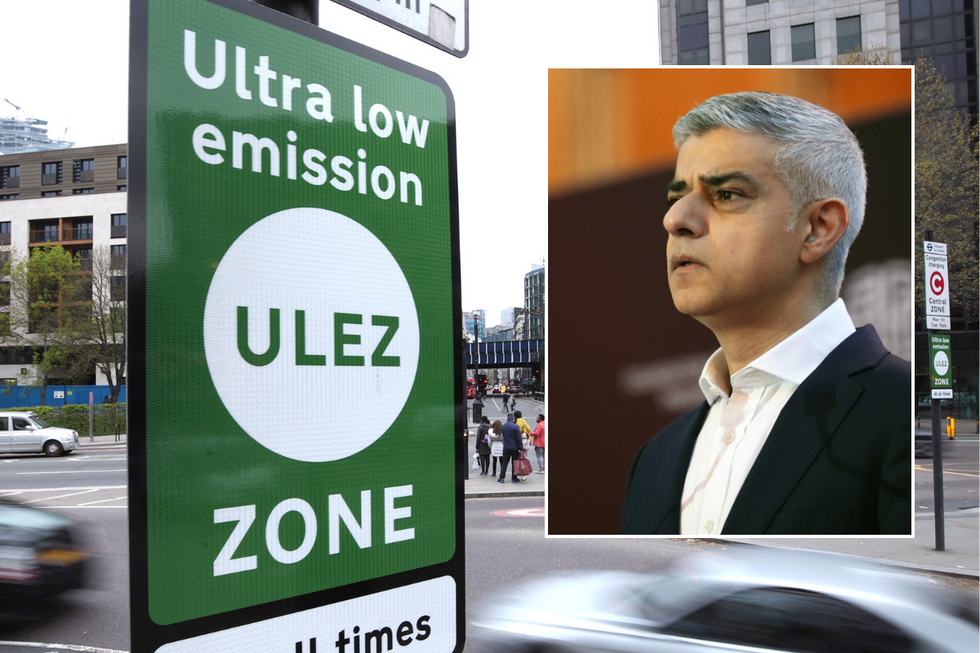
Sadiq Khan's scheme brought in £180million in revenue last year
| PAAccording to the data, many motorists are still breaking the rules. Across the UK, more than £103million was generated purely from fines handed to drivers entering low-emission zones without paying.
What Car? said a "staggering £103.4million came from drivers being fined by entering the toll zones, perhaps unwittingly".
The latest figures show Low Emission Zones across the UK generated more than £250million last year. While London dominates the list, other cities are also bringing in significant sums through clean air schemes.
Birmingham recorded the second-highest revenue, collecting £30.7million in total, including £20.5million from fines and £10.2million from daily charges.
LATEST DEVELOPMENTS
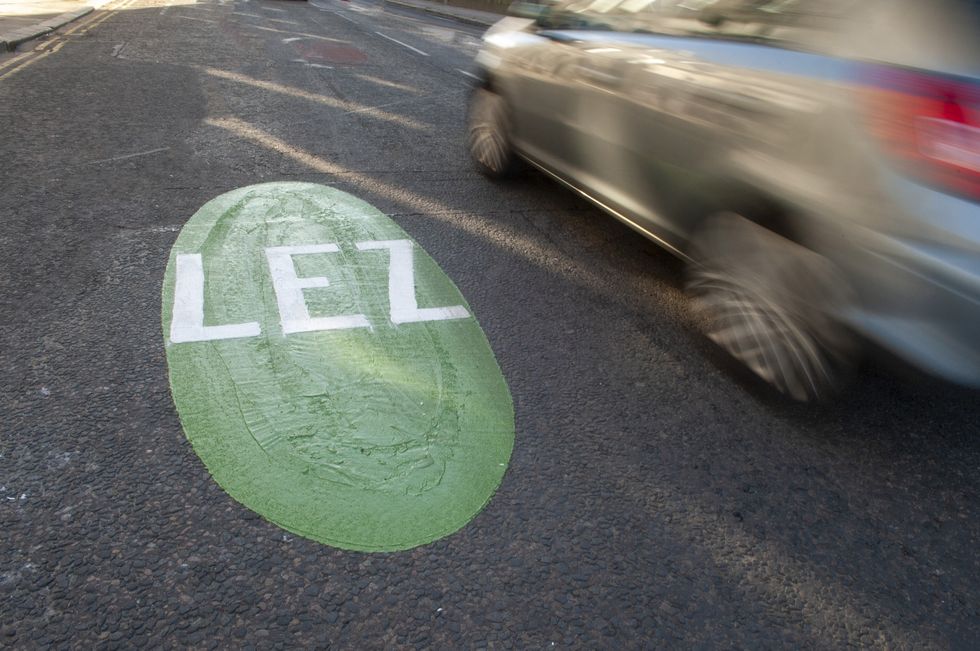 The LEZ prevents certain vehicles from entering emission zones | ABERDEEN CITY COUNCIL
Bristol raised £22.4million, including £14million from fines and £8.3million from fees paid by drivers of non-compliant vehicles.
Several other cities targeted mainly commercial vehicles rather than private motorists. Bradford was the highest-earning of those schemes, bringing in £7.6million in 2025, with £5.4million coming from fines.
Sheffield generated £6million overall, while Newcastle raised £3.1million. Portsmouth's Clean Air Zone, which exempts vans but charges older commercial vehicles, collected £173,000.
In Scotland, the approach is slightly different. Cities including Edinburgh, Glasgow, Dundee and Aberdeen do not charge drivers a daily fee. Instead, motorists are fined for entering the Low Emission Zones in non-compliant vehicles.
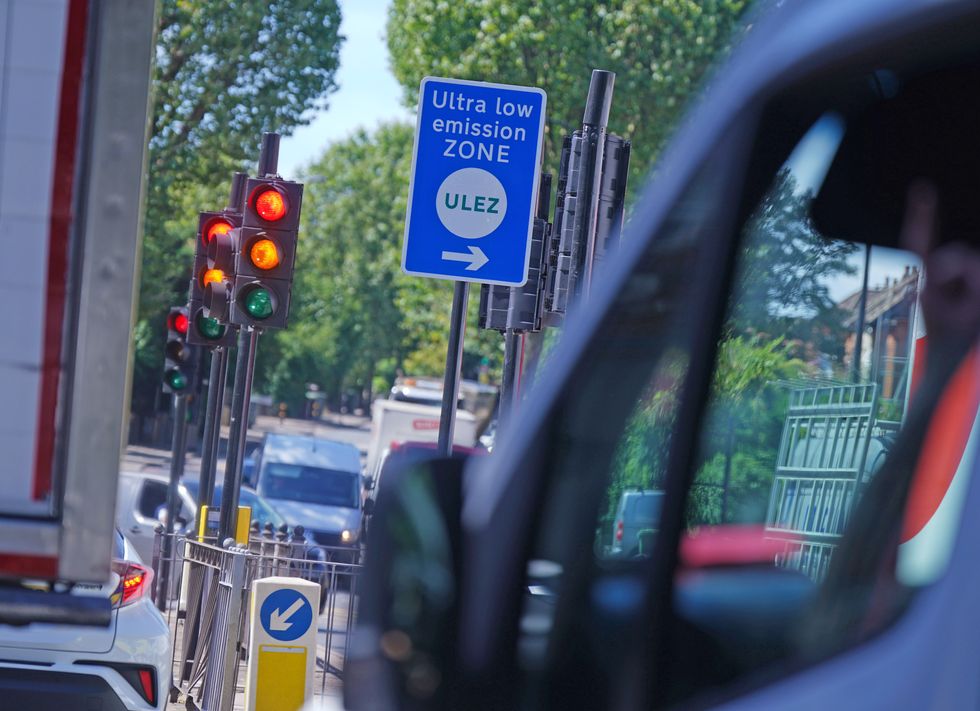
The Ulez was expanded on August 29 in 2023
| PAEdinburgh raised the highest amount in Scotland, collecting £1.1million. The data also highlights the enormous costs involved in operating the schemes.
According to What Car?, Low Emission Zones across the UK cost more than £121million a year to run.
London's Ulez alone reportedly cost £100million to operate in 2025. Transport for London has not yet provided a detailed explanation for the huge running costs, although the recent expansion of the zone is believed to have played a major role.
Under current rules, money raised from Clean Air Zones must be reinvested into transport and environmental projects. Birmingham said surplus cash from its scheme had been used on a range of transport initiatives and clean air policies.
Bradford said it spent £1million on a Clean Air Schools Programme and £800,000 on an e-bike hire scheme. Sheffield also confirmed it had invested £1million in clean air projects.