







The Duke of Edinburgh delivered a blunt message to over 100 education ministers gathered at the Education World Forum in Westminster last week, telling them he had "really disappointing" news about academic achievement.
Prince Edward argued that while formal qualifications might secure a job interview, they rarely feature in the conversation once candidates are face-to-face with employers.
"When you get to the interview, they will never ask you about your academic qualifications," he said.
"What they want to know is what you've done. What are your experiences? What is it that you have done that shapes you as a person?"
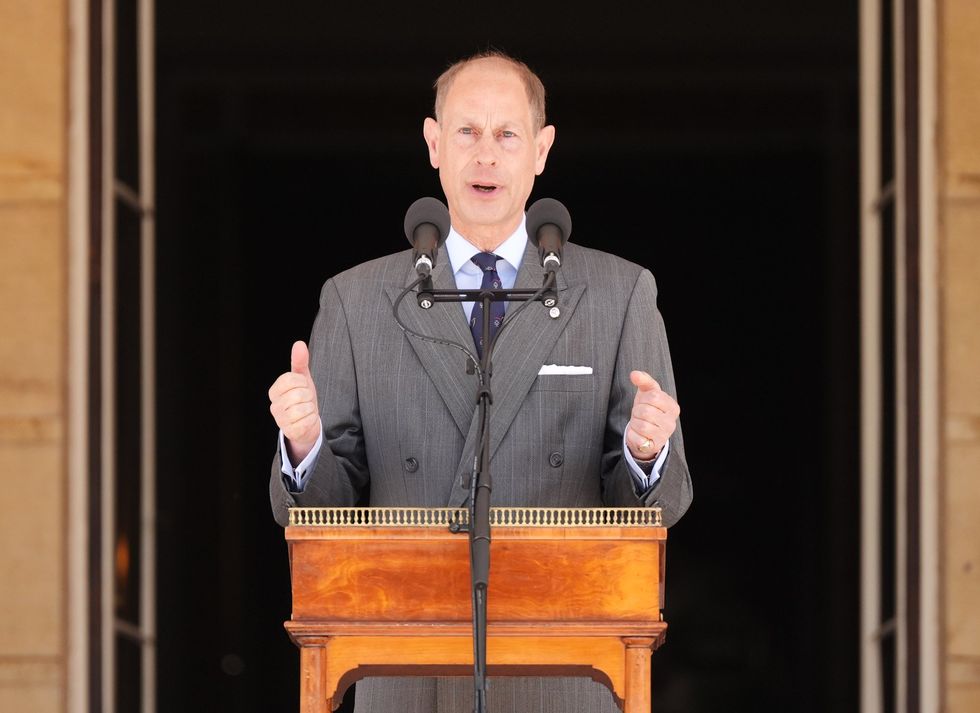
Prince Edward issued a blunt warning to education bosses
|GETTY
The 62-year-old royal warned that young people who lack extracurricular experiences will struggle to demonstrate their character and passions to prospective employers.
Edward's observations carry a certain personal resonance given his own academic record.
The King's youngest brother achieved a C in English alongside Ds in history and politics at A-level, outperforming several of his relatives, before reading history at Jesus College, Cambridge, where he graduated with a 2:2.
His own children are currently navigating the education system. James, Earl of Wessex, 18, will sit his A-levels this summer, while Lady Louise Windsor, 22, is completing her final year studying English at the University of St Andrews.
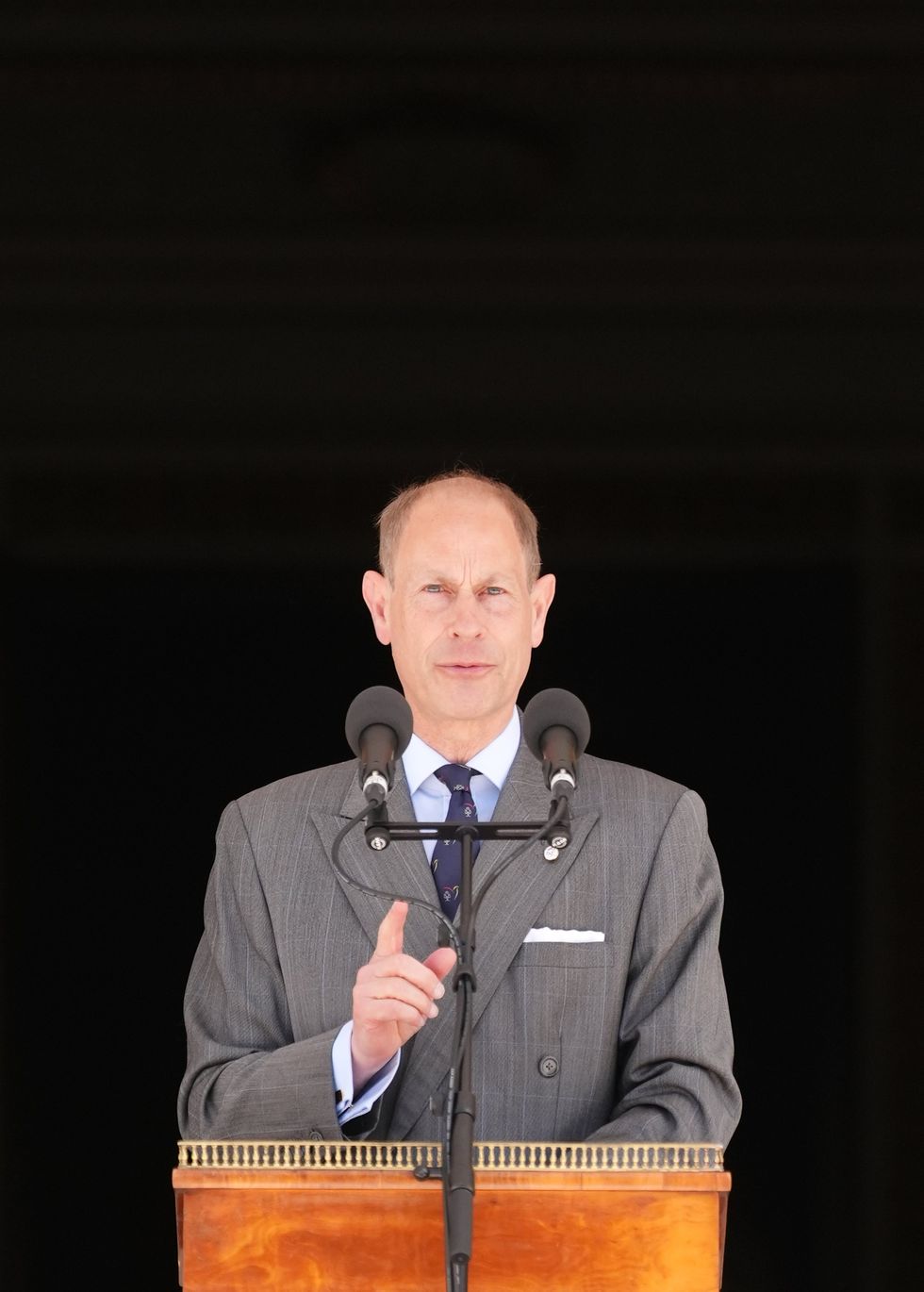
Edward serves as patron of the Duke of Edinburgh's Award
|GETTY
Edward serves as patron of the Duke of Edinburgh's Award, the programme established by his late father, Prince Philip, in 1956.
The scheme encourages young people to volunteer, develop new skills and undertake outdoor expeditions.
Edward addressed what he described as "the big elephant in the room" facing educators worldwide: artificial intelligence and its growing presence in the workplace.
"How do we as humans stay one step ahead of technology? How do we keep that technology as a tool?" he asked the assembled ministers.
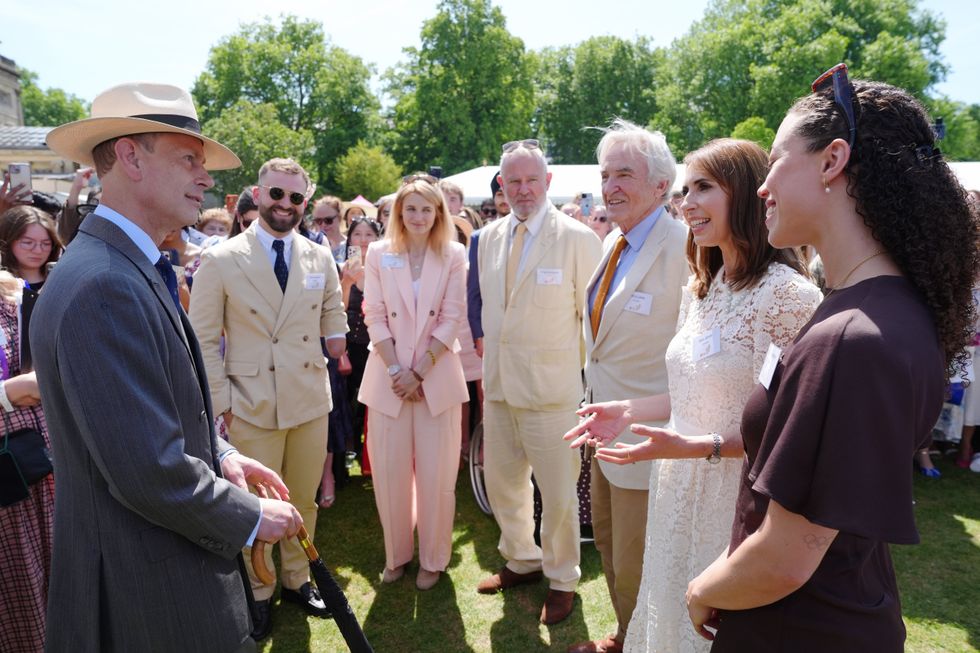
Prince Edward speaks to celebrity guest speakers Drew Walker, Lucy Shepherd, Hugh Bonneville, Larry Lamb, Alex Jones, and Tabby Stoecker at the Gold Award celebrations for the Duke of Edinburgh's Award
|GETTY
The duke drew a distinction between knowledge, which technology can readily provide, and wisdom, which remains uniquely human.
"Technology brings access to knowledge. But where do you acquire wisdom? Where do you acquire the ability to interpret that?" he said. "AI can't tell whether it's right or wrong. It can't do that. Those are human skills."
He stressed that capabilities such as critical thinking, self-confidence and empathy must be nurtured beyond the classroom as machines increasingly handle routine office functions.
The corporate world is already adapting to this shift in priorities. Kellogg's removed degree requirements from most of its headquarters positions in 2023 to avoid overlooking talented candidates who had pursued apprenticeships or entered employment directly.
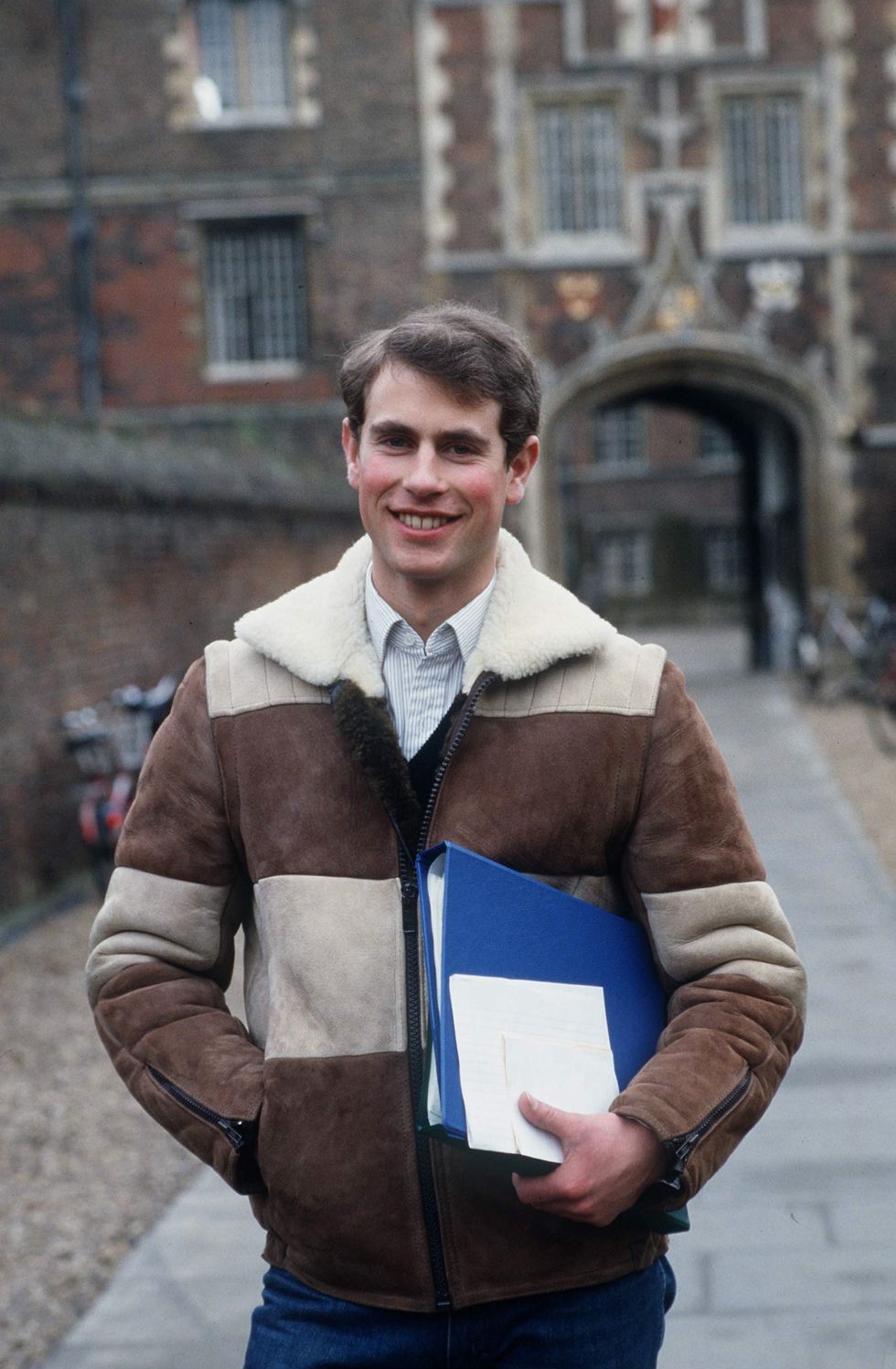
Prince Edward pictured as a student at Cambridge
|GETTY
Virgin Media O2 has eliminated CVs and work experience requirements from its apprenticeship, graduate and internship programmes, instead evaluating applicants on their abilities, strengths and motivations.
Phil Baty, director-general of the Education World Forum, insisted there was "nothing soft about soft skills", emphasising that employers increasingly seek individuals who can communicate effectively, demonstrate leadership and pose the right questions.
Sheila Flavell, chief operating officer at FDM Group, noted that even weekend retail work demonstrates valuable problem-solving and interpersonal abilities.
Andreas Schleicher from the OECD argued that education must evolve from passive listening towards active experience.