







The Department for Culture, Media and Sport has confirmed that the BBC licence fee has increased in price.
Households across Britain will have to pay £180 annually for their television licence from April 1.
This represents a £5.50 yearly increase, working out to approximately 46p extra each month.
The adjustment follows the 2022 Licence Fee Settlement, which mandates that the fee tracks the consumer price index until the current BBC Charter Period concludes.
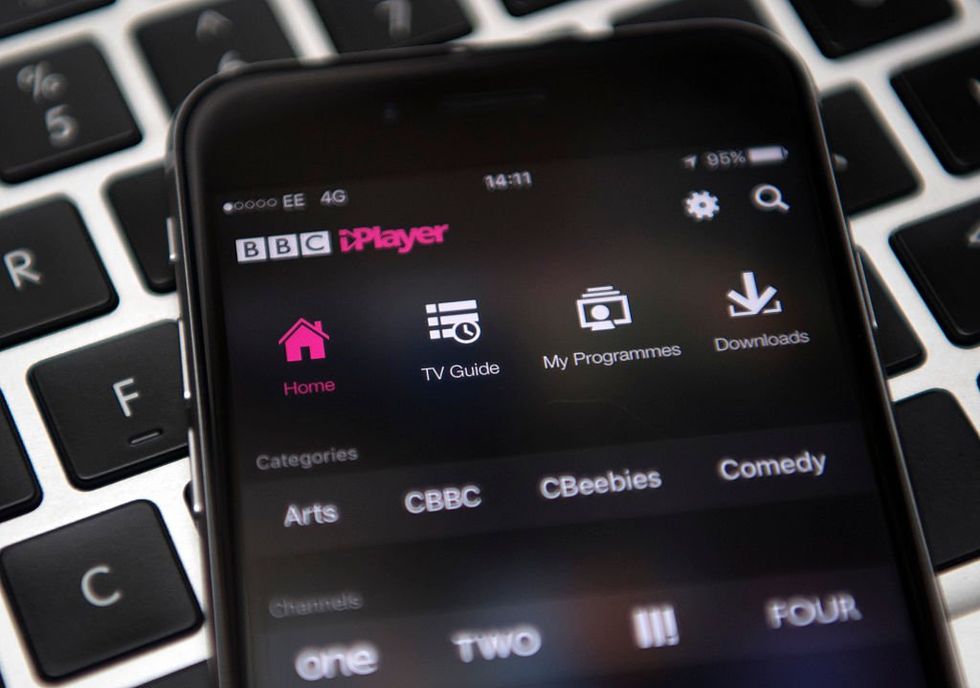
The TV licence fee will now cost £180 per year
|GETTY
Ministers have said the rise will provide the Corporation with a stable financial foundation, enabling it to fulfil its public service obligations and continue supporting the nation's creative sector.
Figures show that 94 per cent of UK adults engaged with its services monthly during the past year.
The Government has reaffirmed its commitment to the licence fee model for the duration of the current Charter Period, whilst acknowledging the financial pressures facing households.
A Charter Review is presently underway, examining how the Corporation can be sustainably funded and, it said, to help maintain impartial editorial standards and deliver value to those who pay for its services.
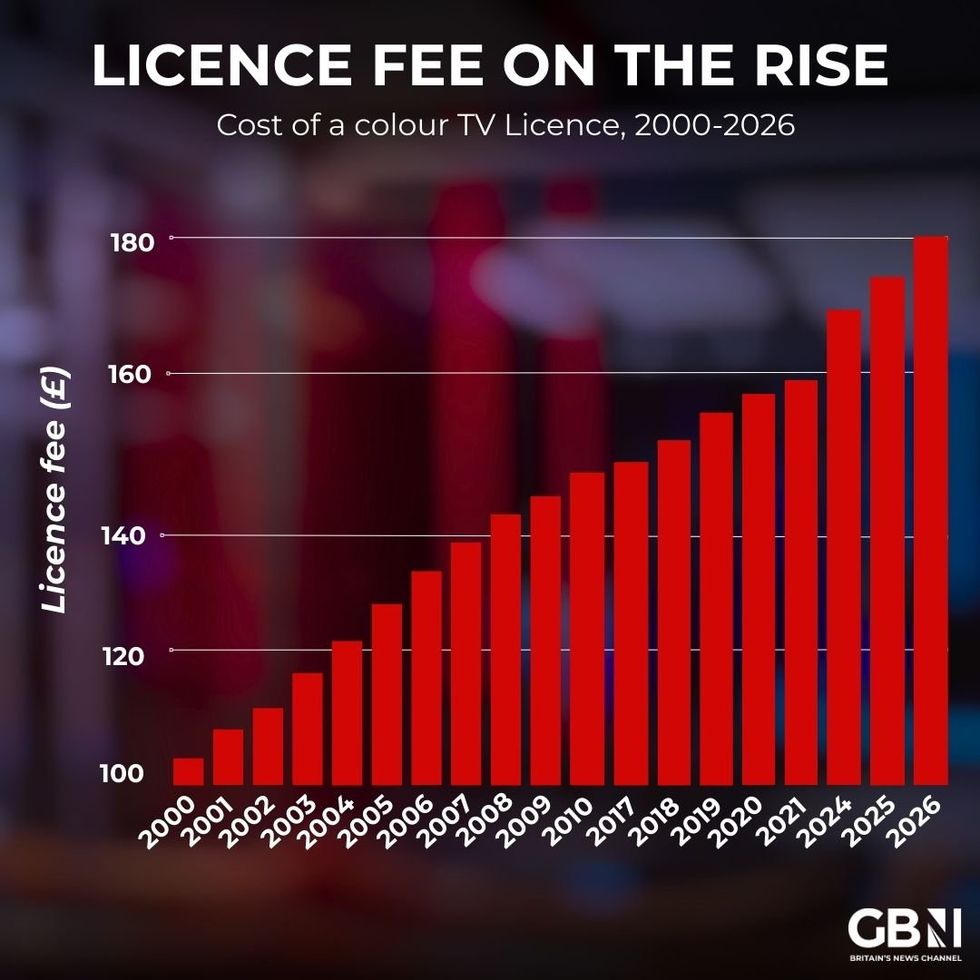
The change will come into effect in April
|GB News
Those experiencing severe financial hardship can access the Simple Payment Plan, which the Government says allows the cost to be spread across smaller instalments throughout the year.
Pensioners aged 75 and over who receive Pension Credit remain entitled to a free licence, whilst care home residents and blind individuals benefit from reduced rates.
The Welsh-language broadcaster S4C, which derives its entire public funding from licence fee revenue, will receive a proportionate boost to approximately £100million for the 2026/27 financial year, the Government said.
This allocation is intended to bolster the growth of Wales's creative industries.
The price rise comes as the Government presses ahead with a sweeping review of how the BBC should be funded in the years ahead.
Executives are examining ways to make the system fairer and more sustainable once the current Charter expires, with several major changes on the table.
One option reportedly under consideration is bringing back a charge for listening to BBC radio, something last seen 55 years ago.
The corporation is also exploring new revenue streams, including charging Netflix users, introducing fees for access to its website, and increasing payments for wealthier households.
At present, only viewers of live TV or iPlayer content must pay the licence fee. Radio, podcasts and the BBC website remain free.
The modern licence fee was introduced in 1946 at £2, with radios exempted from 1971.
BBC leaders argue that recent increases have failed to keep pace with inflation and are pushing for a new settlement ahead of next year’s Royal Charter renewal.
That lobbying comes despite revelations that the broadcaster plans to spend up to £63million on round‑the‑clock taxis for staff and stars, the equivalent of 361,000 licence fees.

Strictly remains one of the broadcaster's flagship shows
| BBCOne proposal being explored would widen the number of households paying the fee while reducing the average cost.
The Public Accounts Committee says the BBC lost more than £1billion last year after a record number of households refused to pay.
The corporation is also developing iPlayer tracking technology to identify non‑payers, according to reports.
Former BBC television director Danny Cohen has backed the move, saying it is logical to use digital data to determine who uses BBC services and who should contribute.
The broadcaster has yet to finalise its submission, but reports suggest it will urge ministers not to stick with the “status quo” model.