





The Home Counties have experienced the largest falls in private school pupil numbers following the introduction of VAT on independent school fees, Labour figures show.
Data covering the 2024/25 academic year indicates that Surrey and Hertfordshire recorded the steepest declines in private enrolment.
Both counties saw a reduction of around 800 independent school pupils during the year.
State school numbers in the same areas also fell, though by roughly half that figure.
TRENDING
Stories
Videos
Your Say
The figures suggest that the introduction of VAT on private school fees has not led to a large-scale shift of pupils into the state sector across England.
Analysis of local authority data shows that fewer than one in seven councils recorded an increase in state school pupil numbers alongside a fall in private school enrolment.
Several areas recorded declines in private school numbers without a corresponding rise in state education rolls.
Westminster, Ealing, Lancashire, Hampshire, Kent and Oxfordshire all lost hundreds of independent school pupils during the academic year.
Of those areas, only Kent and Oxfordshire recorded an increase in state school enrolment.
The broader statistical picture indicates that falling birth rates since 2012 have had a greater impact on pupil numbers than the introduction of the 20 per cent VAT charge in January 2025.
Changes have been most pronounced among younger pupils.
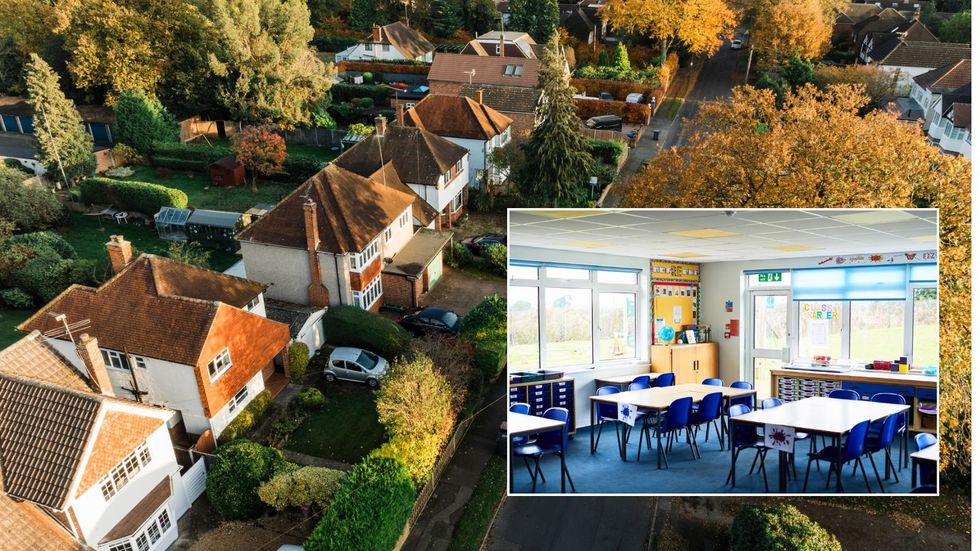
Labour figures show that parts of the Home Counties have experienced the largest falls in private school pupil numbers
|GETTY
Independent primary school enrolment fell by 3.4 per cent during the period.
State primary school numbers also declined, falling by 1.4 per cent.
Among secondary school pupils, the impact has been more limited.
Independent school enrolment among pupils aged over 12 fell by 0.4 per cent, equivalent to 1,321 children.
State secondary school numbers increased by 0.7 per cent over the same period.
Across around half of all local authority areas, both state and private sectors recorded declines in pupil numbers at the same time.
In contrast, independent school enrolment increased in around a third of council areas.
LATEST DEVELOPMENTS

Changes have been most pronounced among younger pupils
|GETTY
Julie Robinson, chief executive of the Independent Schools Council, said the sector was adjusting to the changes.
"The sector is adapting to this new era," she said.
She added the full impact of the policy may take time to emerge.
"We know this from the previous economic crash, that parents do all they possibly can to get their children through to the next transition point, so that's why it takes a few years to work through the system," she continued.
Ms Robinson said 57 mainstream private schools closed during the year, which compares with an average of 42 closures annually in previous years.
She said other schools had responded by reducing staff numbers or pursuing mergers.
Ms Robinson said the policy was increasing competition for places in the state sector, and was also affecting the make-up of independent schools.
She said the changes were pushing some schools towards serving wealthier families.
Ms Robinson said VAT was not expected to lead to the collapse of the independent sector, but remained confident about the long-term outlook for private education.
Labour has rejected claims that the policy would overwhelm state schools, describing concerns about pressure on admissions as a manufactured crisis.
A Government spokesman said pupil numbers remained within historical patterns seen over the past 20 years.
The Government pointed to admissions data showing that the proportion of children securing a place at one of their preferred primary schools was the second highest on record.
The VAT policy formed a key manifesto commitment ahead of the General Election
|GETTY
Sir Keir Starmer’s Government expects the measure to raise £1.5billion during the current financial year.
The Office for Budget Responsibility (OBR) maintained its forecast in November that 35,000 pupils would eventually leave the independent sector as a result of the change.
However, the fiscal watchdog increased its expected annual revenue from the policy by £40million.
The OBR said higher earnings growth meant more families were expected to continue paying private school fees despite the additional tax.
Further data will be monitored as the policy continues to take effect across future academic years.
More From GB News