










Households using weight-loss jabs such as Mounjaro and Wegovy are cutting their grocery spending by more than £400 a year as the drugs dramatically reshape eating habits across Britain.
New research has found households with at least one person taking a GLP-1 medication are spending substantially less on supermarket shopping compared with similar households not using the drugs.
According to data from Worldpanel by Numerator, around 1.9 million adults in Britain are now taking GLP-1 medications.
That means more than 6.3 per cent of UK households now include at least one person using the injections.
The figure has risen sharply over the past two years, climbing from 2.3 per cent of households in 2024 to 4.1 per cent last year before reaching current levels.
Researchers found the growing popularity of the medications is already having a significant impact on supermarket spending.
Households with a GLP-1 user spent a combined £780million less on groceries than expected when compared with households not using the drugs.
During February alone, those households purchased 299 million fewer grocery items.
That translated into an average spending reduction of £418 compared with non-user households.
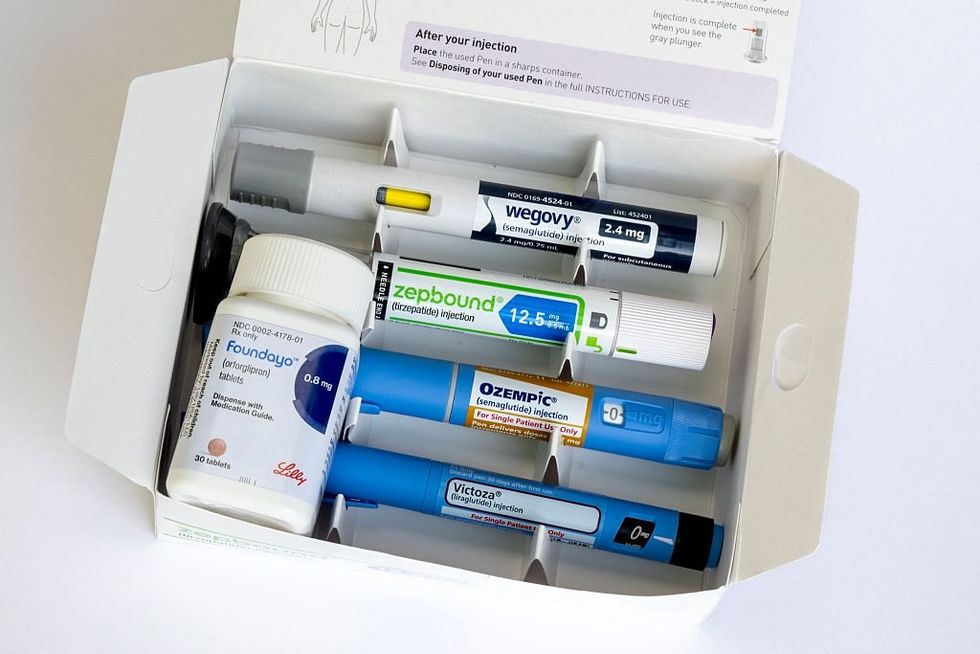
Weight-loss jab users spending £400 less on groceries as Mounjaro and Wegovy reshape shopping habits
|GETTY
The research also suggested the medications are changing how people think about food and eating habits more broadly.
More than half of users described themselves as "mindful" eaters who now allow hunger rather than routine or restrictive dieting to determine when they eat.
Around 54 per cent of users also reported experiencing fewer cravings and significantly reduced "food noise".
Researchers additionally found that roughly one in 10 users said they no longer enjoyed foods they had previously liked before starting the medication.
Shopping data showed the clearest reductions were concentrated in snack foods and confectionery.
LATEST DEVELOPMENTS
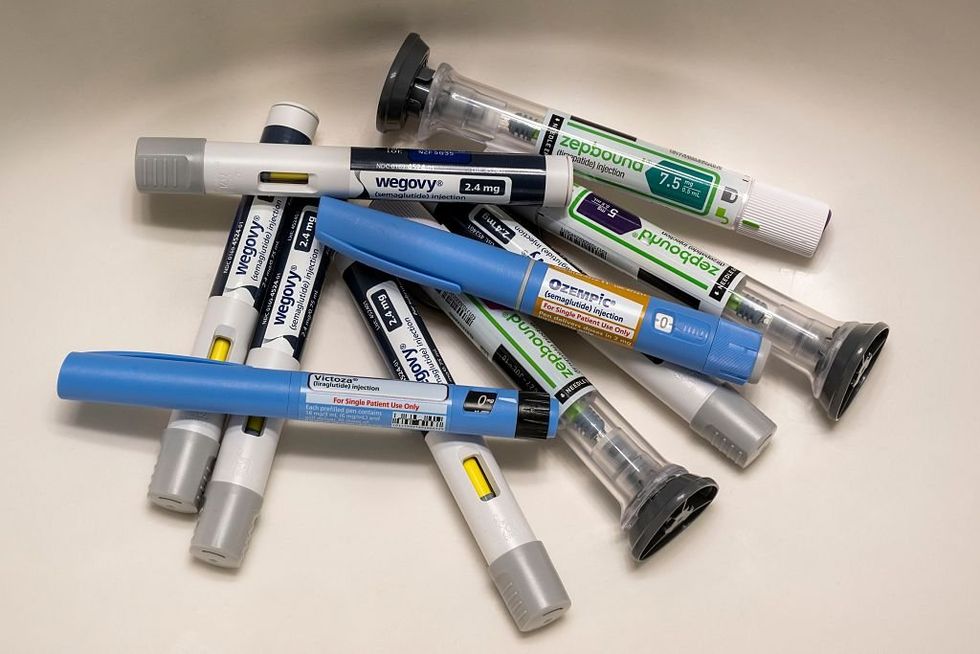
Three-quarters of users reported eating less chocolate, while 72 per cent said they had reduced their crisp consumption.
|GETTY
Spending on chocolate products fell by 18 percentage points more in households with GLP-1 users compared with those without.
The medications have also produced unexpected knock-on effects in other supermarket categories.
Side effects sometimes referred to as "Ozempic mouth", including dry mouth and bad breath, have reportedly driven increased demand for oral hygiene products.
Sales of mouthwash rose by 20 percentage points more in households using the drugs, while chewing gum purchases increased by 24 percentage points.
Chantel Kennaugh of Worldpanel by Numerator said: "These drugs are fundamentally disrupting how people engage with food and drink, with ripple effects already being felt across grocery and lifestyle, forcing brands and businesses to adapt at pace."
Retailers have already begun adjusting their product ranges in response to changing consumer behaviour.
Marks & Spencer launched a new range of nutrient-dense foods earlier this year aimed at customers eating smaller portions while using weight-loss medications.
Ocado has also introduced a dedicated online "weight management" section.
The changes are not limited to supermarkets, with restaurants also reporting shifts in customer expectations.
Research found around 40 per cent of GLP-1 users wanted smaller portion options on menus, while more than a quarter said they would like restaurants to provide dedicated GLP-1-friendly menu sections.
Despite the growing popularity of the drugs, affordability remains a major issue for many users.
The report found cost had become the biggest obstacle to continuing treatment, with around two-fifths of users stopping the medication this year because they could no longer afford it.