










Rachel Reeves’s overhaul of Individual Savings Accounts (ISAs) faces mounting opposition from the City amid fears the changes may discourage millions from investing.
From next April, the annual cash ISA allowance will be reduced from £20,000 to £12,000 for savers aged under 65, with the remaining £8,000 required to be invested rather than held in cash.
The Chancellor introduced the reforms in a bid to encourage greater participation in stock market investing, but financial services firms have raised growing concerns over the complexity being introduced to what was previously viewed as a straightforward savings product.
Months of private consultations between the Treasury and financial firms have yet to produce finalised regulations despite the implementation date rapidly approaching.
The publication of detailed rules, which had originally been expected this summer, has reportedly been delayed because of disagreements within the Treasury over how certain assets should be classified.
Officials remain divided over whether Treasury bills and similar short-term Government debt securities should be prohibited from investment accounts because they resemble cash holdings, or permitted as legitimate investments.
The Treasury is also continuing to debate how "cash-like assets" should be defined, with the category expected to include money market funds, gilts and certain corporate bonds.
Draft proposals seen by The Telegraph suggested investors could hold any proportion of their portfolio in these lower-risk instruments except 100 per cent, meaning a single penny invested in equities could potentially satisfy the requirement.
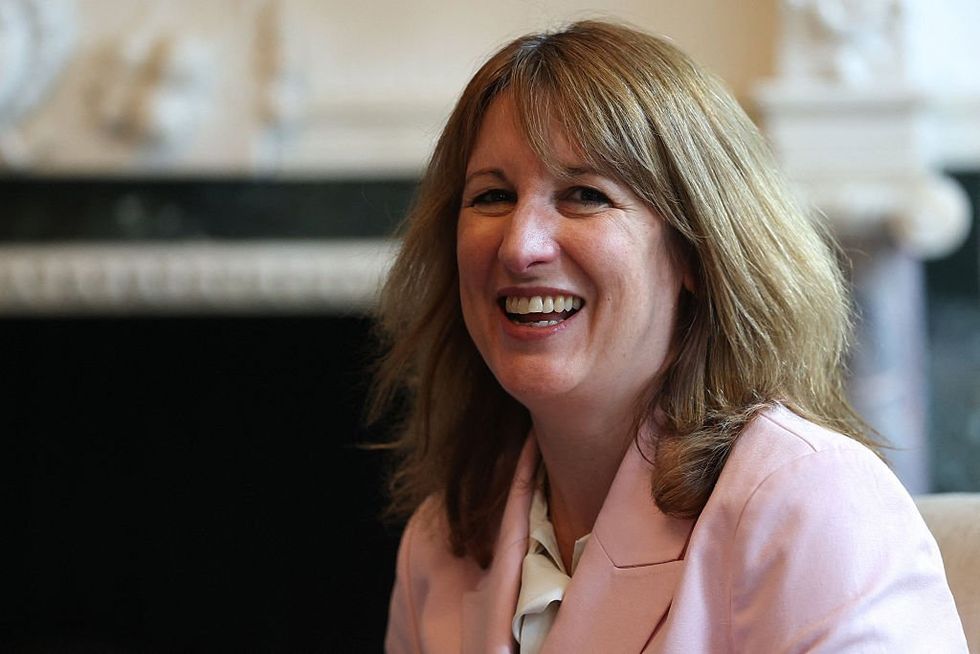
Rachel Reeves ISA changes spark backlash as City warns reforms could deter millions of investors
|GETTY
Transfers between different ISA products are also expected to be restricted in an attempt to prevent savers moving funds from investment accounts back into cash ISAs.
Alex Campbell of Freetrade described the 22 per cent charge on interest as "a solution looking for a problem".
He added: "The Government is micromanaging personal risk tolerance. The only victim will be the British public’s willingness and ability to build long-term wealth."
LATEST DEVELOPMENTS

Investment platforms have united in criticism of the proposed reforms, warning they risk creating unnecessary barriers for savers
|GETTY
Brian Byrnes, director of personal fiinance at Moneybox, warned the tightening regulations create "a real risk of creating friction for millions of savers to solve a problem we don't fully understand".
Michael Healy, UK managing director at IG, argued the restrictions should "explicitly exclude sovereign debt instruments such as gilts and Treasury bills, which are productive investments rather than idle cash holdings".
Tom Selby, director of public policy at AJ Bell, said the retail investing industry remained united in its opposition to the plans and urged the Government to adopt what he described as a more pragmatic approach.
Shadow Chancellor Sir Mel Stride called on Ms Reeves to abandon what he described as her "flawed plan".
He said: "This change is meant to be coming in next April, but the rules still haven't been finalised, leaving people in the dark."
Savers have also voiced frustration over the proposed restrictions and the uncertainty surrounding the reforms.
Stephen Jacques, 55, from Poole, who has used ISAs for two decades, said the changes were becoming "more complicated and it's increasing the barriers for people to do it".
He added: "The reasoning is just rubbish."
Simon Billingsley, 50, from Suffolk, warned the reforms would have "a negative effect for the average investor".
He also expressed concern his 18-year-old son could be discouraged from investing altogether because of the additional complexity.
London-based lawyer Igor Poroger, 41, said he would not increase his equity holdings if low-risk options were restricted and would instead consider alternatives such as property investment.
Greg Davies of Oxford Risk argued the underlying issue was behavioural rather than structural.
He said: "You're not going to solve that problem just by changing the rules around wrappers."