







Britons in their 60s are slamming the current increase in the state pension age as "unfair" as health inequality in the UK surges for those reaching retirement.
Fresh analysis from The Health Foundation reveals a troubling trend in British health outcomes, with the typical person now experiencing good health for just under 61 years.
This represents a decline of approximately two years over the past decade. The research, drawing on Office for National Statistics (ONS) figures, found that 90 per cent of UK areas now have healthy life expectancy falling short of the state pension age.
Britain ranks among just five of the 21 wealthiest nations to see this measure deteriorate, recording the second sharpest drop overall.
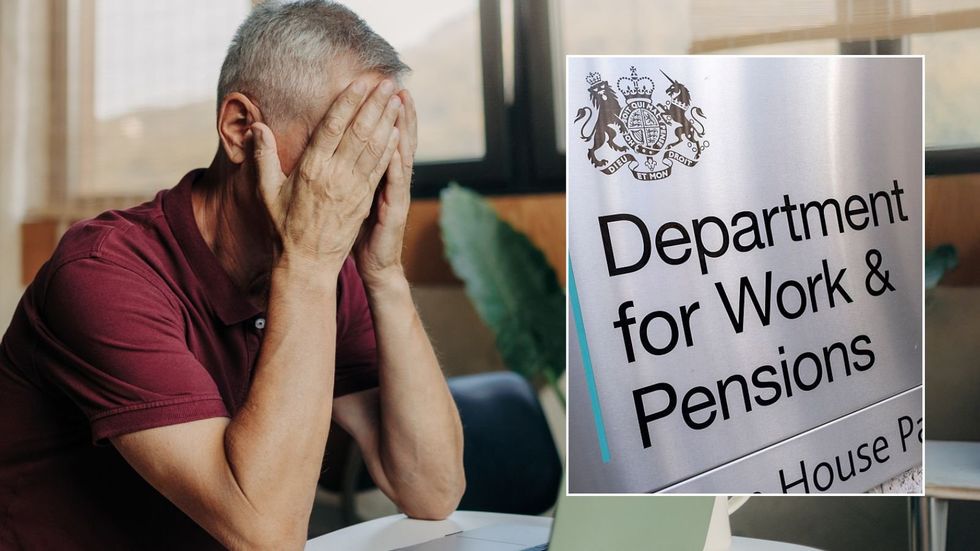
Britons are slamming the state pension age hike as health inequalities grow
|GETTY
Researchers attributed the decline to multiple factors, including deprivation, poor housing, obesity and other lifestyle concerns, alongside the enduring impact of the coronavirus pandemic.
In the most disadvantaged communities, men can anticipate remaining in good health until just 49.8 years of age, while women fare slightly worse at 48.2 years.
By contrast, those residing in the wealthiest areas enjoy healthy lives until 69.2 years for men and 68.5 years for women. This translates to a gap of roughly two decades between the most and least affluent parts of Britain.
Sarah Coles, head of personal finance at AJ Bell, warned that the situation could worsen further as the state pension age continues to climb.
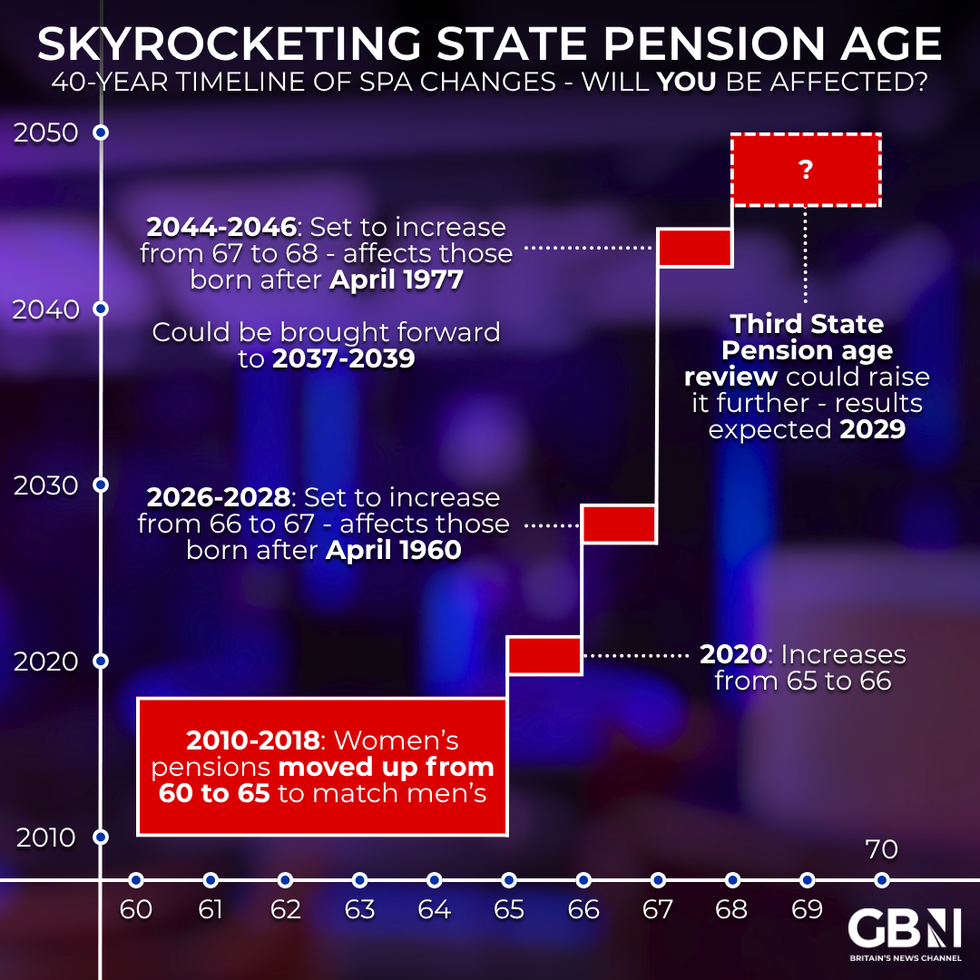 Are you affected by state pension age changes? | GBN
LATEST DEVELOPMENTS
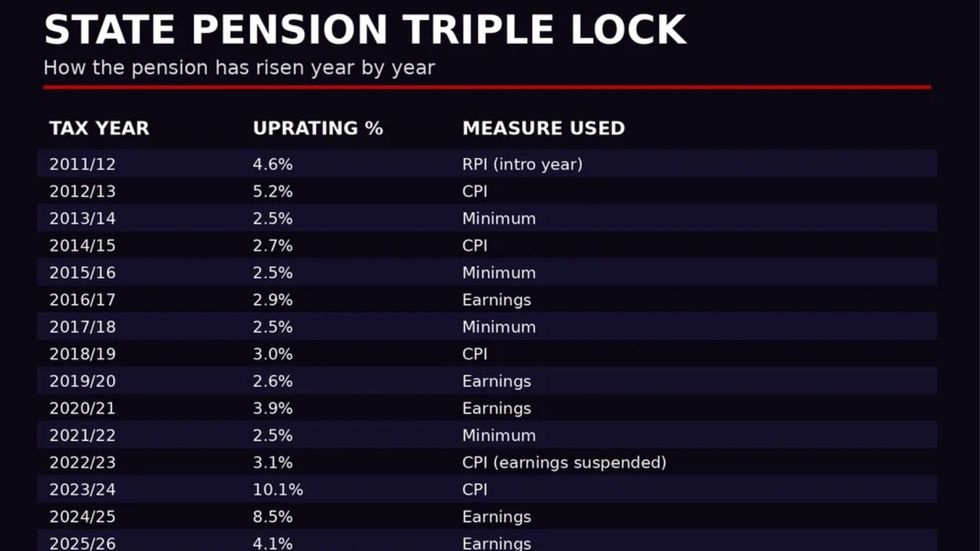 How the state pension triple lock has changed over the years | GB NEWS / FIDELITY INTERNATIONAL
 She said: "There are no guarantees any of us will make it to state pension age in robust health, and in nine out of ten areas of the UK, the average person doesn't. It raises the question of what you'd do if you needed to fill the gap."
Ms Coles advised workers to consider boosting their private pension contributions to build a larger pot capable of providing higher income during the early years of retirement.
The state pension age is set to increase to 67 by 2028, with further rises to 68 planned for 2046, though Coles suggested this timeline could be brought forward.
Polling from the Standard Life Centre for Retirement found that 36 per cent of those aged 60 to 65 who have not yet retired intend to continue working longer due to the pension age increase.
Health inequality is rising, according to alarming new research
| DEPARTMENT OF HEALTH AND SOCIAL CAREThe financial strain is already evident, with 13 per cent of 65-year-olds having gone without essentials in the past year, compared to just four per cent of those aged 67.
Those polled by Standard Life shared their concerns about the imminent hike to the state pension age, citing growing inequalities impacting people in their sixties.
One man, 64, from East of England said: "I can understand the need for it to rise, because we're all living a lot longer and it's got to be paid for somehow.
"And if everybody's taking the state pension and not contributing, there's not going to be enough money to go around. But it's just a bit unfortunate that it's happened with my generation."
A woman, 63, from London added: "It keeps increasing, and that's not fair. It's not fair… When they say ‘we are setting this date’, it wasn't that long ago. My mum retired at 60, and now it's risen… I just wish they wouldn't just [increase it] willy nilly…"