








Britons could face a growing gap between when their health declines and when they can access the state pension.
New data suggests many may need to work longer despite spending fewer years in good health.
Britons may have to wait longer than expected to claim their state pension as new data shows a decline in the nation’s healthy life expectancy.
Over the past decade, the number of years people can expect to live in good health has fallen by around two years to just under 61.
This raises concerns for those planning retirement. With the state pension age set to rise, the gap between when people’s health declines and when they can access their pension is growing, increasing the risk of a financial shortfall.
Analysis from The Health Foundation, using figures from the Office for National Statistics, shows the scale of the issue. In 90 per cent of UK areas, healthy life expectancy is now below the state pension age.
The data also highlights a clear divide. In the most deprived areas, men can expect 49.8 years of good health, while women average just 48.2 years.
By contrast, those in the least deprived areas enjoy far better prospects, with men reaching 69.2 years and women 68.5 years of healthy life expectancy.
The Government has already committed to raising the state pension age to 67 by 2028, with a further increase to 68 scheduled for 2046. However, there remains a strong possibility that the timeline for reaching 68 could be brought forward.
Sarah Coles, head of personal finance at AJ Bell, warned that the situation is likely to deteriorate further.
Ms Coles said: "The problem is likely to get worse. Healthy life expectancy has fallen by two years in a decade, so if the trend continues, more people will face a shortfall.
"At the same time, the state pension is rising. There are already plans in place to increase the state pension age to 67 by 2028 and 68 by 2046, but there’s every chance the path to 68 will be accelerated at some stage.
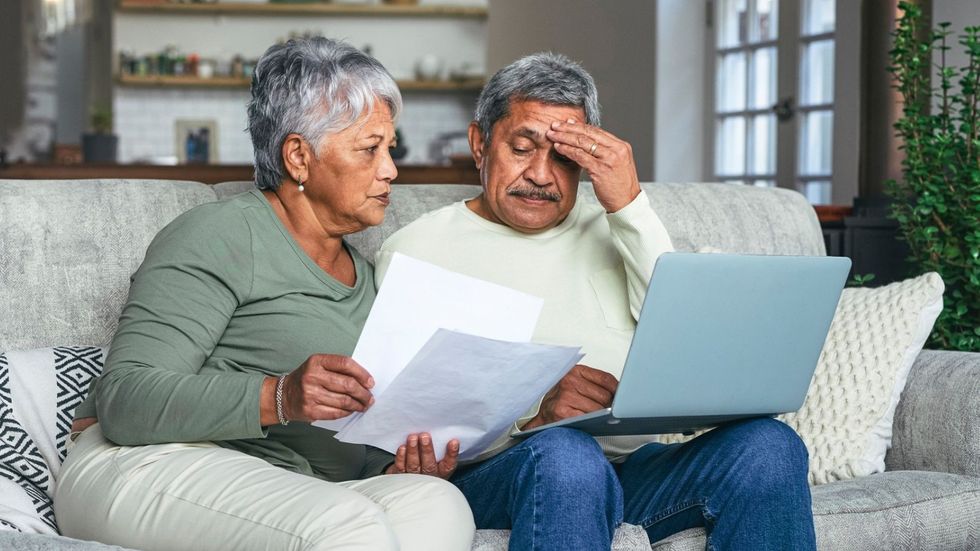
There remains a strong possibility that the timeline for reaching 68 could be brought forward
| GETTY"When you’re planning an income after finishing work, there’s every chance you’re factoring the state pension into the figures. It means it’s important to consider how you would cover any period before it was due."
For those looking to bridge this potential gap, Ms Coles highlighted the importance of reviewing private pension arrangements. Workers can access their private pension from age 55, though this threshold will rise to 57 in the future.
Ms Coles said: "For many people, the answer lies in revisiting pension contributions, aiming to build a pot that's big enough for you to take a higher income in the earlier years."
She emphasised that starting this planning process sooner rather than later gives people more time to address any shortfalls in their retirement strategy.

For those approaching retirement age, she stressed it is never too late to take action
| GETTYMs Coles said: "The earlier you start planning for this, the longer you have to fill any potential holes in your plans.
"You may also want to look into income protection insurance, which can pay out a specific sum if you have to stop work for health reasons.
"Think carefully about how long you would need it to pay out, when it would need to kick in, and how much income you need to cover.
"You also need to consider whether you want to be covered if you can’t continue in your current job, or whether you’d want it only to pay if you couldn’t work at all. Income protection insurance isn’t cheap, but it can be incredibly valuable."

Options include increasing pension contributions, considering downsizing property, or using other assets to generate income until the state pension becomes available
| GETTYFor those approaching retirement age, she stressed it is never too late to take action.
Options include increasing pension contributions, considering downsizing property, or using other assets to generate income until the state pension becomes available.
Ms Coles concluded: "If you're closer to retirement, it’s never too late to make a difference, so it’s worth looking at what you can afford to put into your pension.
"It's also a good idea to have a Plan B just in case: whether you need to consider downsizing or using other assets to produce an income until you reach state pension age. It might also mean building a bigger emergency savings safety net to cover any additional costs."