










Sainsbury's has been accused of "prioritising Net Zero over animal welfare" days after the supermarket giant came under fire over its decision to scrap brown eggs.
Animal welfare campaigners have taken aim at Sainsbury's of putting its environmental ambitions ahead of animal wellbeing, following the retailer's decision to eliminate brown eggs from its own-brand products.
The supermarket announced on Wednesday that it would transition exclusively to white-shelled eggs, arguing that hens producing them have a smaller carbon footprint, helping the company meet its net zero commitments.
Lindsay Duncan of World Animal Protection UK described the move as "a step backwards for animal welfare".
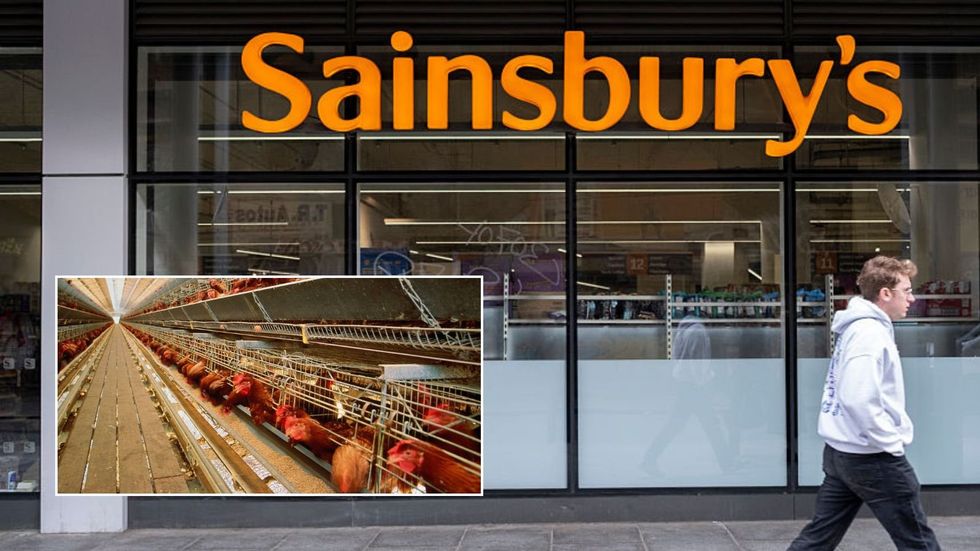
Sainsbury's is under fire once again
|GETTY
She criticised the retailer for promoting its green credentials whilst continuing to source what she called "low-welfare, fast-growing chicken breeds for meat".
Ms Duncan explained: "Sainsbury's is prioritising net zero over animal welfare, but this approach is misinformed."
The charity demanded the supermarket concentrate on enhancing conditions throughout its supplier network rather than pursuing climate targets.
This criticism stems from Sainsbury's refusal to sign the Better Chicken Commitment, a framework requiring retailers to switch to slower-growing poultry breeds with improved welfare standards.
 The price of eggs have dropped recently | GETTY
LATEST DEVELOPMENTS
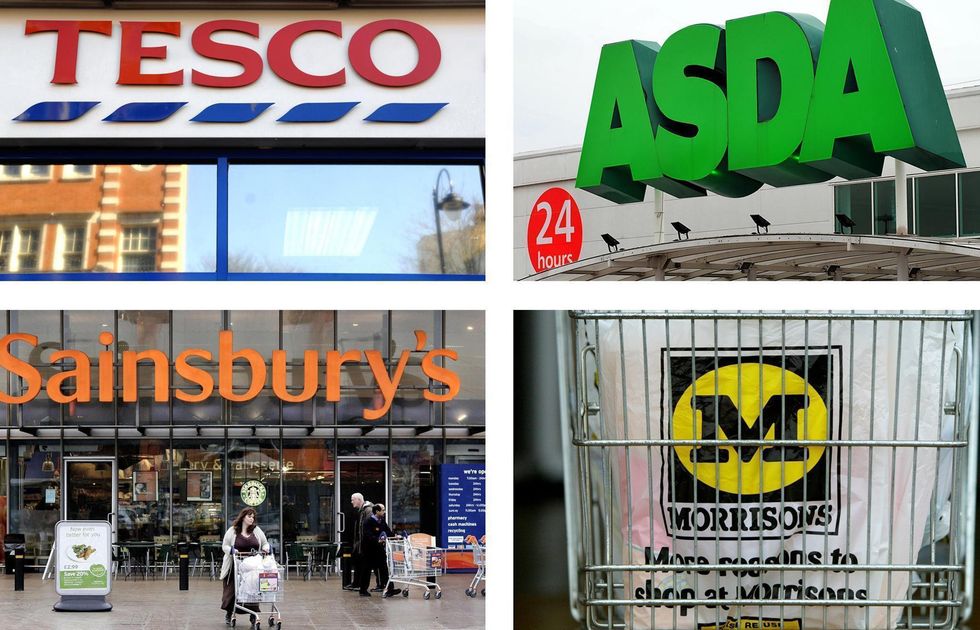 Is your supermarket making similar changes? | gbnews
Campaign groups argue that by declining to adopt these standards, supermarkets continue supporting the production of so-called "Frankenchickens".
This is the term given to birds engineered for rapid growth that frequently experience lameness, restricted mobility and elevated death rates.
Hannah Yates of the Humane League explained that these fast-growing birds "often become so top-heavy due to their speed of growth that their legs cannot properly support their weight and they are forced to lie in their own waste, burning their skin".
The Better Chicken Commitment aims to address this suffering by requiring a transition to healthier breeds that grow at a more natural pace.
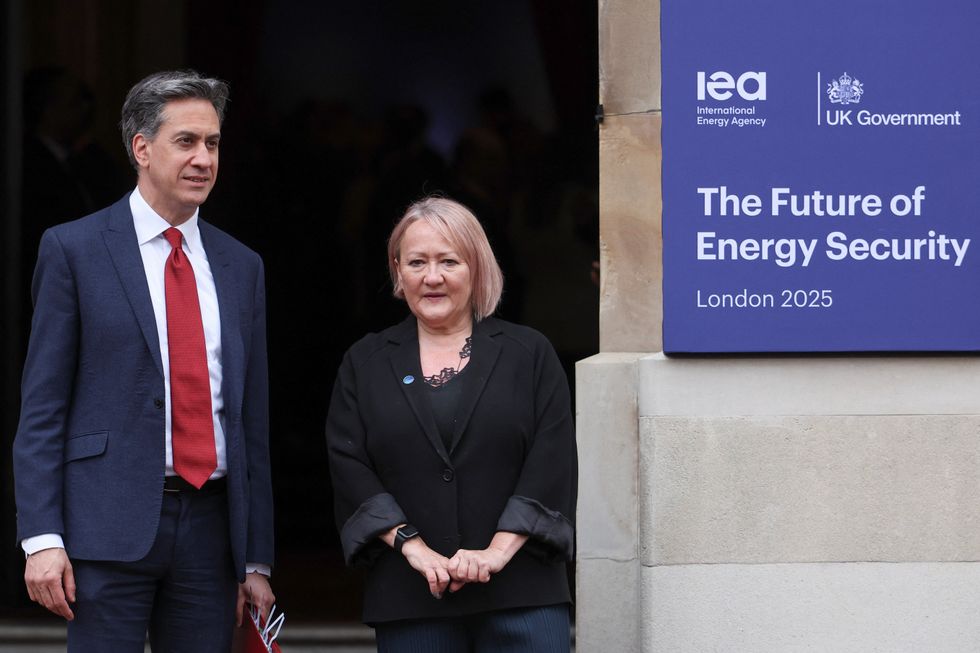 Energy Security and Net Zero Secretary Ed Miliband and Under-Secretary for Climate, Kerry McCarthy at Lancaster House | PA
The egg switch represents the latest in a series of supply chain alterations Sainsbury's has implemented to achieve its climate goals.
In 2023, the retailer began slaughtering beef cattle approximately 20 per cent earlier than standard industry practice, claiming that better feed and living conditions allowed animals to reach their "optimal point for consumption" sooner while generating fewer emissions.
However, the Government's animal welfare committee has cautioned that prioritising environmental metrics risks neglecting harm to livestock, warning that "selection for fast growth rate has resulted in birds with serious welfare problems."
Research from the Swedish University of Agricultural Sciences supports these concerns, finding that slower-growing chickens demonstrated "significantly better leg health and mobility" alongside reduced lameness and mortality compared with faster-growing breeds.