










Fears over an artificial intelligence (AI) stock market bubble continue to grow as the stock market experienced its worst day of the year.
Wall Street suffered its most severe losses in months on Friday as investors fled risk assets following unexpectedly robust US employment figures.
The S&P 500 tumbled 2.64 per cent, marking its steepest single-day decline since October and ending a nine-week winning streak.
Technology shares bore the brunt of the selling pressure, with the Nasdaq Composite plunging 4.18 per cent in its worst session since April 2025.
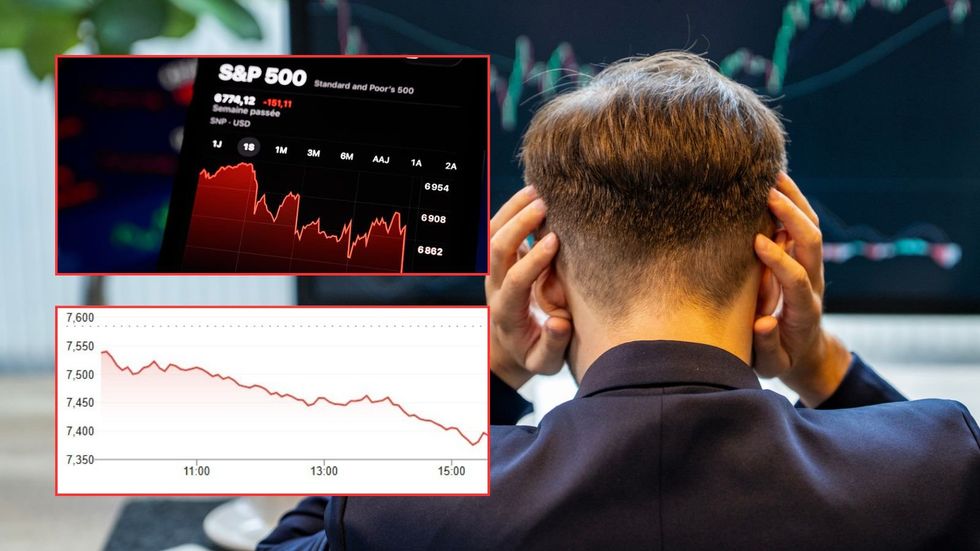
The stock market has plunged into the red
|GETTY
The Dow Jones Industrial Average shed 695 points, representing a 1.35 per cent fall, as investors reacted with volatility to the latest data.
Bureau of Labor Statistics (BLS) reported that American employers created 172,000 positions in May, significantly exceeding forecasts and intensifying concerns about persistent inflationary pressures.
According to CME FedWatch, traders now price in a 43 per cent probability of the central bank raising its benchmark lending rate in December, up sharply from 26 per cent just a month ago.
The employment gains arrive amid rising inflation linked to oil price increases stemming from the conflict with Iran.
Wall Street is in shock over the latest US unemployment figures
| PALATEST DEVELOPMENTS
 The 'Magnificent 7 stocks' —Apple, Microsoft, Amazon, Alphabet, Meta, Nvidia, and Tesla— are the primary drivers of the Nasdaq's value | GETTY
 James McCann, a senior economist for investment strategy at Edward Jones, said: "In the near term, the data confirms that Fed easing is off the table this year, and markets continue to worry that the next move could be a hike."
The risk-averse sentiment extended well beyond equities. Bitcoin slumped more than five per cent on Friday, breaching the $60,000 threshold to reach its lowest point since October 2024, having lost over 17 per cent across the week.
Gold prices retreated by more than 3.5 per cent, wiping out the precious metal's gains for the year.
Rising interest rates diminish the appeal of non-yielding assets such as gold.
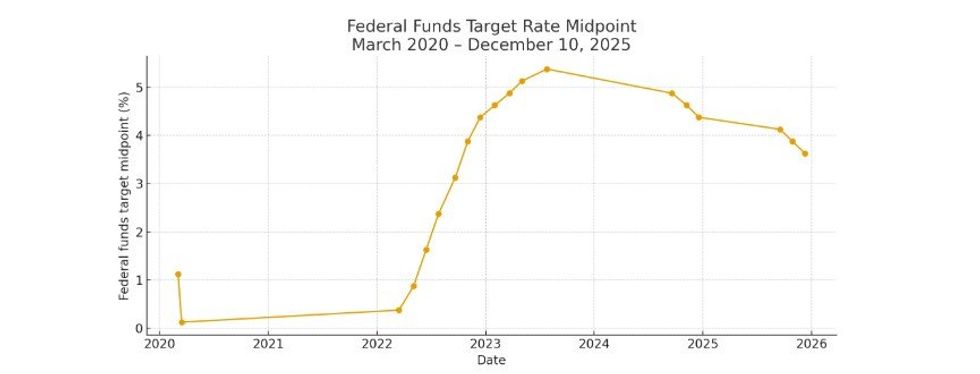 How has the Federal Funds Rate changed? | Federal Reserve / Chat GPT
 The yield on 10-year Treasury bonds climbed to 4.54 per cent, adding further pressure to equity valuations. Meanwhile, the VIX volatility index spiked 40 per cent to reach a two-month peak, reflecting heightened investor anxiety.
Concerningly, the company's stock fell 12.59 per cent on Thursday before dropping a further 7.92 per cent on Friday. A widely-followed exchange-traded fund tracking memory chip stocks collapsed 15 per cent as the artificial intelligence rally reversed course.
Ross Mayfield, an investment strategist, added: "A parabolic move like most of these stocks have been experiencing is not sustainable under perpetuity.
"You're pricing in basically perfection, and I think the Broadcom results, and kind of underwhelming guidance, are an example of that."
Meta shares declined 5.5 per cent following reports that zthe company plans to raise equity capital for its AI investments.