







Major Hollywood studios alongside streaming giants Netflix, Disney and Amazon have delivered a clear message to the UK government: they will not participate in collecting the BBC licence fee.
The Motion Picture Association, which represents the major US studios, submitted written evidence to MPs on the Culture, Media and Sport Committee making their position unambiguous.
The trade body's submission, obtained by Cord Busters, leaves no doubt that these entertainment companies refuse to be drawn into supporting the licence fee system.
Their opposition comes as Parliament gathers evidence on the future shape of the BBC ahead of crucial funding negotiations.
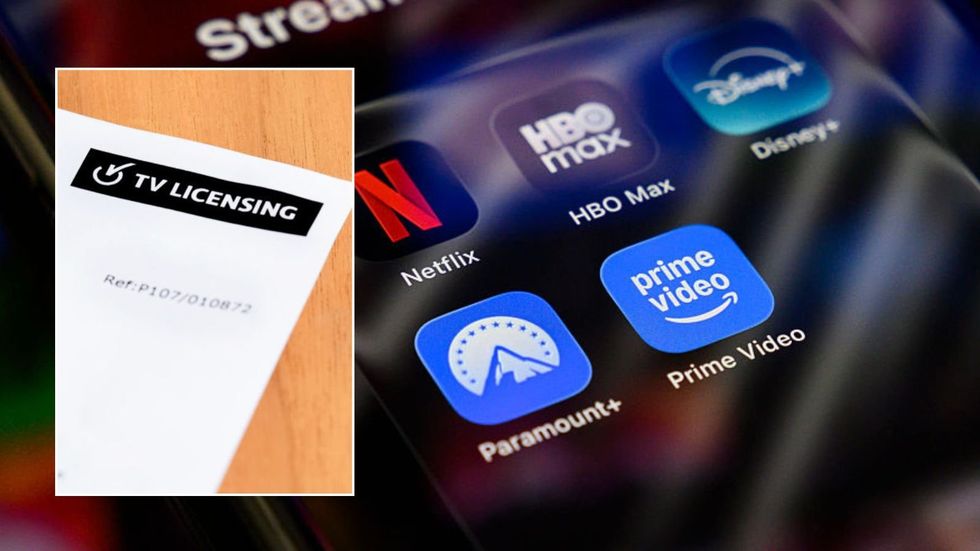
Streaming services have a message for the Government regarding the TV licence feee
|GETTY
In the trade association's evidence submitted to the Government’s Charter Review, the organisation asserted it would "caution against any suggestion that third parties such as broadcasters’ VOD services and streaming providers play a role in the collection and enforcement of the licence fee".
Compounding this problem, some 3.6 million households have legally declared themselves exempt from payment by switching exclusively to streaming services.
Under current rules, viewers who only watch on-demand content from platforms such as Netflix, Prime Video or HBO Max have no legal obligation to purchase a licence, which presently costs £180 annually.
Combined, these factors mean the BBC is losing more than £1.1billion each year, representing over a quarter of its total licence fee revenue.
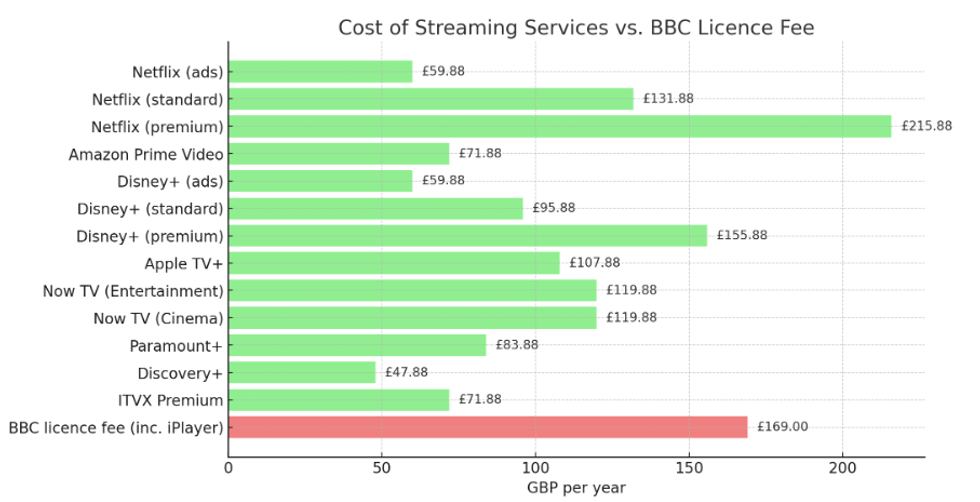 Cost of streaming services vs. BBC licence fee | GBN
LATEST DEVELOPMENTS
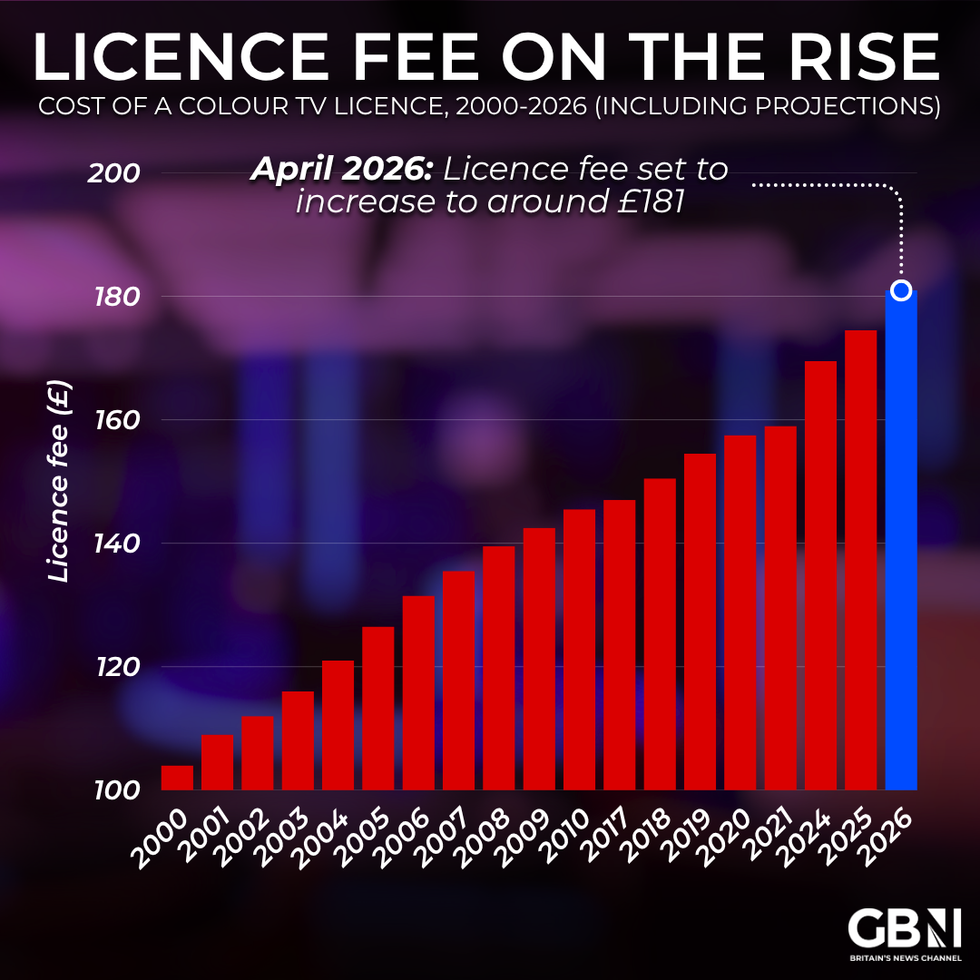 Licence fee on the rise: How much does the TV licence cost? | GB NEWS
The studios have specifically rejected several enforcement mechanisms that the BBC has proposed to close the streaming loophole. These include requiring platforms like Netflix and Disney+ to hand over subscriber data to TV Licensing authorities.
Another suggestion involves streaming services displaying pop-up warnings to remind users of their licence fee obligations.
Perhaps most controversially, the BBC has floated the idea of blocking viewers from accessing content until they confirm they have paid the fee.
The Motion Picture Association's evidence makes clear that its members have no intention of implementing any of these measures on behalf of the British broadcaster.
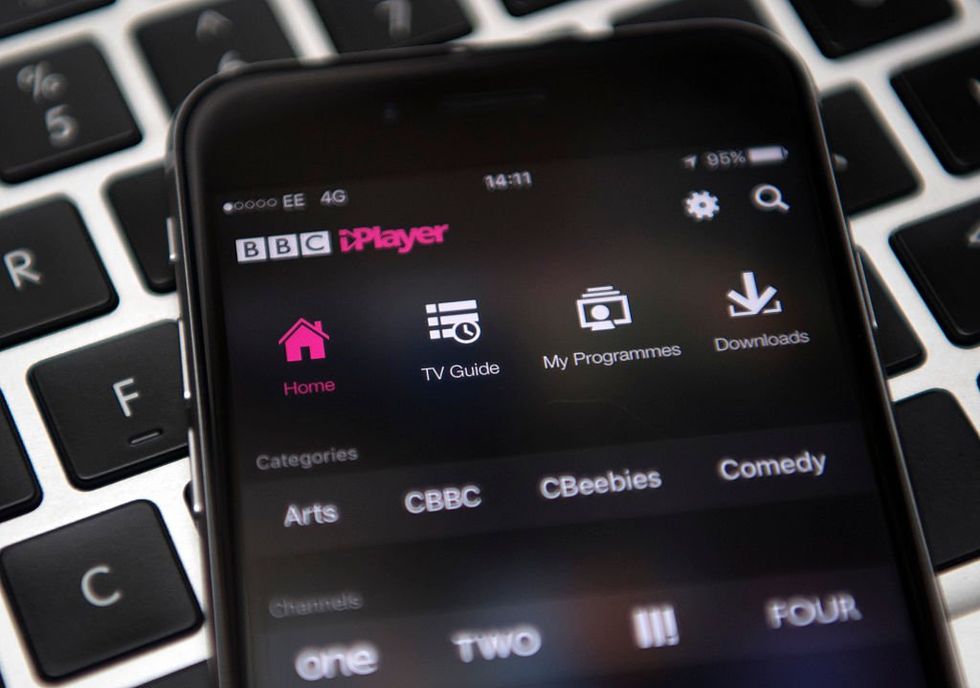 The TV licence fee will now cost £180 per year | GETTY
This debate unfolds against the backdrop of the BBC's Royal Charter renegotiation, with the current agreement set to expire at the close of 2027.
The Charter serves as the foundational document establishing the corporation's purpose, operations and funding arrangements, and is typically reviewed by Government every decade or so.
Reports suggest ministers are warming to the BBC's preferred solution: expanding the licensing requirements to capture streaming-only households, potentially offset by reducing the amount each home must pay.
It is understood the aim would be to widen the pool of contributors rather than watching the paying audience continue to shrink.