







Campaigners are calling on the Government and energy regulator to immediately suspend forced prepayment meter installations, following fresh concern over how court warrants are being approved.
The End Fuel Poverty Coalition said new evidence suggests magistrates are authorising warrants during closed court sessions, often without scrutinising the underlying applications.
The coalition, which represents more than 100 charities, campaign groups and local authorities, has written to energy consumers minister Martin McCluskey, courts minister Sarah Sackman and Ofgem chief executive Jonathan Brearley calling for urgent action.
In its letter, sent on December 31, the coalition said forced installations should be paused while concerns over court processes are investigated.
TRENDING
Stories
Videos
Your Say
Campaigners said the correspondence has so far received no response from ministers.
The issue centres on the use of magistrates’ court warrants to allow energy companies to force entry into homes to install prepayment meters.
Concerns were reignited after reports that such warrants are now being approved during private hearings, frequently without a detailed examination of individual cases.
Chief Magistrate Paul Goldspring has since launched an inquiry into the handling of these applications.
The investigation follows reporting by the London Standard, which raised questions about whether courts are properly applying safeguards.
The controversy surrounding forced prepayment meters first emerged in late 2022.
At that time, reports revealed that debt collection agents were entering properties to install meters, including in households containing vulnerable residents.
The revelations prompted widespread public criticism amid the cost-of-living crisis.
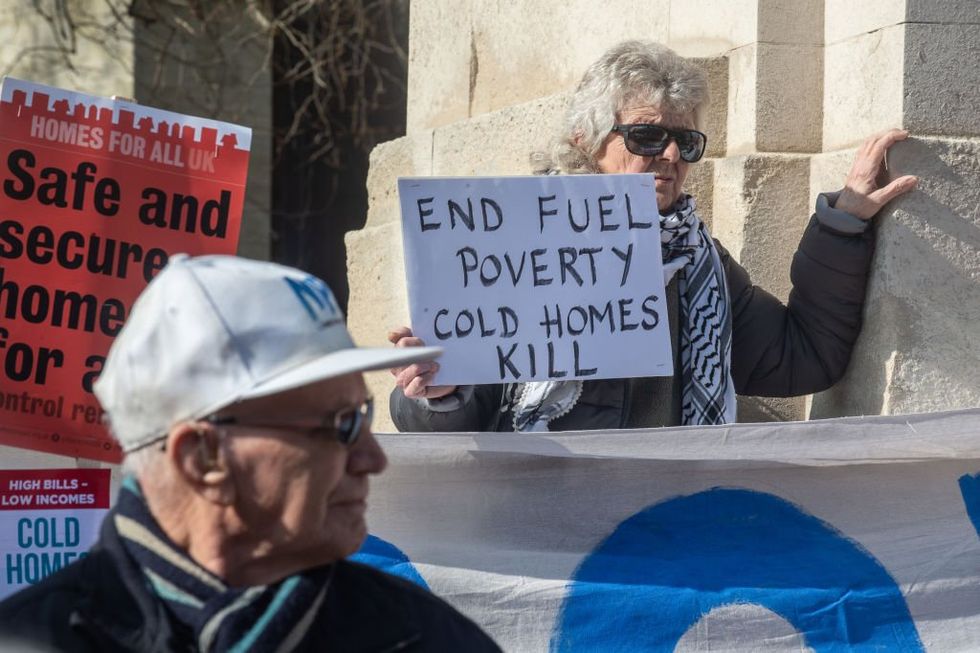
Concerns raised over warrants approved in closed court sessions
|GETTY
Subsequent investigations found that magistrates in England and Wales had been approving large volumes of warrants in bulk.
In many cases, the courts were found not to have properly checked whether households had been given adequate notice of potential forced entry.
Following the public backlash, energy suppliers agreed to pause warrant applications in early 2023.
The Government also committed to reforming the process used to approve forced installations.
The End Fuel Poverty Coalition is also urging Ofgem to conclude its investigation into British Gas.
The regulator launched the probe following the original scandal to examine whether the supplier breached licence conditions.
In April 2024, the Chief Magistrate approved a revised warrant application process.
The updated framework was intended to address earlier failures and strengthen protections for households.
LATEST DEVELOPMENTS
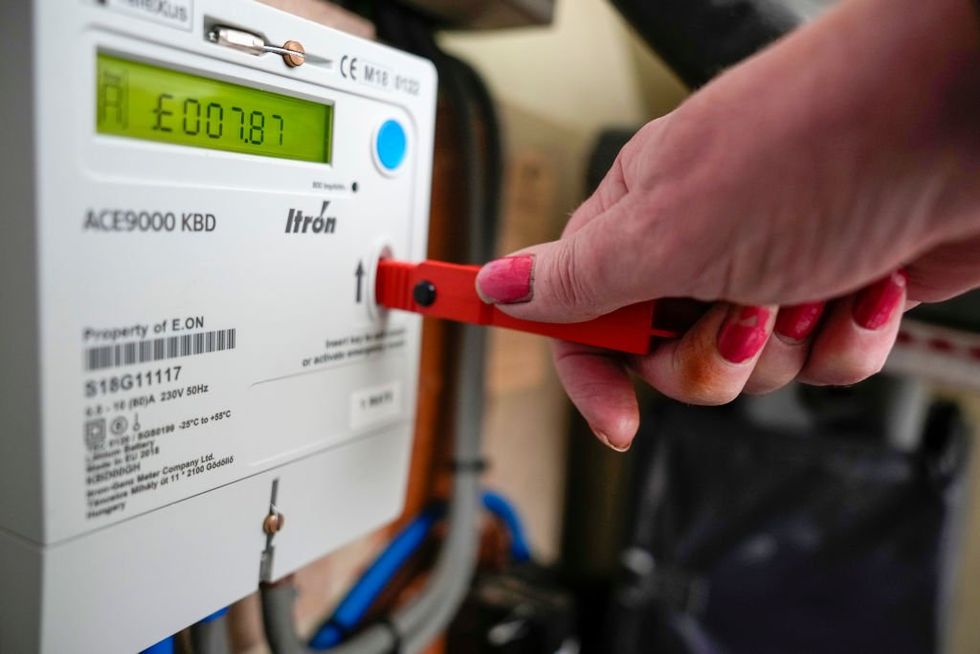
Applications can only proceed if at least one month has passed since the last unpaid bill
|GETTY
Under the new rules, energy companies must give at least 10 days’ notice before applying for a warrant.
Suppliers must also attempt to contact the customer on at least 10 separate occasions.
Applications can only proceed if at least one month has passed since the last unpaid bill.
Uncontested applications may now be considered during private hearings.
In these hearings, representatives from utility companies must swear under oath that the information submitted is accurate.
Magistrates reviewing batches of 100 or more applications are instructed to randomly select 10 cases for closer inspection.
The Magistrates’ Association has said that if any of the examined cases fail to meet legal requirements, the entire batch should be rejected.
However, campaigners say evidence suggests these safeguards are not being applied consistently.
At a hearing at Uxbridge Magistrates’ Court in November 2024, two of the 10 randomly selected cases were withdrawn.
The applications were withdrawn after it emerged they did not meet the standards set by the Chief Magistrate.
Despite this, the magistrate approved the full batch of more than 100 warrants.
Approval was granted after two replacement applications were examined, without further checks on the remaining cases.
Campaigners said no assessment was made as to whether similar issues affected the rest of the batch.
Further concerns have been raised about the information available to courts during hearings.
Magistrates do not receive full copies of warrant applications.
Instead, they are provided with names, addresses and standardised justification wording.
During the Uxbridge hearing, the magistrate was reportedly unable to identify which energy supplier was owed money in each case.
The court relied on verbal explanations from a representative of a debt collection agency.
The Ministry of Justice has declined to release written records from private hearings.
It has cited security concerns and described the information as highly sensitive.
However, following a 10-month legal challenge, a district judge ruled that courts could release limited details.

An Ofgem spokesperson said protecting consumers remains the regulator’s top priority
| GETTYThis includes the names, addresses and debt amounts associated with warrant applications.
Simon Francis, co-ordinator of the End Fuel Poverty Coalition, said the situation remained deeply concerning.
Mr Francis said: "It is extraordinary that more than three years after this scandal first broke, families are still being dragged through secret court processes that even now appear to lack basic safeguards."
He added: "The only responsible response is to pause forced prepayment meters immediately, until that investigation is complete and the system is shown to be lawful, transparent and safe."
A judicial spokesperson confirmed that the Chief Magistrate is examining the issues raised.
The spokesperson said: "The Chief Magistrate is investigating concerns raised, and we will respond fully in due course."
The spokesperson added that strict conditions apply when energy suppliers seek to install prepayment meters without customer consent.
More From GB News