






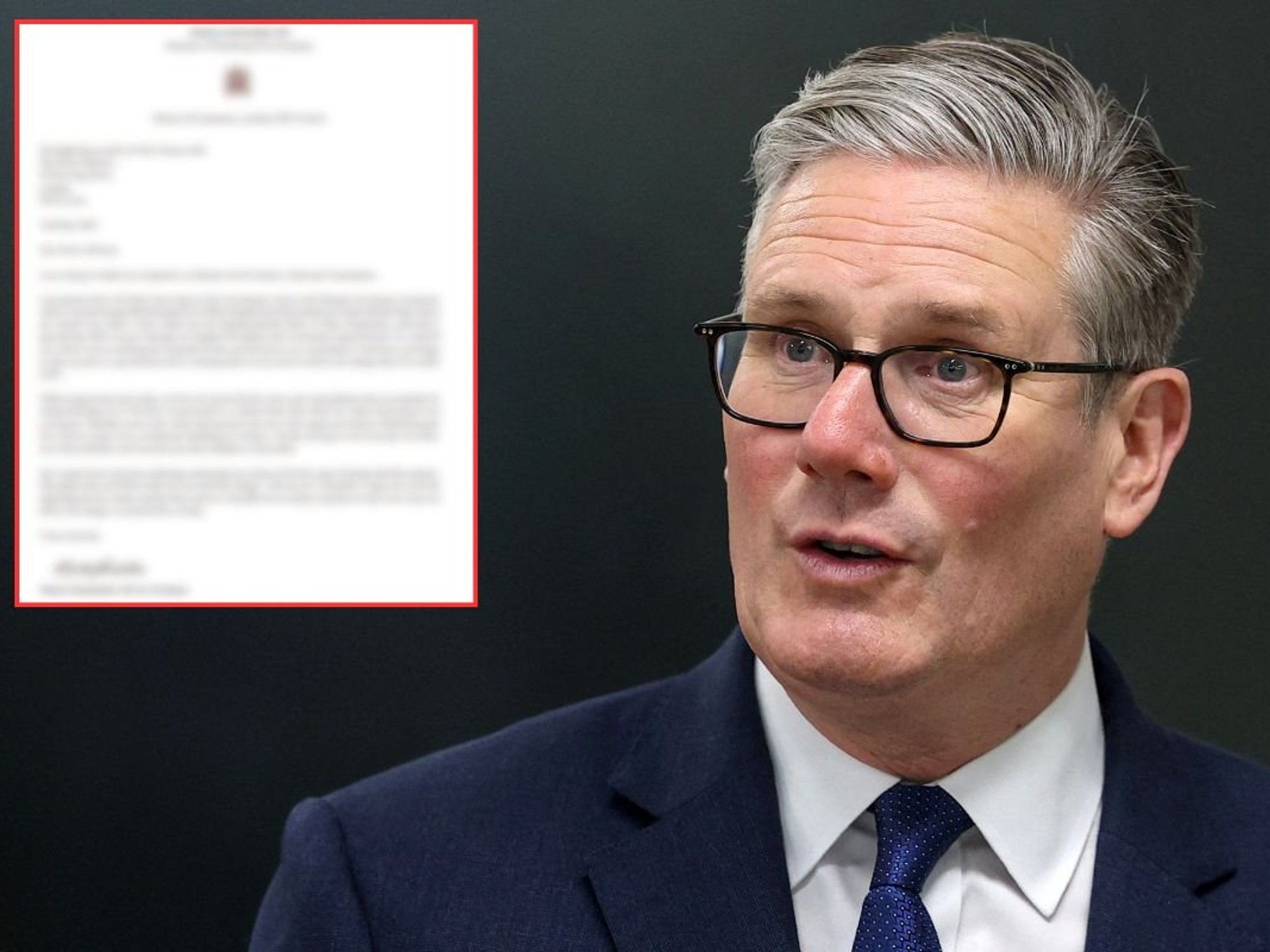



Labour has blocked Chinese wind turbine manufacturer Ming Yang from participating in British offshore wind developments, citing national security concerns in a decision announced on Wednesday.
The ruling effectively scuppers the Zhongshan-based company's plans for what would have been Britain's largest turbine factory at Ardesier in the Scottish Highlands.
A proposed £1.5billion facility near Inverness had been expected to create some 1,500 jobs in the region.
Ministers confirmed that Ming Yang's turbines would not be permitted in UK offshore wind projects following scrutiny over potential espionage risks.
TRENDING
Stories
Videos
Your Say
The decision marks a key moment in Britain's balancing act between expanding green energy capacity and protecting national interests.
A Government spokesman said: "After careful consideration, the Government's view is that we cannot support the use of these turbines in UK offshore wind projects.
"We will always act to protect our national security, and we are committed to strengthening and prioritising resilient and sustainable offshore wind supply chains."
Officials sought to avoid escalating tensions with Beijing following the announcement.
The spokesman added: "We welcome investment from China where it is in our national interest as demonstrated by significant inward investment during the Prime Minister's recent visit to Beijing."
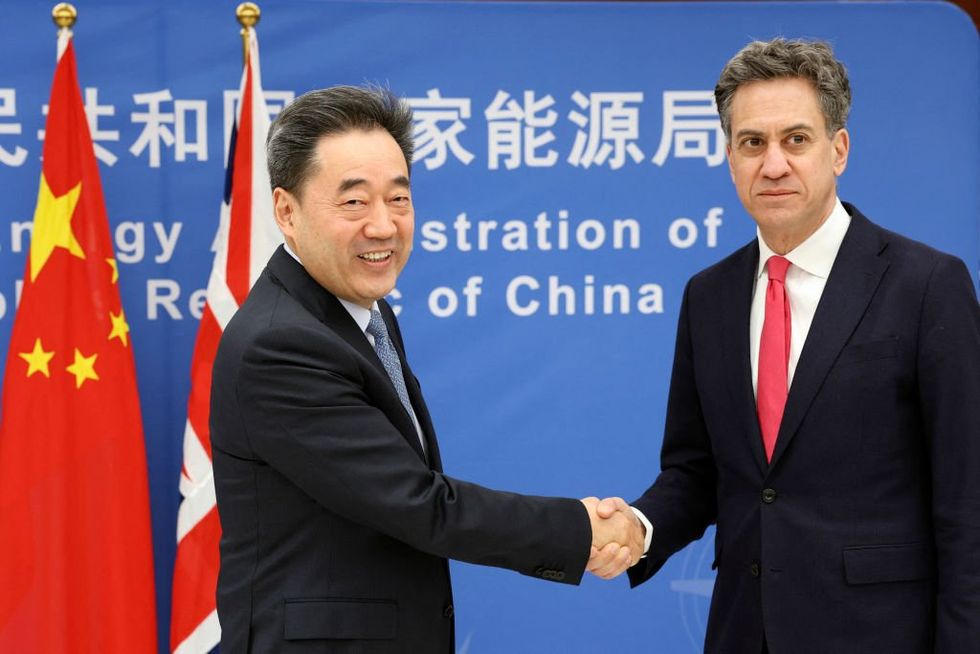
Energy Secretary Ed Miliband on a recent trip to China
|GETTY
Labour pledged to maintain a "consistent, long-term and strategic approach" to relations with China, cooperating where possible while protecting British security and resilience.
Ming Yang had unveiled its Scottish factory plans in October, with the intention of manufacturing turbine blades for both the UK and European markets.
The proposal drew criticism from international political figures following its announcement.
John Moolenaar, a Republican congressman and Donald Trump ally who chairs the House select committee on the Chinese Communist Party, said last year: "Permitting this project would defy common sense."
He said: "China is a foreign adversary that has spied on Parliament, interfered in elections in Britain and the Commonwealth and fuelled Russia's war on Ukraine."
LATEST DEVELOPMENTS
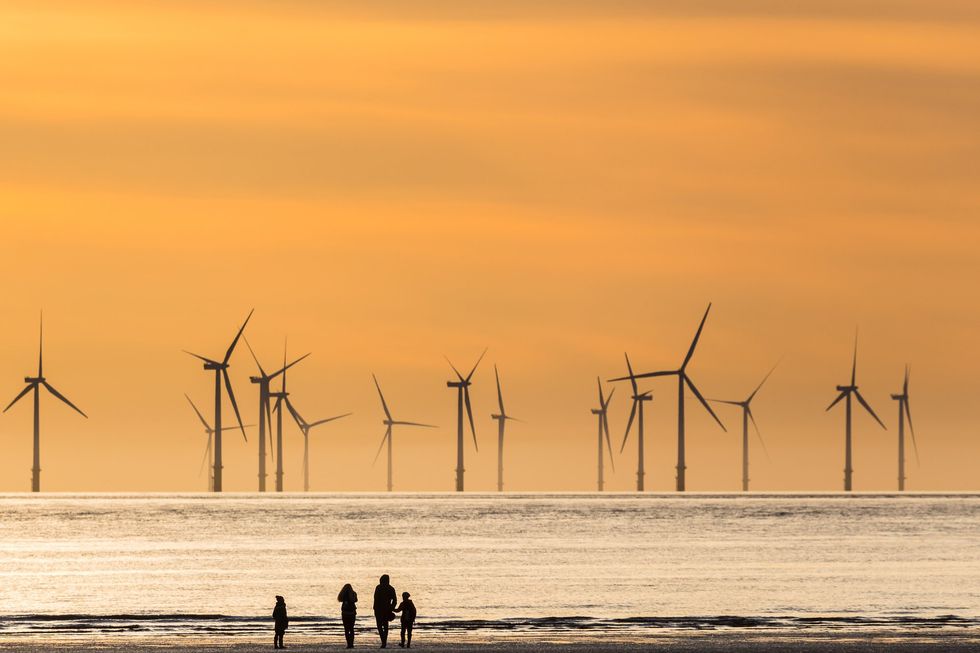
A Ming Yang spokesman expressed disappointment at the decision
|GETTY
Mr Moolenaar warned that Chinese firms benefit from state subsidies to advance Beijing's economic objectives, adding that approval would create "greater dependency and vulnerability in the UK's energy supply chain."
The Ministry of Defence raised concerns about Chinese-built wind farms operating in British waters, including the potential for turbines to be used as surveillance platforms.
Defence officials also highlighted concerns that the company's expansion could enable Chinese engineers to make regular visits to the United Kingdom.
These concerns were heightened by the proximity of offshore wind installations to critical undersea cables and communications infrastructure.
Beijing rejected the allegations, describing them as groundless and discriminatory.
Chinese officials warned that future investment in Britain could be affected if the project was blocked.
The Chinese Government had previously indicated concern about the scrutiny surrounding the proposal, viewing it as part of a wider pattern affecting Chinese commercial interests.
A Ming Yang spokesman said: "We are disappointed by the UK Government's decision not to allow Ming Yang's world-leading technology to be used."
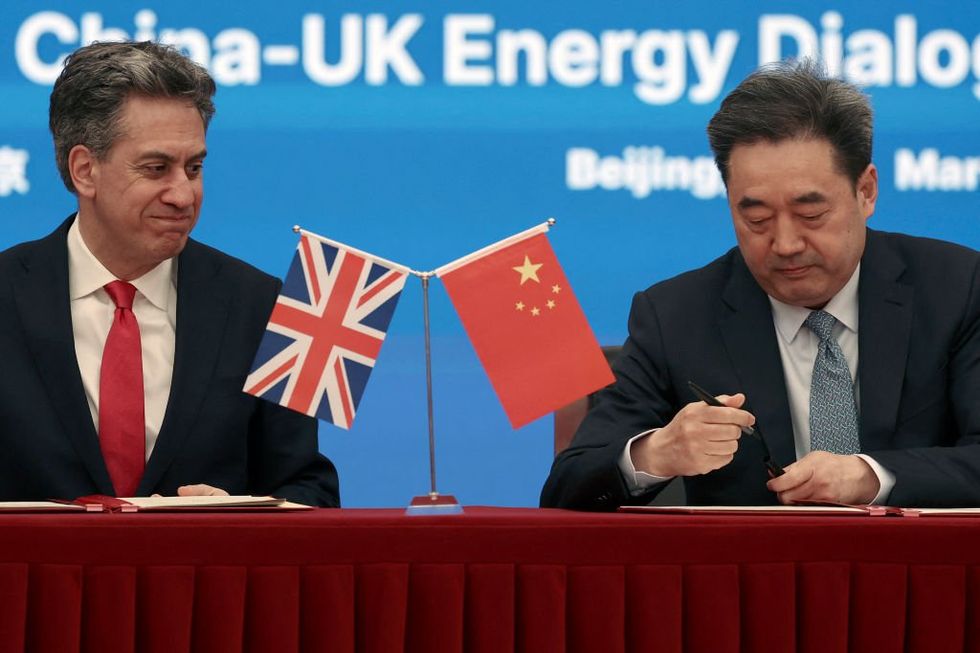
Labour blocks Chinese wind giant Ming Yang over security fears
|GETTY
They added that the decision represented "a significant opportunity to increase competition in the capacity-constrained wind turbine market."
Ming Yang, which is listed on the Shanghai Stock Exchange, said it would continue engaging with British officials on security matters and remained committed to supporting the UK's clean energy ambitions.
The decision represents a setback for Energy Secretary Ed Miliband, who has promoted the construction of new wind turbines as part of the Government’s net zero strategy.
His department had reportedly viewed the Scottish facility as important to achieving a decarbonised energy grid by 2030.