








Polling from Britain's leading trade association of offshore energy shows the ongoing conflict in the Middle East convinced three-quarters of respondents of the need for homegrown oil and gas.
Offshore Energies UK (OEUK), which represents 400 agencies across oil, gas, wind and carbon capture, identified a shift in strengthening resolve over developing the UK's reserves in the North Sea to strengthen national security and manage the over-reliance on energy imports.
The body polled 2,000 people about their attitudes to long-term projects in the North Sea, with 76 per cent convinced by recent events in Iran and the Strait of Hormuz, supporting a plan to “continue producing oil and gas at home rather than relying more on imports".
A similar number (74 per cent) agreed the UK should “produce as much of its own oil and gas as possible rather than rely on imports".
TRENDING
Stories
Videos
Your Say
The extremities of polling detail 26 per cent standing by a strict focus on renewables, while 13 per cent want to ditch renewables entirely and focus on oil and gas.
Two in five Brits are looking to split the difference, with 40 per cent seeing the best path towards UK energy security being a balanced mix of oil, gas and renewables.
After combining the 2,000 responses, the trade body concludes public opinion is focused on a “pragmatic plan” of security and stability “not polarisation".
David Whitehouse, CEO of OEUK, said the poll clearly shows Britain “needs homegrown energy”.
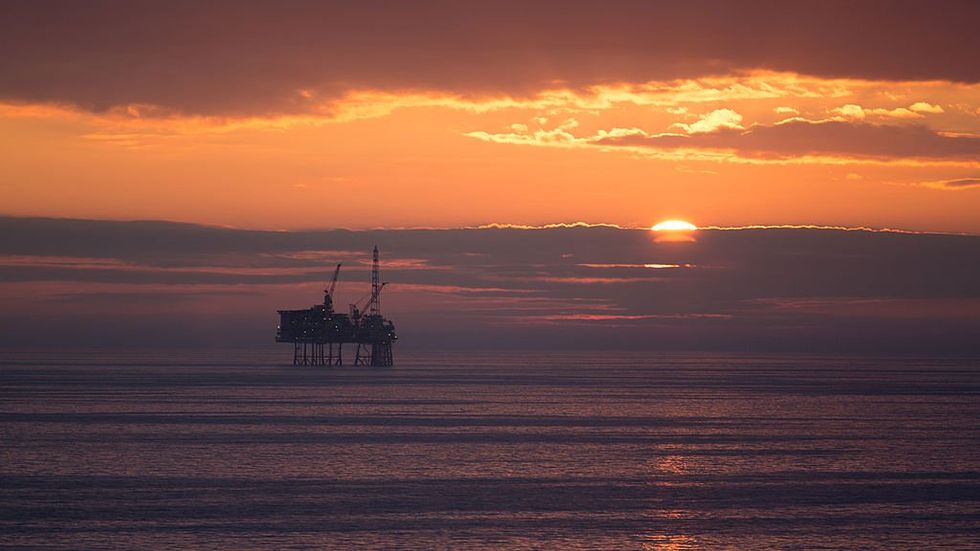
OEUK said the poll clearly shows Britain 'needs homegrown energy'
|GETTY
Responding to the statistics, he said: “The public are clear: the UK needs homegrown energy and a balanced transition that strengthens our national security.”
He pointed out the growing desire for a balanced approach to renewables and oil and gas, “working side by side,” rather than short-term politics leading energy policy to focus on one over the other.
He continued: “A rules‑based approach to taxation is part of that stability. It ensures the public receives a fair share in times of genuine windfalls while giving companies the certainty needed to keep investing in UK energy, UK jobs and the UK’s transition.”
Simon Francis, coordinator of the End Fuel Poverty Coalition, insisted Prime Minister Sir Keir Starmer must consider pulling “every lever available” to alleviate the energy price shock expected to come from disruption on the Strait of Hormuz.
LATEST DEVELOPMENTS
- Reform UK to scrap Net Zero as United Nations warns 'fossil fuel addiction risks global security'
- Conservatives blast Ed Miliband’s ‘cult-like fanaticism’ over Net Zero as it ‘makes Britain weaker and poorer’
- Every new home will be fitted with solar panels and a heat pump as part of clean energy drive
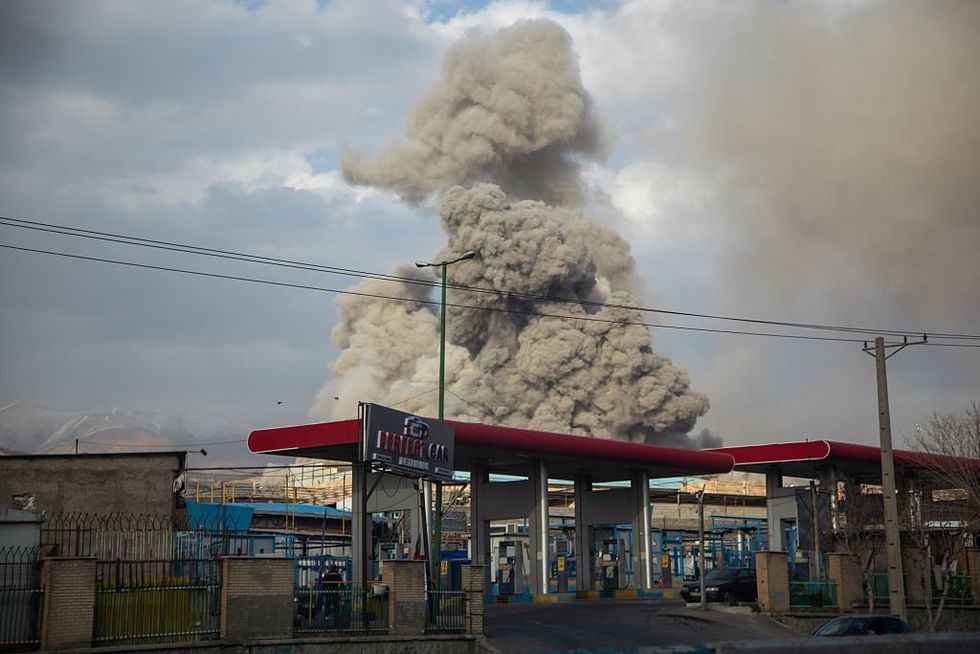
The Iran war has caused major disruption across the globe
| GETTYHe said: “Every lever available includes the levers that take money from those profiting from this crisis and put it into the pockets of those suffering because of it.
“The government should come out of the Cobra meeting with a clear commitment to targeted support for the households most at risk.
The future of North Sea oil and gas is fast becoming a focal point of May elections, with the ongoing Iran conflict threatening rising energy bills and wind farms racking up significant constraint fees to keep turbines switched off.
Scottish leader of Reform UK, Malcolm Offord, said voters could rely on his party to “supercharge the energy industry” and protect jobs.
He said: “This poll confirms what people across Scotland already know, we should be using our own resources, not importing expensive energy from abroad.
“Stopping new drilling is self-sabotage. The public gets it, now Keir Starmer and John Swinney need to catch up.”
North Sea oil and gas supports 200,000 jobs in the UK, half of which are based in Scotland.
More than 70,000 jobs have been lost in the last decade, as the country moved towards renewable energy and Net Zero targets.
Our Standards: The GB News Editorial Charter