





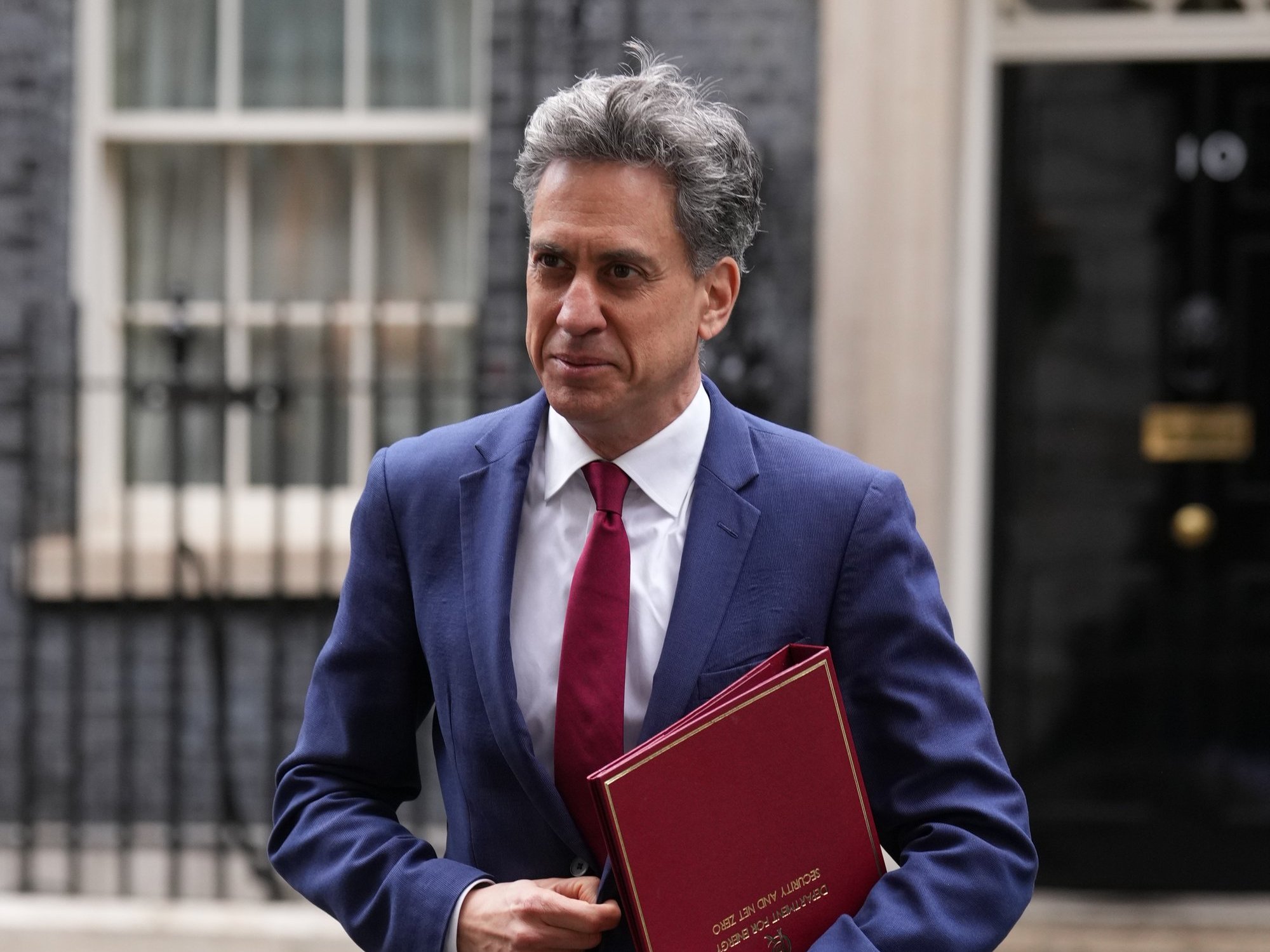




The head of Marks & Spencer (M&S) has launched a fierce attack on Chancellor Rachel Reeves's rumoured supermarket price cap scheme.
Stuart Machin branded the plans "completely preposterous" as senior retail figures warned the measures could damage competition across the grocery sector.
He said ministers should avoid trying to run businesses and instead focus on reducing pressure on retailers already struggling with rising costs and tight margins.
The M&S chief executive revealed the retailer already loses money on staple products including bread and bananas, while milk prices have remained unchanged for several years despite mounting cost pressures.
"Food retailers are taking a big responsibility to try and minimise passing through prices," Mr Machin said.
He added: "So my advice to Government is to reduce some of the tax and regulatory burdens and free us up in a very competitive market".
Mr Machin also confirmed no Treasury officials had contacted him directly regarding the proposed scheme.
The criticism came as Lord Rose of Monewden, the former chairman of both Asda and M&S, delivered an equally damning assessment of the Chancellor's plans during an appearance on BBC Radio 4's Today programme.
"I think the whole idea is stuff and nonsense and it will never fly," Lord Rose said.
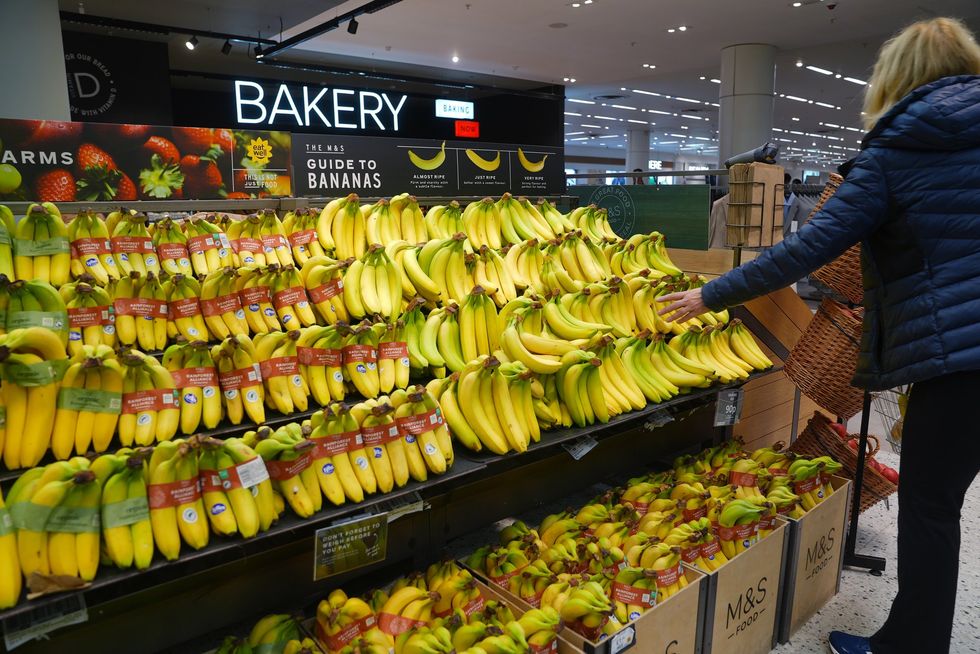
M&S chief Stuart Machin attacks Rachel Reeves supermarket price cap plans as 'preposterous'
|PA
He added: "This smacks of state control, it's idiotic, it's dangerous and it will never work".
Lord Rose compared the proposals to the interventionist economic policies pursued during the 1970s under former prime ministers Edward Heath and Harold Wilson.
"Fundamentally these things don't work," he argued.
"We have no better system than a free market economy. A free market economy does work".
LATEST DEVELOPMENTS
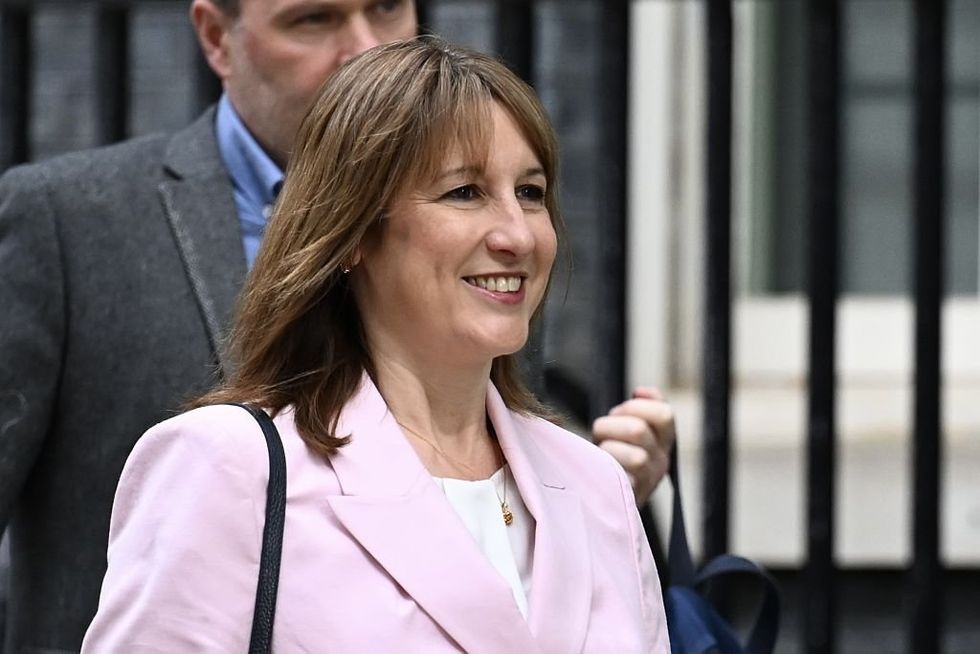
Ms Reeves is aiming o contain inflationary pressures linked to the Iran conflictx
|GETTY
The veteran retailer also warned the policy would ultimately "backfire" and prove "impossible to police" if introduced.
Helen Dickinson, chief executive of the British Retail Consortium (BRC), joined the growing backlash against the Chancellor's proposals and accused ministers of misunderstanding how the supermarket industry operates.
Ms Dickinson argued that forcing retailers to sell products at a loss would undermine the highly competitive grocery market that has helped keep prices relatively low for consumers.
"The UK has the most affordable grocery prices in Western Europe thanks to the fierce competition between supermarkets," Ms Dickinson said.
She described the plans as a return to "1970s-style price controls" and urged ministers to focus instead on the underlying drivers behind rising food prices.
Ms Dickinson said the biggest pressures facing retailers stem from soaring energy and commodity costs linked to the conflict in the Middle East, alongside the growing expense of domestic Labour policies.
Under the Chancellor's proposal, supermarkets would be offered exemptions from certain regulations in exchange for freezing prices on around 20 essential food items, including bread, milk and eggs.
Potential incentives under discussion reportedly include relief from net-zero packaging levies and delays to anti-obesity measures which retailers argue could increase operating costs.
The proposals come as ministers attempt to contain inflationary pressures linked to the Iran conflict and disruption to trade routes through the Strait of Hormuz, which has affected supplies of fertiliser and other commodities.
The Bank of England has warned food prices could rise by as much as seven per cent by the end of the year because of higher energy costs and ongoing global instability.
Dan Tomlinson, the Exchequer secretary, insisted Labour would not impose mandatory price caps on supermarkets, although he stopped short of ruling out such measures being considered in the future.