








Inflation fell to 2.8 per cent for the 12 months to April 2026, according to the latest figures from the Office for National Statistics (ONS).
A drop in last month's consumer price index (CPI) rate was predicted by economists as a drop in household energy bills was expected to offset the spike in fuel prices resulting from the US-Iran war.
However, most economists had expected inflation to sit around three per cent over the period with this better-than-expected drop being considered "much welcome relief for Rachel Reeves".
The Chancellor has made correcting the course of the economy and improving gross domestic product (GDP) growth central to her fiscal agenda since taking the reins of the Treasury.
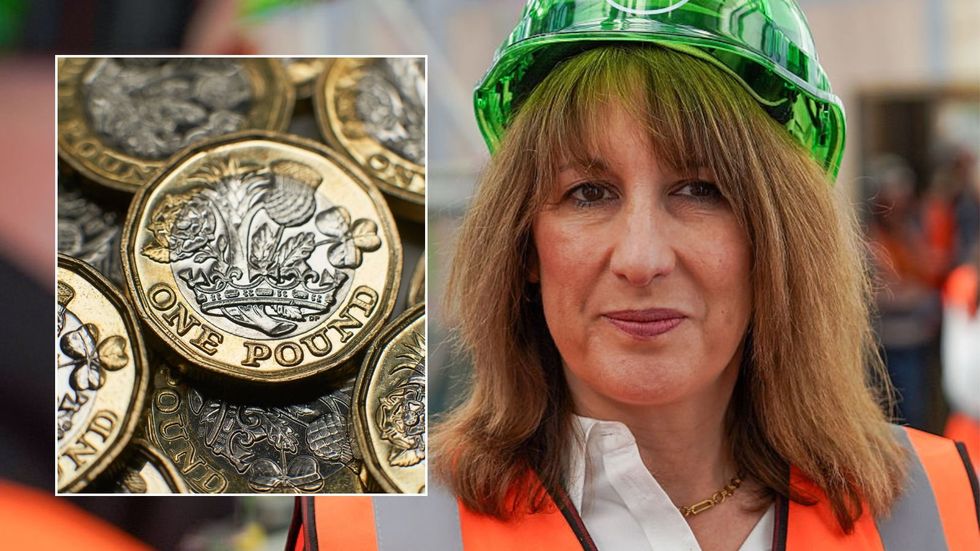
Inflation figures are out - but what does it mean for Rachel Reeves?
|GETTY
Notably, a big driver of the CPI rate's easing came from Ofgem lowering its energy price cap from the start of April by seven per cent, or £10 a month, for the average household using both electricity and gas.
Grant Fitzner, the chief economist at the ONS, said: "There was a notable fall in annual inflation led by lower electricity and gas prices. This was due to the Government's energy bill support package reducing variable and fixed tariffs, along with lower global wholesale energy prices before the conflict in the Middle East, which fed through to the reduction in the Ofgem cap."
"Smaller rises in water and sewage bills and Vehicle Excise Duty than seen last year also helped pull the rate down. Food prices, particularly for chocolate and meat products, and the price of package holidays drove inflation down further.
"These were only partially offset by a further increase in petrol and diesel prices, and an uptick in the cost of clothing and footwear. The annual cost of both raw materials and goods leaving factories continued to rise, driven again by higher crude oil and petrol prices."
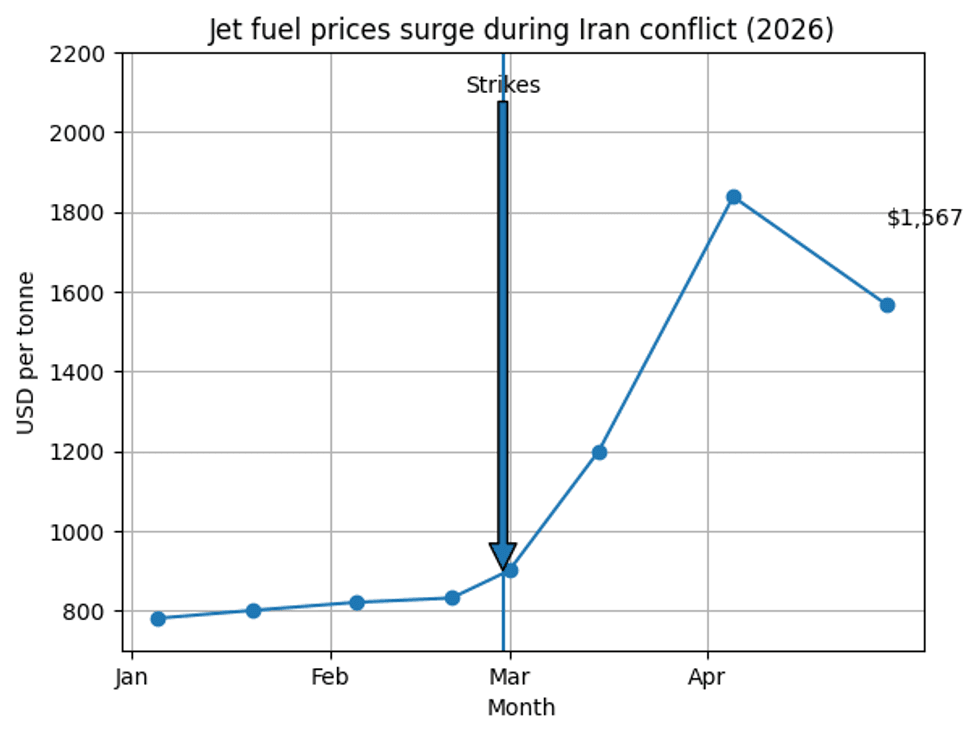 Jet fuel price has soared since start of Iran war | CHATGPT
LATEST DEVELOPMENTS
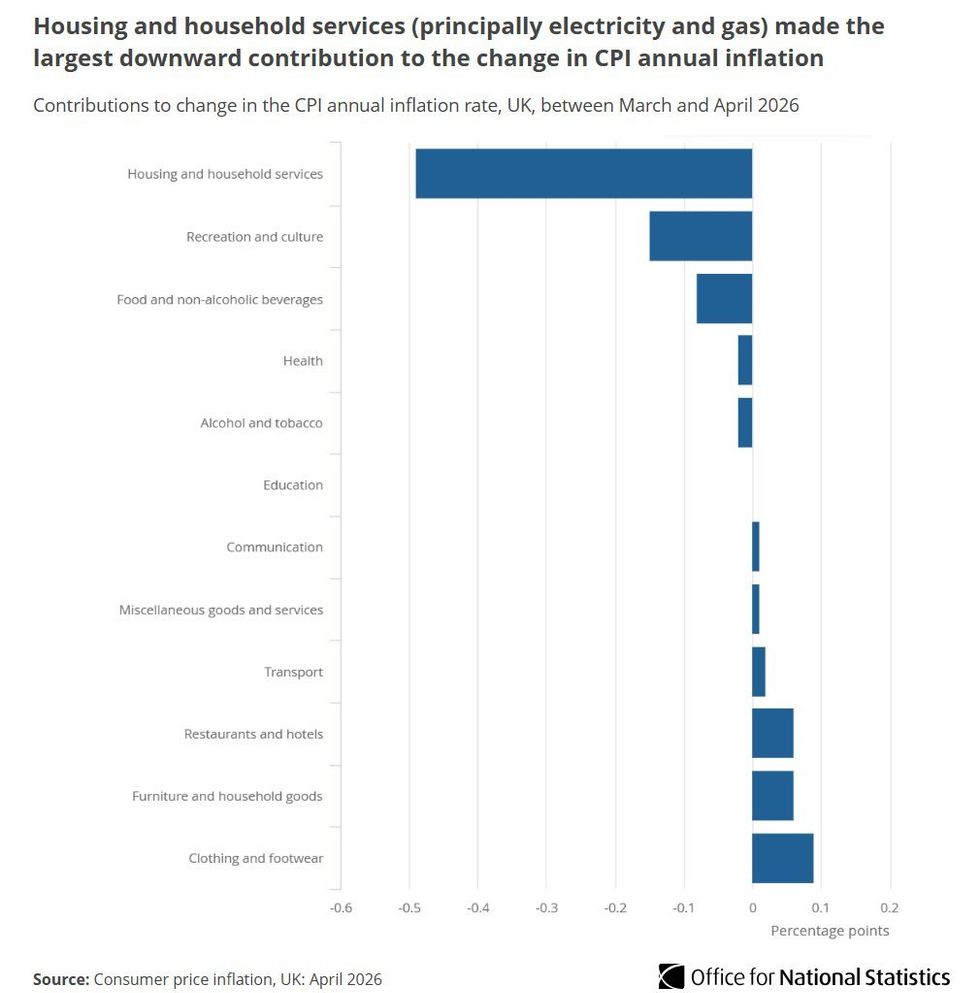
What do the latest CPI figures mean for the economy?
|ONS
In reaction to the news, the Chancellor shared: "The war in Iran is not our war but one we will need to respond to, and the decisions I took in the Budget last year have kept inflation down as we deal with global instability.
"We have the right economic plan, and to change course now would risk our economic stability and leave working people worse off.
"We have already taken £117 off energy bills, frozen rail fares, and lifted the two-child limit, and over today and tomorrow I’ll set out the next phase of how we will support UK households."
Lily Megson-Harvey, the policy director at My Pension Expert, added: "Today’s fall in inflation will offer some welcome relief for households. However, with inflation remaining above the Bank of England’s target, many people will feel there is still little room to breathe.
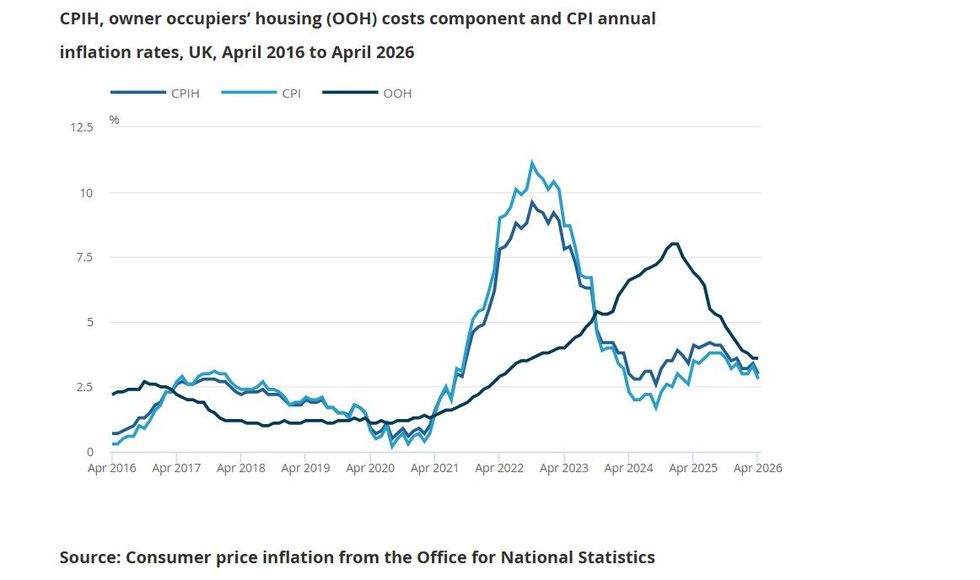
How has the CPI rate changed over the last 10 years?
|ONS
"While markets may take encouragement from signs that price pressures are easing, uncertainty about what's to come undoubtedly remains."
Alex Pugh, a chartered financial planner at wealth management firm Saltus, said: "While inflation has fallen to 2.8 per cent, consumers must not lose sight of the longer-term pressures facing the economy.
"Geopolitical tensions continue to impact commodity prices, feeding through to households in the form of volatile energy, fuel, and food costs. This reality looks set to endure, as inflation is now predicated to rise over the summer, placing renewed pressure on consumers.
“With interest rate rises expected later this year, it is crucial savers take a proactive approach to managing their money. When weighing up the benefits of fixed-rate and easy-access accounts, inflation is often front of mind for savers, keen to ensure their money keeps pace with price rises.
"Amid significant volatility, it is important for savers to retain a degree of flexibility, allowing them to respond to trends in real time and ensure their money is working as hard as possible to counter any inflationary effects."