










Households across Britain are set to pay more on their energy bills to help fund the new Sizewell C nuclear power station.
The extra charges are expected to rise for years before the plant even starts producing electricity.
A report from the National Audit Office published on Wednesday found that households could eventually pay up to £19 more per year on their electricity bills once the Sizewell C project becomes operational.
The public spending watchdog said the average household is already paying around £4 extra during 2025-26 because of construction costs linked to the project.
That figure is expected to increase to between £17 and £19 a year by the time the Suffolk nuclear power station opens in summer 2039.
Sizewell C is expected to cost around £38billion to build.
Once completed, the power station is expected to generate enough electricity to supply around six million homes across the UK for the next 60 years.
The project uses a novel financing structure, with the Department for Energy Security and Net Zero bringing together multiple investors to share the burden.
The Government holds the largest stake at 44.9 per cent, making it the majority shareholder in the venture.
Canadian investment fund La Caisse has committed to a 20 per cent share, while British Gas parent company Centrica owns 15 per cent.
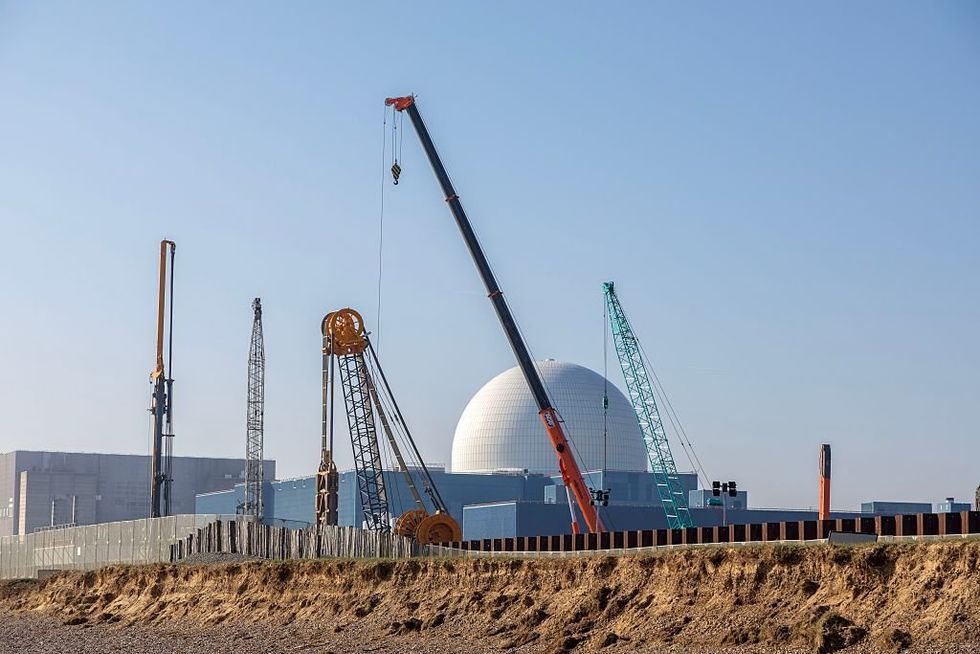
Sizewell C is expected to cost around £38billion to build
|GETTY
French energy giant EDF holds 12.5 per cent of the project, with Amber Infrastructure taking an initial 7.6 per cent stake.
This arrangement represents a deliberate attempt to spread financial risk across both public and private sectors.
Government modelling suggests the nuclear plant could deliver up to £18billion in net benefits for consumers over its lifetime.
However, the NAO warned that returns paid to investors may cost bill payers between £4billion and £4.5billion.
Last year, the Government struck a deal with investors to push ahead with the power plant’s construction
| GETTYThis figure could be reduced if investors help bring down overall costs and shorten the construction timeline.
The watchdog's analysis highlights the delicate balance between rewarding private backers and protecting household budgets.
Ministers have argued the long-term savings will outweigh the upfront costs passed on to consumers during the building phase.
A spokeswoman for the Department for Energy Security and Net Zero said: "Building new nuclear is an investment this country must make, because it is the only way to get our country off the rollercoaster of volatile global gas markets."

Energy bills set to rise again
| GETTYShe added that the deal would lead to cheaper power for families, saving £2billion annually across the energy system once completed.
NAO head Gareth Davies noted that significant efforts had been made to learn from difficulties encountered during earlier nuclear construction projects and major infrastructure schemes.
He emphasised that the department must closely monitor risks to both taxpayers and those paying energy bills.
The news comes as forecasts from energy consultancy Cornwall Insight show the typical annual gas and electricity bill could rise to around £1,850 from July under Ofgem’s next price cap.
That would mark an increase of almost 13 per cent compared with the current £1,641 cap in place between April and June, adding around £209 to a typical yearly bill.
The predicted rise follows a surge in UK gas prices earlier this year after the conflict involving Iran caused wholesale market prices to double.