








Loan sharks have been accused of using threats of humiliation on social media to claw back money as record numbers of cash-strapped Britons turn to them for help.
The number of people turning to illegal lenders to pay for food, bills and other essentials surged by 500,000 to more than two million since 2022, amid mounting pressure on household finances, new analysis shows.
The findings released today by the Centre for Social Justice (CSJ) think-tank have prompted warnings Britain is facing a growing “illegal lending crisis” as millions battle rising living costs and soaring debt.
But experts say the stereotypical image of a loan shark as a shadowy criminal demanding money with violence is increasingly outdated.
Instead, most victims are meeting their loan shark through friends or family, with lenders increasingly relying on psychological pressure, intimidation and online humiliation rather than physical brutality to force people to pay up.
The findings are featured in a new Channel 4 documentary, Hunting the Debt Predators: Dispatches, airing tonight.
Between 2022 and 2025, 66 per cent of victims met their loan shark through friends or family. And 60 per cent considered the lender a friend before borrowing. Meanwhile, 28 per cent were threatened with social media shaming.
The latest findings also suggest demand for illegal borrowing shows little sign of easing.

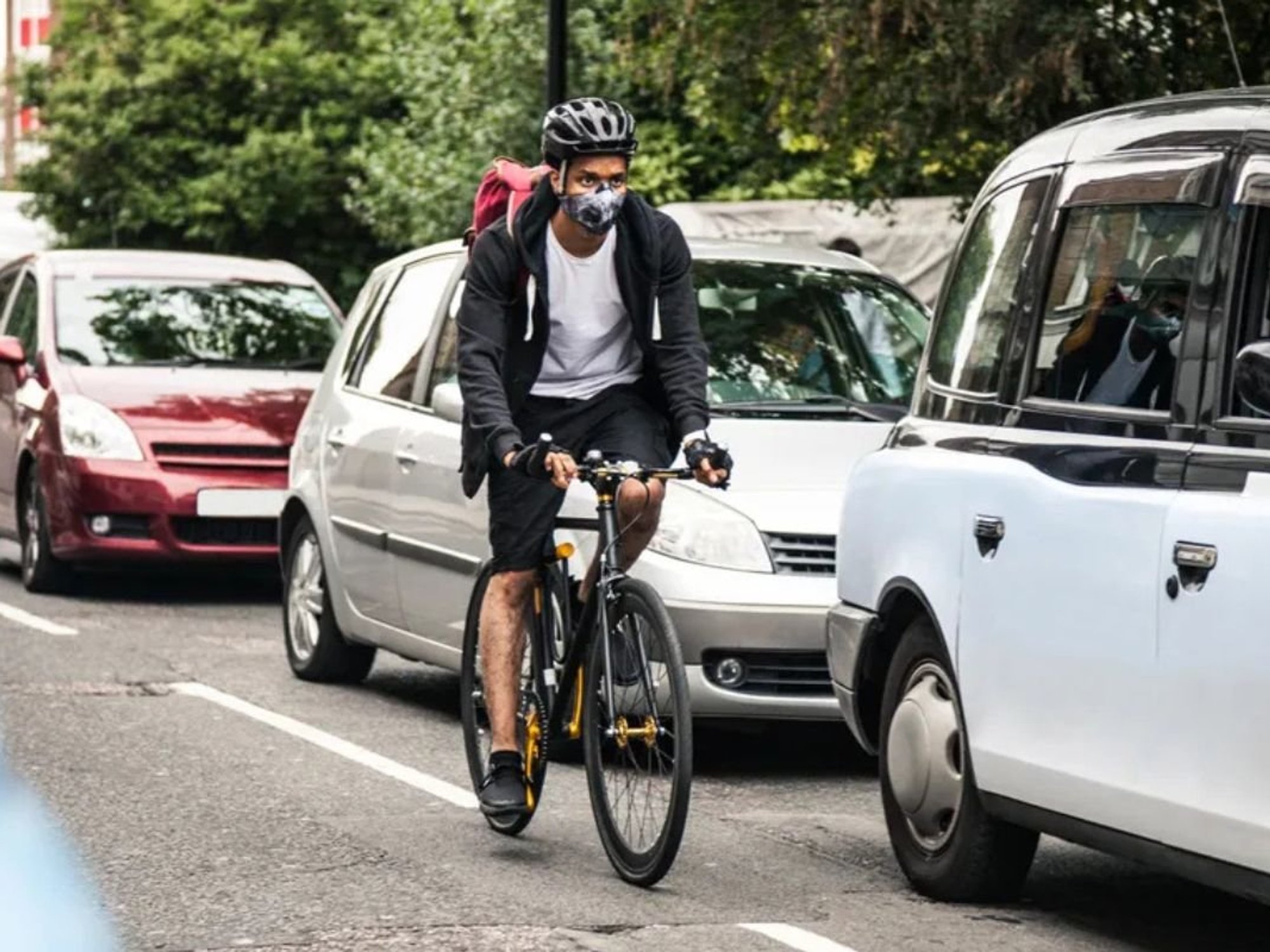
Loan sharks have been accused of using threats of humiliation on social media to claw back money
|GETTY
Many victims said they turned to loan sharks simply to cover everyday essentials such as groceries, utility bills and household costs.
Others borrowed money to support family members, pay funeral costs, cover wedding expenses, make vehicle repairs, or keep businesses afloat.
Researchers found many borrowers believed they had nowhere else to turn. Nearly three-quarters of those who sought unlicensed credit had been turned down by regulated lenders.
A survey commissioned by the CSJ questioned 4,103 adults and found 3.7 per cent were currently borrowing from someone in their local area who charged interest but was not a legitimate lender, such as a bank, credit union, authorised doorstep lender or payday lender.
LATEST DEVELOPMENTS
Based on those findings, the CSJ estimates that more than two million people across the UK are now be using illegal lenders.
The warning comes as unsecured consumer debt in Britain has climbed above £250 billion.
Average unsecured debt now stands at around £8,600 per household, while 84 per cent of UK adults hold at least one consumer credit product.
The CSJ is calling on ministers to crack down on illegal lending through tougher enforcement measures and stronger action against online harassment.
It wants the Government to use powers under the Online Safety Act to tackle loan sharks who threaten victims through social media.
The CSJ is also urging ministers to improve access to affordable credit, reform credit union rules and strengthen debt advice services to help vulnerable borrowers avoid illegal lenders altogether.
Ben Gregg, Head of Welfare at the CSJ, said: “Hundreds of thousands of people are borrowing from illegal lenders, often with little to no idea that their creditor is acting illegally.
“Many consider unlicensed lenders to be friends and members of their community and continue to repay their debts even after loan sharks have been arrested.
“None of our policy changes are costly. They require small legislative amendments and the strengthening of action already underway. But they would be life-changing for the victims of illegal money lending.”
John Pears, UK chief executive of debt management firm Lowell, said the findings revealed the precarious state of many household budgets.
He said: “More people turning to loan sharks lays bare just how fragile household finances have become. Too many households are living without any meaningful financial buffer, leaving them exposed when even a smallest shock hits.
“If we are serious about tackling illegal money lending, enforcement alone will not be enough. We need to address the root causes that allow these lenders to exploit people in the first place. That means real, sustained action to strengthen financial resilience and ensure people can access realistic, affordable support before they are pushed into dangerous alternatives.”
Unlike regulated lenders, loan sharks operate outside the law and often charge exorbitant interest rates while using intimidation, threats and coercion to recover money.
The CSJ said many victims remain unaware they are dealing with illegal lenders until they are already heavily indebted.
Our Standards: The GB News Editorial Charter