








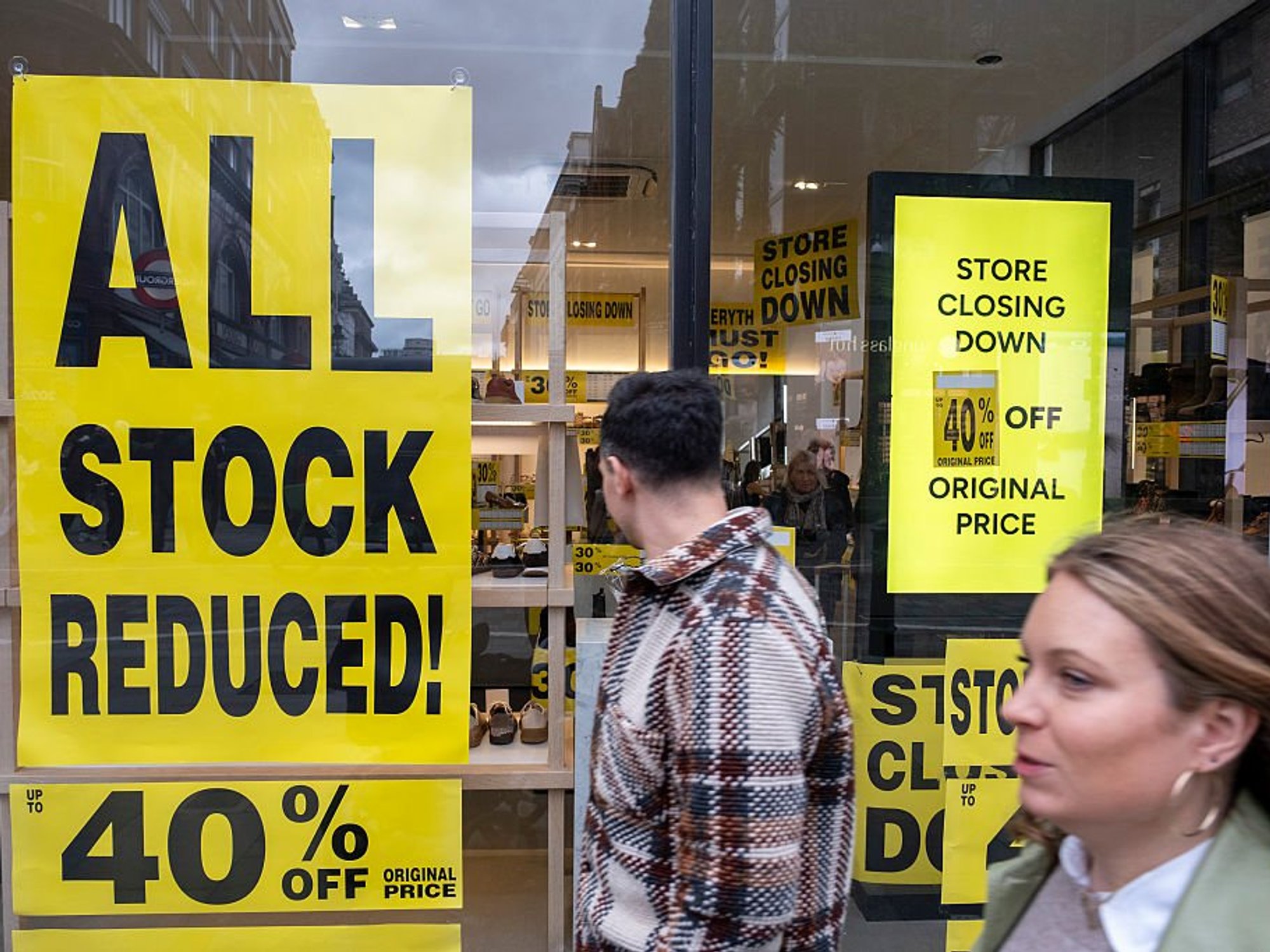

UK households can receive £300 to spend at supermarkets including Tesco, Asda, Sainsbury's and Aldi.
The Household Support Fund has been extended into 2025, with local councils distributing new rounds of funding across different parts of the country.
Surrey County Council has introduced an Everyday Essentials E-voucher programme designed to assist residents struggling with daily living expenses.
The initiative provides families with £300 vouchers whilst single-person households receive £200. Funding for the scheme comes from the Department for Work and Pensions Household Support Fund, with the south of England local authority administering the programme directly.
Recipients can redeem their vouchers at nine major supermarket chains: Tesco, Asda, Sainsbury's, Aldi, Morrisons, Waitrose, Iceland, Farmfoods and The Food Warehouse.
State pensioners meeting the eligibility requirements are particularly well-positioned to benefit from this financial assistance.
This month's allocation has already been fully claimed, meaning residents must wait until the new year to apply. The programme will resume accepting applications on January 5, 2026, at 1pm.
Households hoping to secure a voucher should act swiftly once the scheme reopens, as the monthly quota tends to be exhausted rapidly.
A fixed number of vouchers becomes available at the start of each month, and once depleted, applications close until the following period.
The programme will continue operating until March 31, 2026, or until all available funding has been distributed, whichever occurs first. Applications are processed Monday through Friday only.

Households handed £300 cost of living payment for shopping at nine major supermarkets
|GETTY
To qualify for the scheme, applicants must be aged 18 or over and reside within Surrey.
Financial thresholds require household savings to remain at or below £2,000 on average across a 90-day period, with annual household income falling under £27,007.50 prior to taxes and deductions.
Notably, claimants do not need to be receiving Universal Credit or any other benefits to be eligible.
The council stated: "We need to understand your household's financial circumstances to confirm that the support is needed. This will include details on the income and benefits of your partner if you live in the same household."
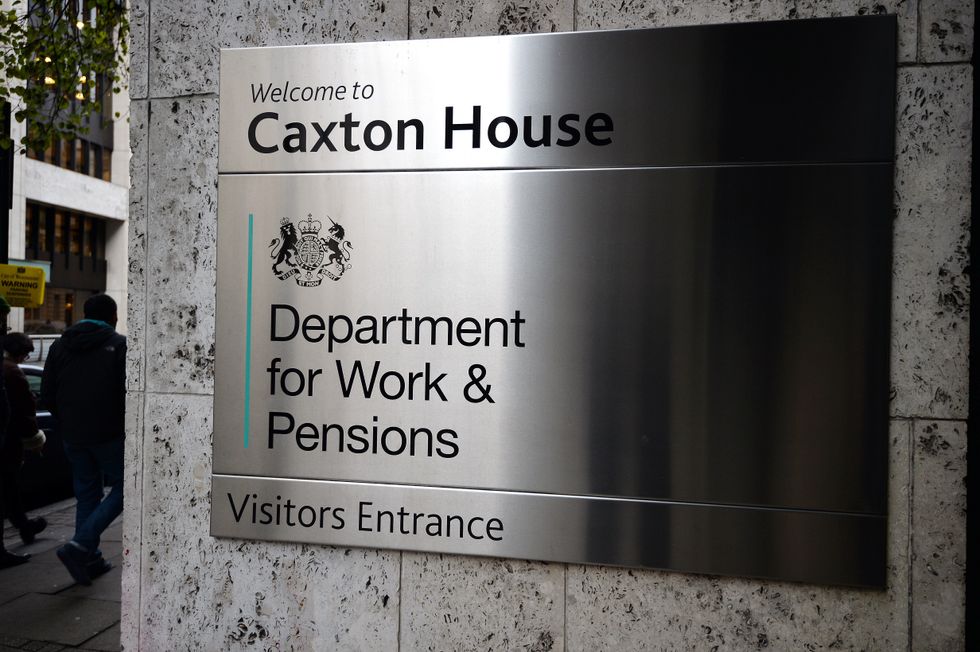
Funding for the scheme comes from the Department for Work and Pensions Household Support Fund, with the south of England local authority administering the programme directly
| PAApplicants should be prepared to provide documentation of their household income and benefits if requested, along with an explanation for why they are seeking support.
The council added: "You will need to be able to provide evidence, if requested, of your household's income and benefits and explain why you are making this application for support."
Those whose applications are approved will receive their e-voucher via email within a four-week timeframe.
The council will contact applicants from the number 0300 200 1032, and residents are advised to save this contact to ensure calls are not missed. This line is used solely for outgoing communications.

For those who do not live in Surrey, similar support may be available in their own area, although schemes vary by council
| GETTYFor those who do not live in Surrey, similar support may be available in their own area, although schemes vary by council.
In Doncaster, for example, eligible households with children can apply for cost-of-living support worth up to £300 to help with supermarket shopping.
Each local authority receives funding from the DWP and decides independently how it is allocated, meaning rules and payment levels differ across the country.
Some councils limit access to those already receiving benefits, but according to the Government’s eligibility guidance, a person does not always need to be on benefits to qualify for help through the Household Support Fund.
More From GB News