





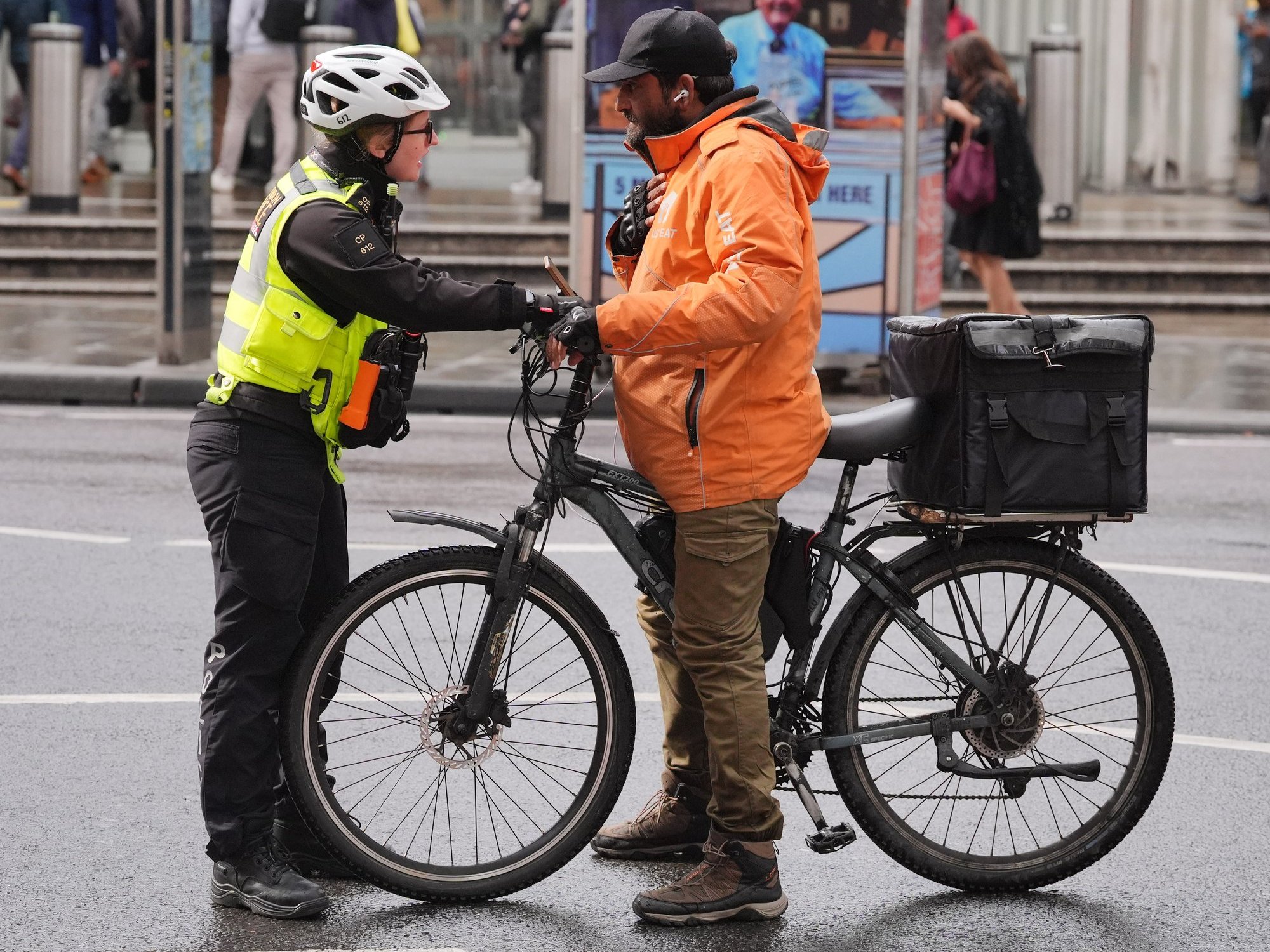




A UK-wide trial has given 125 people experiencing homelessness £2,000 each with no restrictions on how the money could be spent, as part of a study examining whether direct cash payments can improve long term outcomes.
The trial was run by the Centre for Homelessness Impact across London and Belfast, with the funds paid directly into participants’ bank accounts.
Those selected for the scheme had recently slept rough or been living in temporary accommodation at the time they received the payment.
The project is the first of its kind to be carried out in the UK and follows a smaller pilot programme previously conducted in Vancouver, Canada.
TRENDING
Stories
Videos
Your Say
A separate control group of 125 people experiencing homelessness did not receive cash payments and instead accessed existing support through charities and homelessness services.
The randomised controlled trial is being supported by Citi Foundation and St Martin-in-the-Fields Charity.
Full findings from the study are expected to be published in 2027.
Early observations suggest participants largely used the money for practical purposes linked to housing, employment and family needs.
Researchers said some recipients spent the funds on furniture and household essentials after moving into permanent accommodation.
Others used the money to buy clothing or pay for training courses aimed at improving their chances of securing work.
One participant purchased a second hand car, allowing them to transport their children to school.
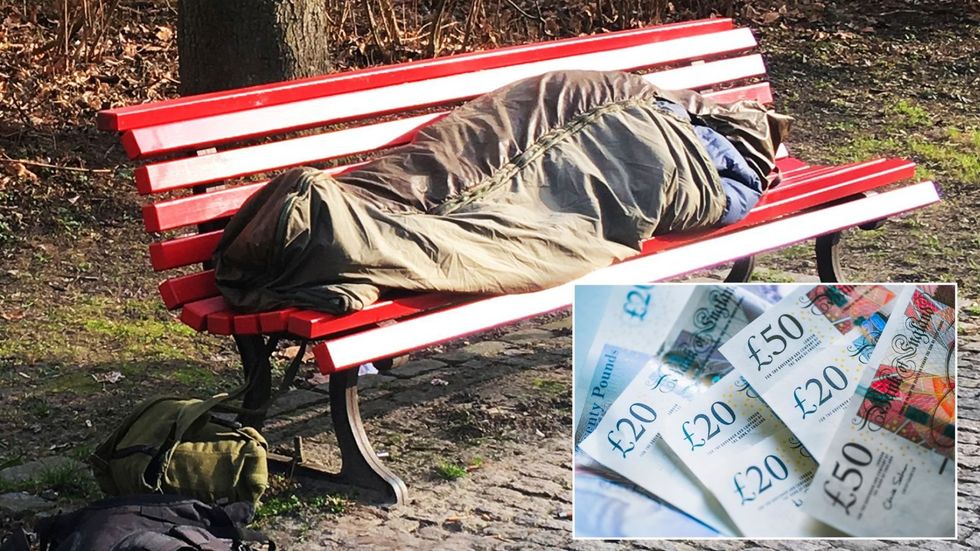
A UK-wide trial has given 125 people experiencing homelessness £2,000 each with no restrictions on how the money could be spent
|GETTY
Debt repayment was also a common use of the cash.
Researchers said one man used the money to clear outstanding bills before buying furniture for his new home after leaving temporary accommodation.
Another younger participant settled existing debts and began exploring plumbing courses to improve future employment prospects.
The funds were also used to cover childcare costs during periods of instability.
One pregnant woman involved in the trial said the payment arrived shortly after she had been offered permanent housing, allowing her to manage expenses during the transition.
Ligia Teixeira, chief executive of the Centre for Homelessness Impact, said the project was based on giving people greater control over their circumstances.
"Our cash transfers project is rooted in a straightforward yet powerful belief: when people have direct access to resources, they gain agency over their lives and livelihoods."
LATEST DEVELOPMENTS
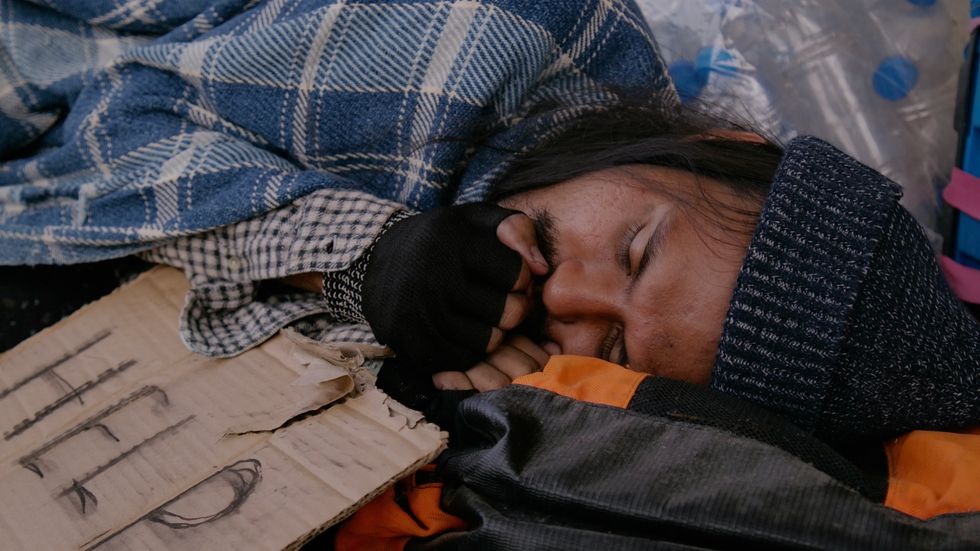
The study shows homeless people have used the funds to better their future
|GETTY
She said the study aimed to challenge assumptions about how homelessness support is delivered.
"By challenging outdated assumptions about how support is delivered, we hope to see not just immediate relief but real shifts in economic participation, decision-making and resilience."
She also questioned whether existing approaches to tackling homelessness are effective in the long term.
"We need to ask ourselves what is best for all of us in society. Do we continue to invest in an ever growing crisis system or do we give those at risk even better opportunities to self exit?"
Direct cash transfer schemes are widely used in developing countries across sub-Saharan Africa and Latin America.
However, similar approaches have rarely been tested among homeless populations in wealthier nations.
Professor Michael Sanders, a professor at King’s College London, is leading the independent evaluation of the UK trial.
Mr Sanders said evidence from previous international studies suggested cash payments could have positive effects.
He said: "Evidence from Canada suggests that when people experiencing homelessness get a cash sum they invest in themselves and in their future."
Mr Sanders said the UK project is examining whether those findings can be replicated on a larger scale.
"This study is testing for the first time and at greater scale whether this approach works to improve outcomes for people affected by homelessness in the UK."
Researchers involved in the trial said no negative outcomes have been recorded among participants so far.
Participants have also reported improved wellbeing, including feeling more hopeful about their future prospects.
Participants have reported an improved sense of wellbeing
|GETTY
Kim, a participant supported by Kent based homelessness charity Porchlight, described the impact of receiving the cash payment. "When you're homeless, it's like you've been put at the back of the queue."
She said she used the money to buy a phone, laptop and printer in order to enrol on a civil law course.
"Getting this money gives you hope."
The Centre for Homelessness Impact said the trial will continue to track outcomes for both the cash payment group and the control group.
Researchers said the long term findings will focus on housing stability, employment, wellbeing and use of public services.
The results are expected to inform future policy discussions around homelessness prevention and support in the UK.
More From GB News