










Ground rents for leaseholders in England and Wales will be limited to £250 a year under wide‑ranging reforms unveiled by Labour today.
The plans also include a ban on new leasehold flats and a new right for existing leaseholders to convert to commonhold, aimed at giving homeowners greater control over their buildings.
Announcing the changes in a TikTok video, Sir Keir Starmer said he had "spoken to so many people who say this will make a difference to them worth hundreds of pounds".
The Prime Minister added that easing pressure on household budgets remains crucial as the cost-of-living crisis continues to bite Britons' pockets.
The measures will be set out in the draft Leasehold and Commonhold Reform Bill, due to be introduced on Tuesday.
"It's so important because the cost of living is the single most important thing in the country," Sir Keir added.
TRENDING
Stories
Videos
Your Say
Housing Secretary Steve Reed said: “If you own a flat, you can be forced to pay ground rents that can become completely unaffordable.
"We said we’d be on the side of leaseholders – which is why today we are capping ground rent – helping millions of leaseholders by saving them money and giving them control over their home.
“The leasehold system has tainted the dream of home ownership for so many.
"We are taking action where others have failed –strengthening home ownership and calling time on leasehold for good.”

Ground rents will be capped at £250 a year for leaseholders, Keir Starmer announces
|GETTY
The Government has confirmed that the controversial practice of forfeiture, which allows landlords to seize a leaseholder’s home and wipe out their equity over debts as small as £350, will be scrapped under sweeping reforms to the leasehold system.
Ministers say a new enforcement regime will replace it, designed to “rebalance” the relationship between landlords and leaseholders and create a fairer system of redress.
Alongside this, a streamlined process for converting existing leasehold properties to commonhold will be introduced.
Under the revamped model, homeowners would gain a direct stake in the ownership of their building and stronger rights over how it is run, including control of management decisions and spending.
The Government says the strengthened commonhold framework will be suitable for all types of developments and meet the needs of mortgage lenders, with clearer rules on repairs, governance and homeowner protections.
Residents would have a formal say in annual budgets and day‑to‑day management, with new safeguards in place when disputes or failures arise.
Existing leaseholders will be able to switch to commonhold where a majority of occupants support the move.
The package builds on measures already being rolled out through the Leasehold and Freehold Reform Act 2024, including new requirements for transparent service‑charge information to help leaseholders hold landlords to account.
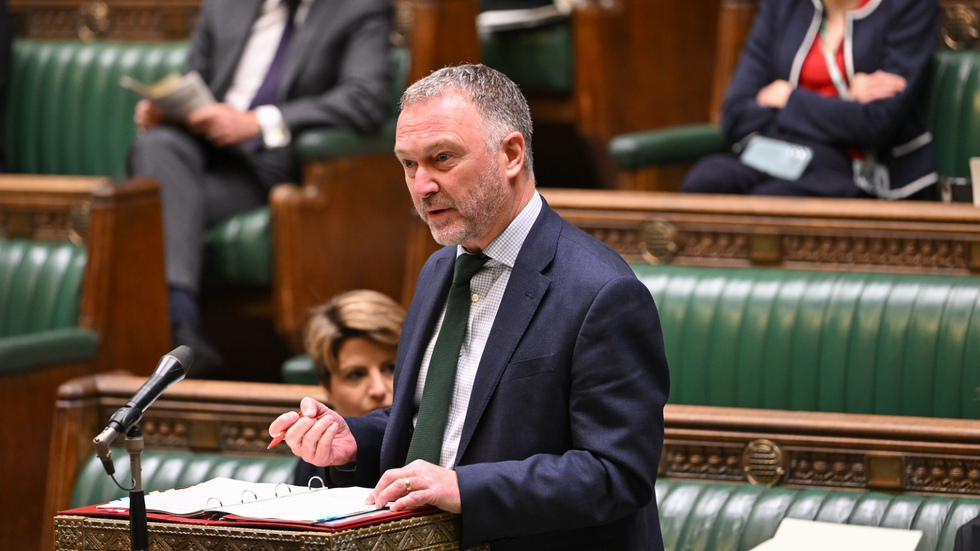 Steve Reed said that the move helps strengthen home ownership | HOUSE OF COMMONS
There are five million leaseholders in England and Wales, with the Government claiming 900,000 will benefit during this Parliament.
Labour's 2024 election manifesto promised to "tackle unregulated and unaffordable ground rent charges".
Leasehold remains the standard form of tenure for privately owned flats, with Land Registry data indicating that 99 per cent of flat sales in England in 2024 were leasehold.
According to the English Housing Survey, leasehold owner‑occupiers paid a median ground rent of £120 a year in 2023/24.
Back in 2024, while Labour was still in opposition, now-Housing Minister Matthew Pennycook said he favoured reducing ground rents to effectively zero.
However, recent reports have pointed to tensions between the Treasury and the housing department over the policy, amid concerns about how a cap could affect pension funds that hold freeholds.
Ex-Housing Secretary Angela Rayner campaigned heavily for the reforms.
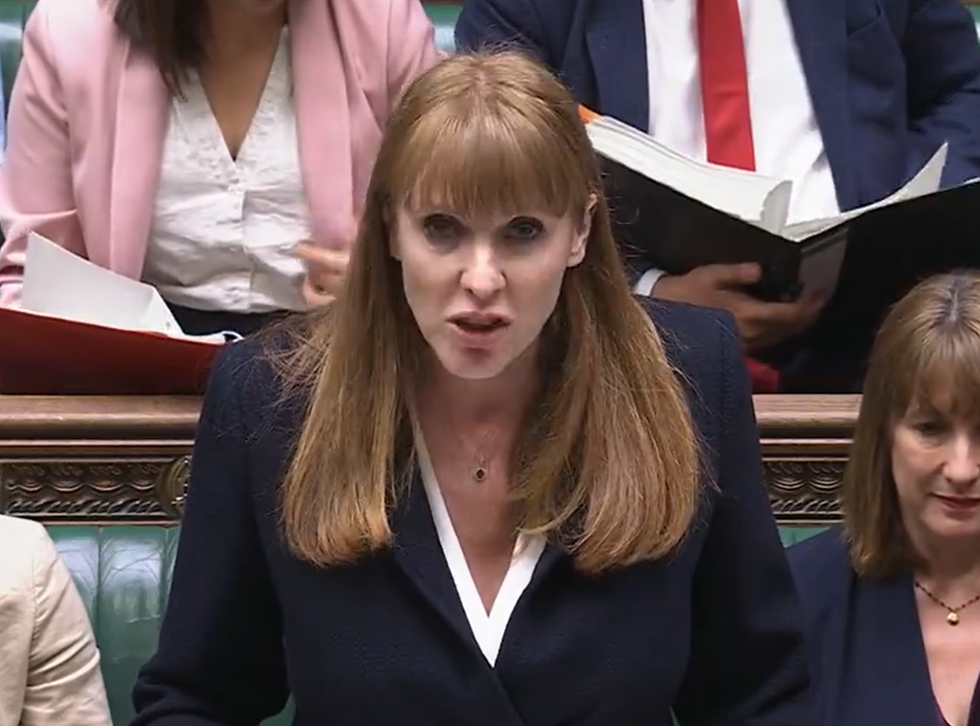
Angela Rayner campaigned heavily for the reforms
| PARLIAMENTOn the proposals, she had previously said: "Labour made a promise to leaseholders that we would fix this injustice, but ministers are currently subjected to furious lobbying from wealthy investors trying to water this manifesto commitment down.
"There are those who argue we cannot act on our promise as it could risk a backlash from investors, including pension funds. It's hardly surprising - the system works just fine for them.
"They get an annual return for doing absolutely nothing, they can raise ground rents and pile up service charges without transparency and with total impunity, regardless of the devastation it causes to families.
Sarah Cardell, chief executive of the Competition and Markets Authority (CMA), said: “Our action has freed thousands of homeowners from doubling ground rents, and we have long supported a cap on ground rents to make sure all leaseholders get the fair deal they deserve.
“We welcome the Government’s proposals, so people won’t have to struggle against these rising fees anymore – particularly when many are already grappling with high costs elsewhere.”
The Residential Freehold Association (RFA), which is the trade body representing professional freeholders, said the ground rent cap was “wholly unjustified” and warned over the impact on the UK’s reputation for investors.
A spokesperson said: “The inclusion of a ground rent cap in the draft Leasehold and Commonhold Reform Bill represents a wholly unjustified interference with existing property rights which if enacted, would seriously damage investor confidence in the UK housing market and send a dangerous and unprecedented signal to the wider institutional investment sector.
“Property rights and contract law are fundamental drivers of domestic and global investor confidence in the UK.
“Instead of focusing on those reforms which address the issues that leaseholders care most about, the Government’s draft Bill will tear up long-established contracts and property rights, which are pillars of the UK’s investment reputation.
“This is, despite the previous government’s own impact assessment showing compensation could exceed £27billion.
“The resulting forced exit of professional freeholders from the sector, will hinder building safety projects and disrupt the day-to-day lives of residents.”
More From GB News