










Britain recorded the largest increase in taxes on workers among advanced economies last year.
The UK’s “tax wedge” rose by 2.45 percentage points in 2025, marking the biggest increase across its 38 member countries, according to new data from the Organisation for Economic Co-operation and Development (OECD).
The tax wedge measures the combined burden of taxes paid by employees and employers, minus any benefits received by households.
This rise follows measures introduced by Chancellor Rachel Reeves in the 2024 Budget, including increases to employer national insurance contributions.
TRENDING
Stories
Videos
Your Say
The OECD said the increase was also driven by fiscal drag, where frozen tax thresholds result in higher effective tax rates as incomes rise.
Among other countries, Estonia recorded the second-largest increase at 1.95 percentage points.
Germany and Israel were the only other nations to post increases above one percentage point, at 1.34 and 1.09 respectively.
Across the OECD, 24 countries saw their tax wedge rise, while 11 recorded a decline and three remained unchanged.
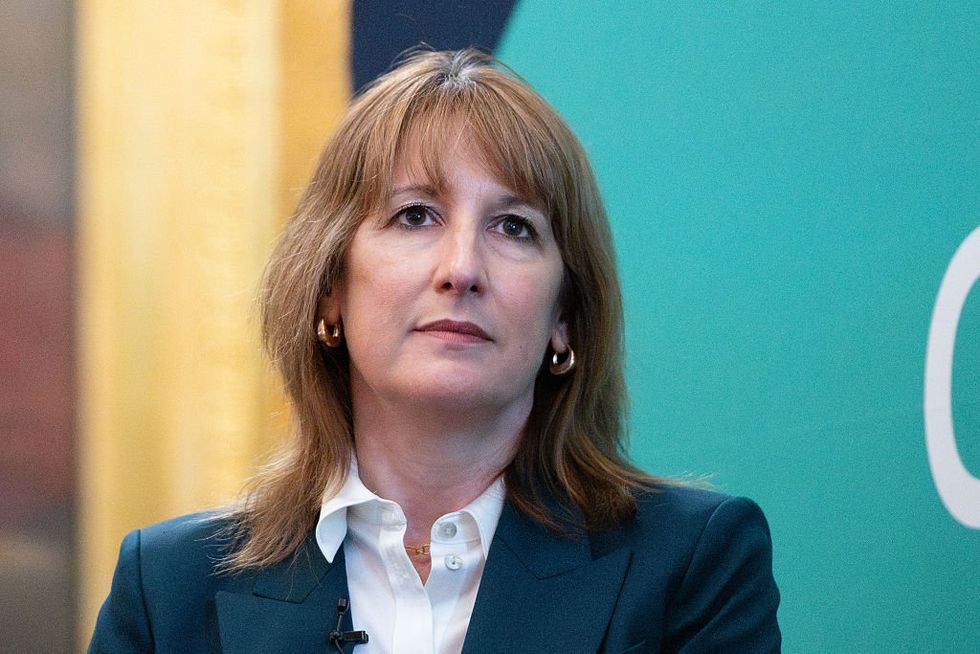
Tax wedge rises fastest in OECD after Chancellor's national insurance changes
|GETTY
Despite the increase, the UK’s overall tax wedge stood at 32.4 per cent, below the OECD average of 35.1 per cent.
The range across member states varied significantly, from zero in Colombia to 52.5 per cent in Belgium.
Before the 2024 general election, Keir Starmer pledged that Labour would not raise taxes on working people.
The OECD’s methodology includes taxes paid by employers as well as those directly paid by employees.
LATEST DEVELOPMENTS
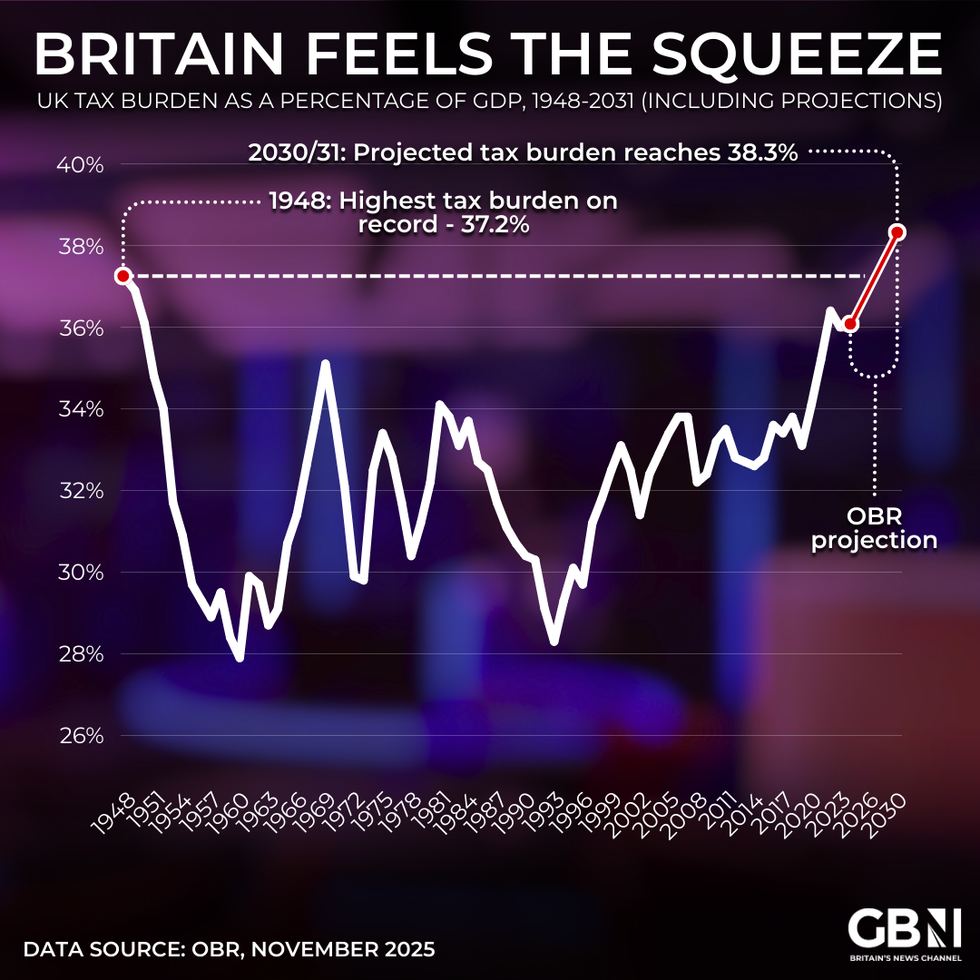 GRAPHED: The UK's tax burden as a percentage of GDP, 1948-2031 | GB NEWS
Business groups have raised concerns about the impact of higher employer national insurance contributions, alongside increases in the national minimum wage and planned employment reforms.
Recent labour market data shows unemployment has increased since Labour entered office, although the latest figures indicated a decline from 5.2 per cent to 4.9 per cent in the three months to February.
This remains above the 4.2 per cent recorded before the election.
Lower-paying sectors including hospitality, leisure and retail have experienced the largest reductions in employment.
A Treasury spokesman said: "The decisions we made at the budget mean we can stabilise the economy and deliver support for families and businesses, including cutting the cost of living.
"Increasing the national minimum wage boosts pay for over 200,000 young workers, and employer national insurance contributions are lower when hiring under-21s".
The International Monetary Fund (IMF) has warned the UK’s overall tax burden as a share of gross domestic product is expected to rise faster than any other G7 country between 2024 and 2031.
Economists have also highlighted risks linked to global pressures, including the economic impact of the Iran conflict, which could affect employment and household finances.