




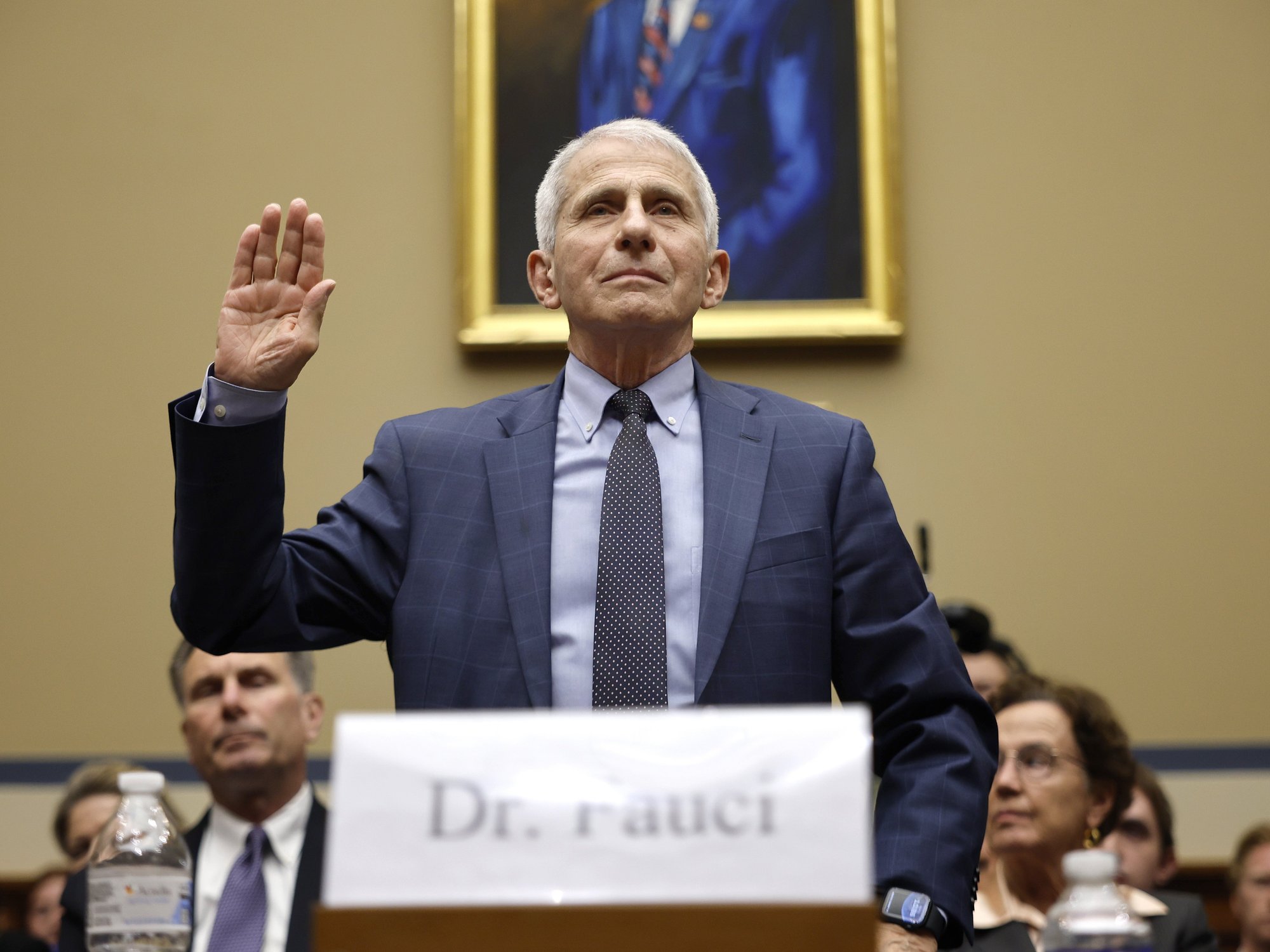





British households could see food prices rise by more than eight per cent in the coming months if the conflict involving Iran continues to disrupt global energy markets, according to grocery industry analysts.
The institute of grocery distribution said food inflation could more than double from its current level of 3.6 per cent to exceed 8 per cent by June under a severe energy shock scenario.
Its modelling also indicated that a more moderate disruption would push average food price increases to around 4.8 per cent over the year.
The highest projection would add around £150 to a typical annual shopping bill, increasing pressure on households already preparing for higher energy costs this summer.
James Walton, chief economist at the institute of grocery distribution, said: "Even in the best case scenario, the conflict in the Middle East is likely to prolong the timeline for recovery from the cost of living crisis."
This comes after figures released on Wednesday showed inflation prior to the Iran conflict flatlined.
Chancellor Rachel Reeves said the economic impact of the Iran conflict could be "significant" for the UK.
Ms Reeves said: "Contingency planning is taking place for every eventuality so that we can keep costs down for everyone and provide support for those who need it most, acting within our iron-clad fiscal rules to keep inflation and interest rates as low as possible."
The Treasury is preparing potential support measures for vulnerable households ahead of the energy price cap ending in late June, when continued volatility in global markets could push domestic bills higher.
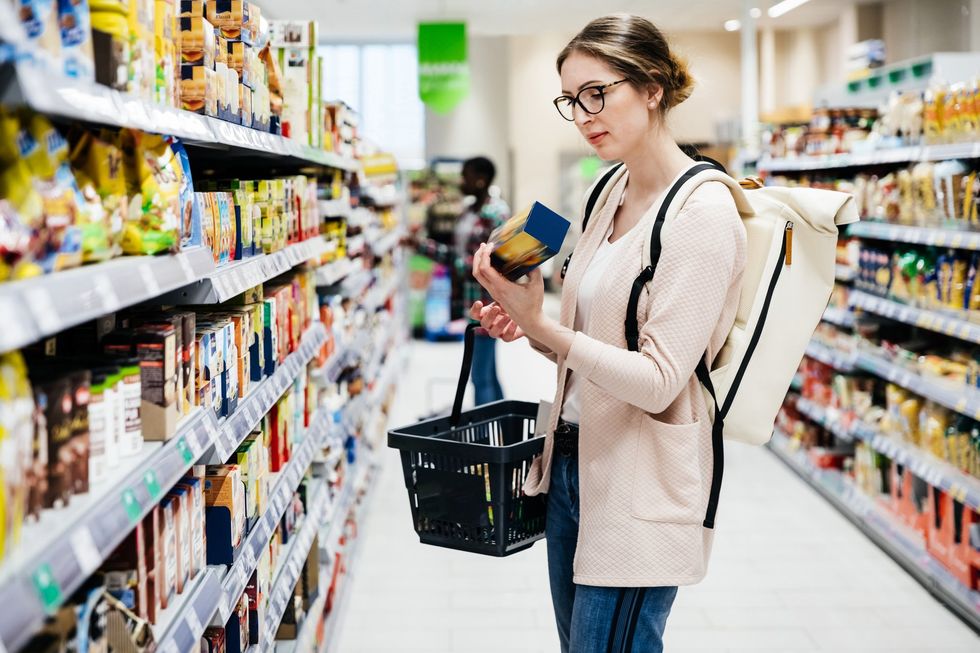
The Iran conflict continues to push up energy and grocery costs
|GETTY
The Chancellor indicated a preference for targeted support rather than universal measures.
Ms Reeves said the approach adopted under Liz Truss following Russia’s invasion of Ukraine "gave the support to the most wealthiest of households" and "left us with high levels of national debt".
Motorists have already experienced rising costs, with the RAC Foundation estimating drivers have spent £307million more on fuel compared with pre-crisis levels before the US-Israeli action against Iran on February 28.
Unleaded petrol reached 144.2p per litre on Monday, an increase of 12p since early March and its highest level since July 2024.
LATEST DEVELOPMENTS
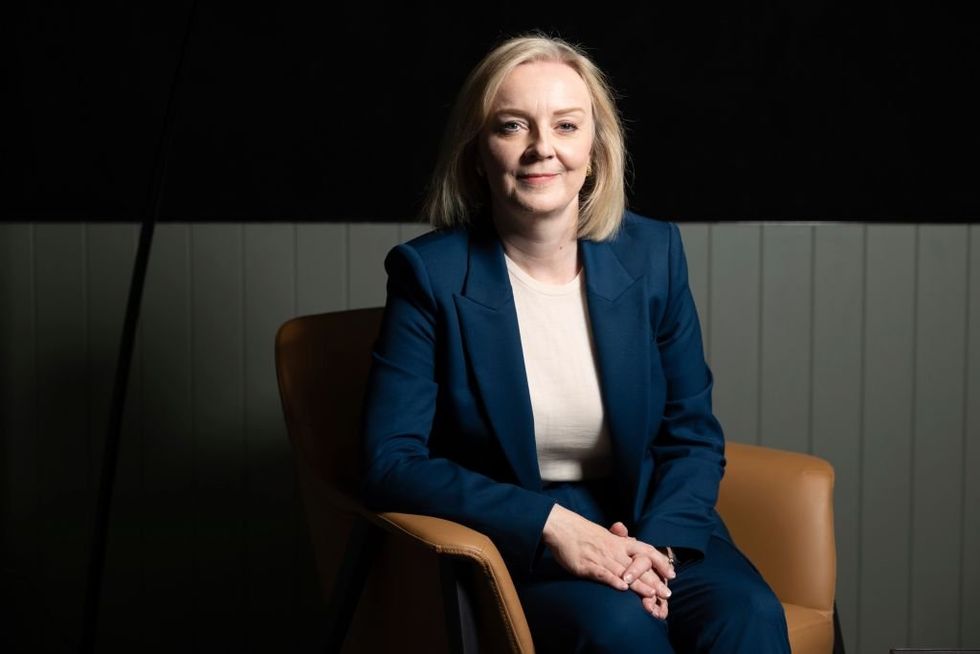
Ms Truss was in the firing line of the chancellor
|GETTY
Diesel prices have risen more sharply, increasing by 24.7p to 166.9p per litre over the same period, according to figures from the Department for Energy Security and Net Zero (DESNZ).
This represents the highest diesel price recorded since March 2023.
The Chancellor pointed to the Fuel Finder app as a tool for motorists to compare prices at forecourts.
The Government is also planning to give the Competition and Markets Authority (CMA) additional powers to tackle potential "price gouging" through a new framework.
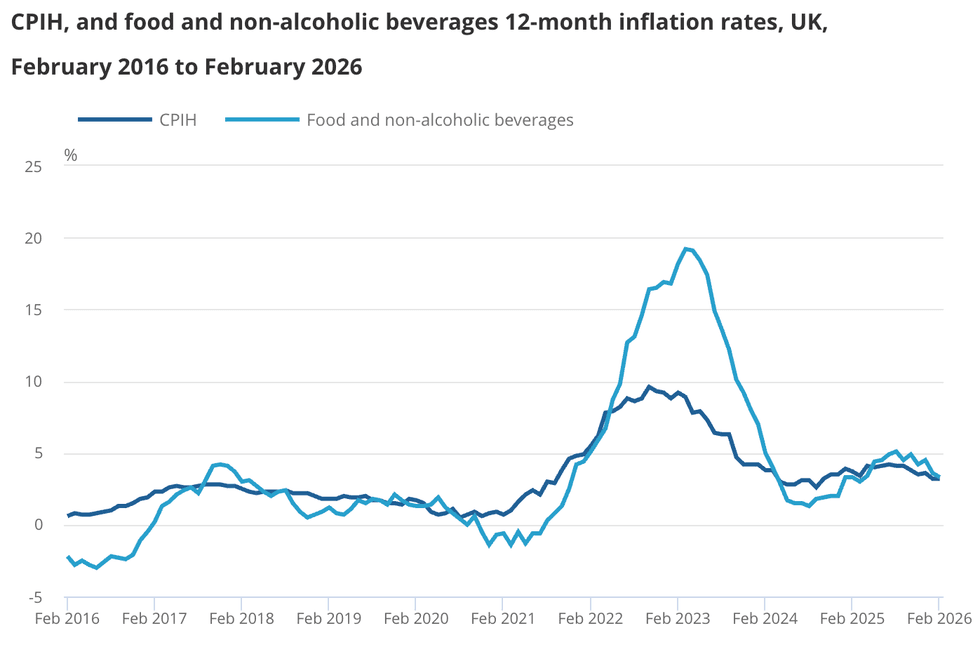
On a monthly basis, food and non-alcoholic beverages prices were unchanged in February 2026, compared with a rise of 0.2 per cent a year ago
|ONS
Ms Reeves is due to meet supermarket and banking executives this week to discuss possible support for customers.
Conservative leader Kemi Badenoch said removing taxes on energy bills would be "much better" than the targeted approach.
Ms Badenoch also called for increased oil and gas extraction in the North Sea and criticised planned fuel duty increases in September.
She told the Press Association: "Keir Starmer has been caught with his pants down, not being prepared, not knowing what's coming, not having any answers except sticking his head in the sand."