







The consumer prices index (CPI) remained unchanged at three per cent in February, matching economists’ expectations and holding at the same level recorded in January.
While this marks the lowest rate of inflation recorded in Britain since March last year, these figures aren't taking into account the price shocks caused by the Iran war, which looks set to push up inflation.
The annual rate remains above the Labour’s official two per cent target.
Figures released by the Office for National Statistics (ONS) on Wednesday confirmed the figure, aligning with forecasts compiled in a Reuters poll.
TRENDING
Stories
Videos
Your Say
In response, Chancellor Rachel Reeves said: "In an uncertain world we have the right economic plan, taking a responsive and responsible approach to supporting working people in the national interest.
"We’re taking £150 off energy bills and providing targeted support for those facing higher heating oil costs.
"We’re also acting to protect people from unfair price rises if they occur, bring down food prices at the till, and cut red tape to boost long-term energy security - building a stronger, more secure economy."

UK inflation steady at three per cent in February as Bank of England warns it could hit 3.5 per cent
|GETTY
The Governor of the Bank of England Andrew Bailey has previously warned that inflation looks set to rise over the coming months.
He said: “War in the Middle East has pushed up global energy prices."
“You can already see that at the petrol pump and, if it lasts, it will feed into higher household energy bills later in the year.
“The best way to tackle this is at the source by re-opening energy supply lines. We have held interest rates at 3.75 per cent as we assess how events unfold.
“Whatever happens, our job is to make sure inflation gets back to its two per cent target.”
The data indicates that the Bank of England had been making progress in efforts to ease price pressures before recent geopolitical developments shifted the outlook.
US-Israeli military action against Iran, now entering its fourth week, has contributed to a rise in global energy costs.
The disruption to shipping through the Strait of Hormuz has impacted supplies, with the route representing a key channel for global oil and gas shipments.
Flows through the waterway have slowed significantly, contributing to higher petroleum and natural gas prices on international markets.
Before the escalation in late February, Bank of England forecasts suggested inflation would fall to 2.1 per cent in the second quarter.
Updated projections now indicate inflation could rise to 3.5 per cent in the third quarter if elevated energy prices persist.
The Bank of England’s Monetary Policy Committee (MPC) held interest rates at 3.75 per cent at its meeting last week.
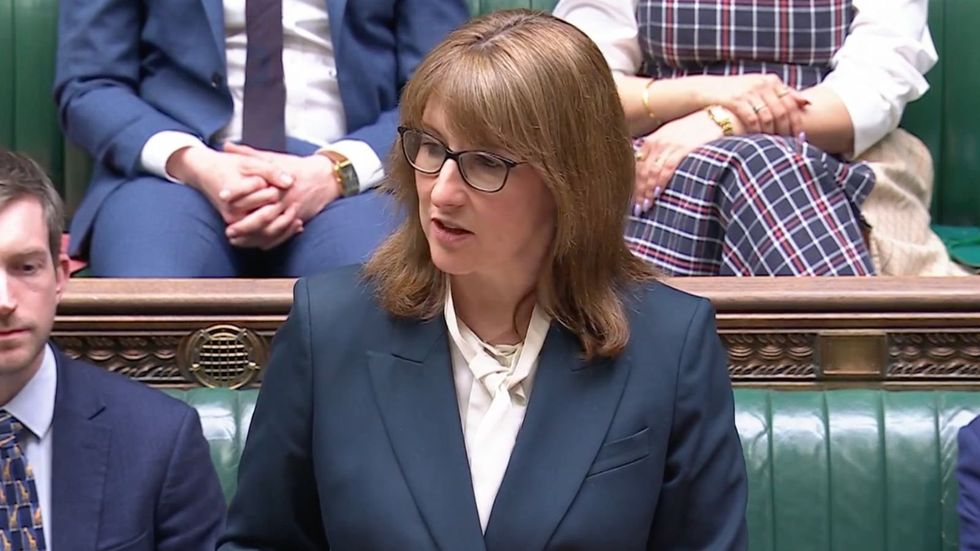
The Chancellor gave an energy bill support update yesterday in the House of Commons
| ParliamentPolicymakers said they remain prepared to take further action to return inflation to the two per cent target.
Market expectations have shifted, with investors now pricing in two quarter-point interest rate increases later this year.
Earlier forecasts had pointed towards potential rate reductions to support economic growth.
Ms Reeves said she would examine options for providing targeted support to households facing higher energy bills.
She told MPs on Tuesday that the Government is considering measures to assist families as they prepare for increased utility costs in the coming months.
Chief economist for the ONS, Grant Fitzner, said: "After last month's slowdown, annual inflation was unchanged.
"The largest upwards driver was the price of clothing, which rose this month but fell a year ago.
"This was offset by falls in petrol costs, with prices collected before the start of the conflict in the Middle East and subsequent rise in crude oil prices.
"A fall in the cost of alcoholic drinks due to promotion activity, compared with a rise last year, was also a downward driver, while little change in food prices, again compared with a small rise this time last year, added further downward pressure."
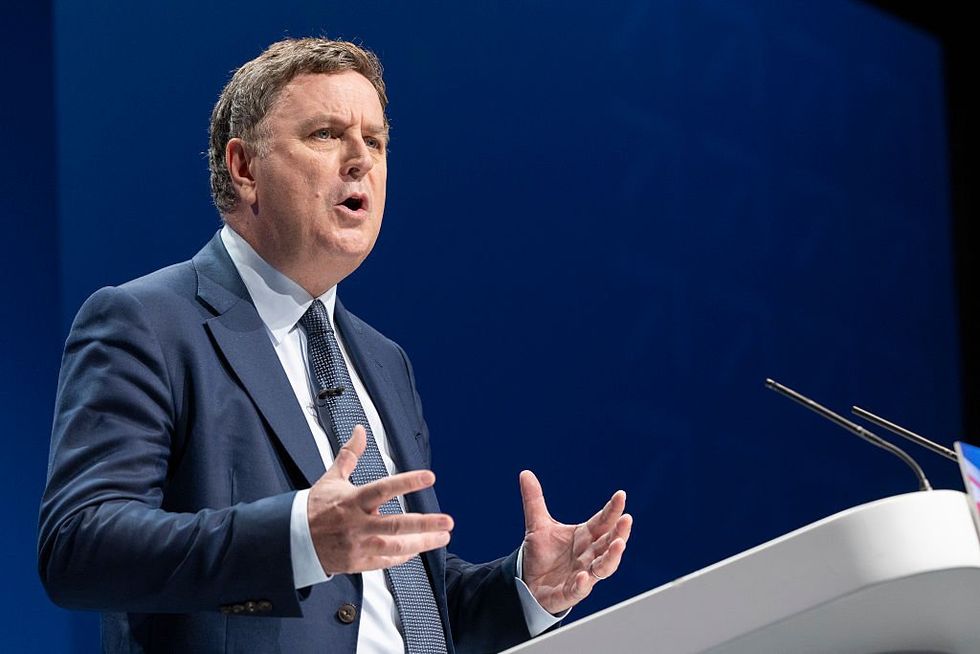
The Shadow chancellor said in his response to this morning's figures to call for the drilling of North Sea oil
|GETTY
The Conservatives have said the UK is "entering this latest energy crisis with the highest inflation in the G7 thanks to Labour’s mismanagement".
Taking to X, the Shadow chancellor Sir Mel Stride, said: "Under Rachel Reeves our economy is weaker and more vulnerable to external shocks.
"Today’s figures show the cost of living was already rising too fast for families who will now be bracing for the impact of events in the Middle East on their bills.
"The chancellor’s irresponsible decision to ramp up borrowing and spending while hiking taxes on businesses has fuelled inflation."
Sir Mel went on to say that the "net zero dogma means we are reliant on imports instead of taking advantage of our own resources in the North Sea", and went on to say that the Tories are the only party with "the plan and the leadership to get costs, bills and debt down".