




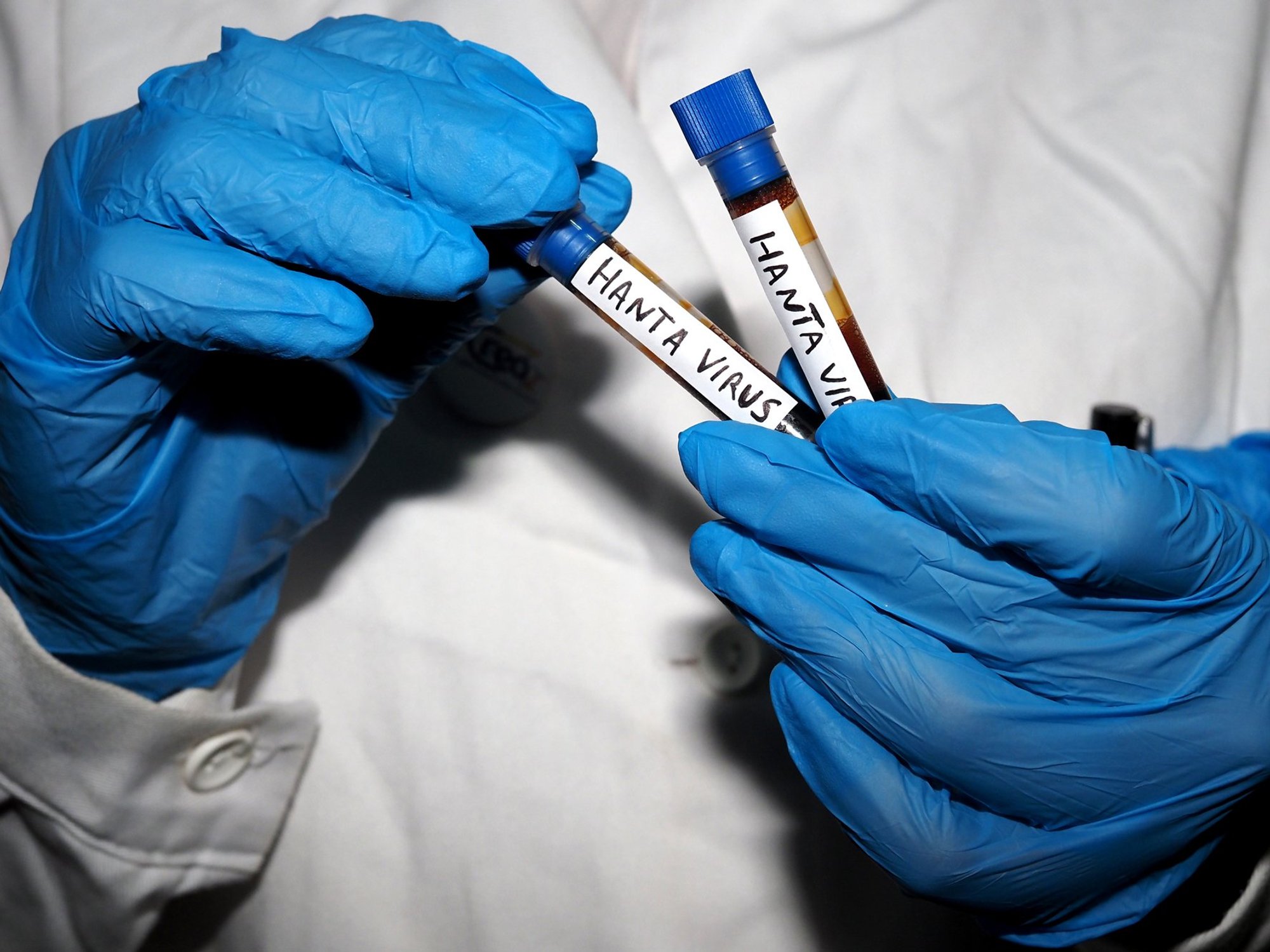





With freezing temperatures gripping Britain this winter, the vast majority of households are anxious about meeting their heating costs.
Research conducted by Barratt Homes has found that approximately 90 per cent of consumers worry about affording their energy bills during the colder months.
The financial pressure has pushed two-thirds of families to adopt extreme measures, with many restricting heating to just a single room in their homes.
However, scientists at Energy House 2.0, the country's largest energy research initiative have identified ways to cut one's energy bill for free.
Following 18 months of extensive testing, researchers discovered that adjusting the boiler's flow temperature represents the most effective method for reducing energy expenditure.
By lowering this setting from 80 degrees to 60 degrees, households can slash their gas consumption by 12 per cent.
The boiler flow temperature refers to how hot water is when it leaves the boiler and travels into the radiators. Most heating systems are factory-set to operate between 70 and 80 degrees Celsius by default.
According to the Energy House 2.0 team, combi-boilers in particular can maintain comfortable warmth throughout a property at just 60 degrees.
Homeowners may notice their radiators feel slightly cooler and rooms take marginally longer to reach the desired temperature. Yet for properties with adequate insulation, this difference is barely perceptible.
To make the adjustment on a combi-boiler, locate the dial or buttons displaying a radiator symbol, which controls the flow temperature. The instruction manual can provide specific guidance for individual models.
 Eligible UK households are set to receive energy bill support this month | GETTY
Proper insulation offers another route to significant savings, though it requires upfront investment. Installing mineral wool in a loft typically costs approximately £1,000 for a detached property.
The returns can be substantial, with Which? estimating annual bill reductions of around £340 for detached houses and £200 for semi-detached homes.
Older properties face particular challenges, as homes constructed before the 1920s often have solid walls with no insulation whatsoever. Modern new-builds, by contrast, must meet current building regulations and can be up to 65 per cent more efficient than their older counterparts.
"The large number of poorly insulated, older homes across the country can cause stress for those living in them as we approach winter," says Oliver Novakovic, Barratt Redrow's Innovation Lead.
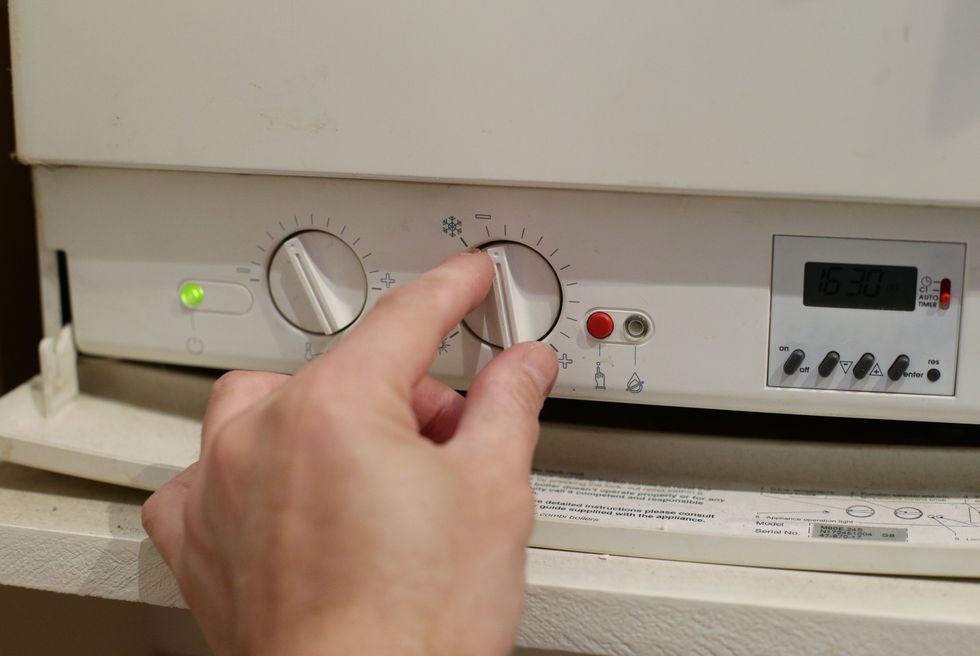 Britons are being urged to check their boiler | PA
ONS figures show 60 per cent of English homes have wall insulation rated average or better.
Tackling draughts represents another cost-effective strategy, though Novakovic emphasises this does not mean sealing a home completely. Controlled ventilation remains essential to prevent condensation and mould, particularly in kitchens and bathrooms.
"Try to locate draughty areas around your home so that you can fix them before the freezing temperatures set in," Mr Novakovic advises. "The gadget that will make a world of difference, when you're trying to work out why your house is cold, is a smoke pencil draught detector. You can pick one of these up for less than £50 to easily find the places where air is leaking."
Common problem spots include letterboxes, disused chimneys, door and window frames, and loft hatches.

Hardwood front doors in older properties are especially prone to gaps widening during cold weather as the wood contracts
| PAHardwood front doors in older properties are especially prone to gaps widening during cold weather as the wood contracts. Novakovic recommends fitting draught exclusion runners along door bottoms and gap sealers around frames.
Drawing curtains or blinds at night provides one of the simplest and cheapest methods for reducing heat loss, according to the research. Tests conducted in a full-scale house demonstrated that window coverings cut escaping warmth by between 10 and 30 per cent.
The effect works because fabric creates a pocket of still air between the glass and the room, functioning as an additional insulating layer. Standard household curtains and blinds proved effective, with no need for specialist thermal products.
Radiator placement significantly influences heat retention. Properties with radiators positioned directly beneath windows experience greater losses, as warm air rises against the cold glass and escapes outside.
In these situations, closing blinds or curtains delivers the most pronounced benefit by interrupting this heat flow and reducing draughts and window condensation.
More From GB News