









With energy bills still putting pressure on household budgets, some pensioners are finding new ways to cut costs while improving comfort at home.
One Norwich resident says the changes he made have delivered savings of more than £60 a month.
Keith Stork made the change to upgrade his home’s heating system, primarily to support his wife Elizabeth, who lives with lupus and needs a consistently warm home environment.
He said the decision was initially driven by environmental concerns, but quickly became about comfort and affordability.
"At first, it was about being green and saving the planet, but then it became about comfort. My wife Elizabeth has health issues, and my biggest priority is making sure she is always comfortable," Mr Stork explained.
"We wanted a heating system that would keep the house, and her, consistently warm and cosy. Heat pumps do that much better and for longer than traditional boilers, and they are cheaper too."
He added that once the new system was in place, adding renewable technology felt like a natural next step.
"Once I decided on the heat pump, adding solar panels just made sense. It’s a way to massively cut costs and help the planet at the same time," he said.
The couple are with Octopus Energy and has been using a heat pump for two to three years. They have combined the system with solar panels and battery storage, which has ultimately saved them an average of £63.29 a month on their energy bills.
Mr Stork paid for around three-quarters of the installation using a small pension of about £10 a week, believing it was a better use of the money
He said: "I used a small pension that wasn’t worth much, about £10 a week, otherwise, and it covered around three-quarters of the cost. I thought it was a more sensible use of the money, and I’ve already saved more in energy costs per week than I would’ve received from the pension."
Homeowners looking to follow Mr Stork's example can now access significant government support through the £15billion Warm Homes plan.

Keith and Elizabeth Strork are saving £63.29 on average per month
|OCTOPUS
Under the flagship scheme, households can receive grants of up to £7,500 to replace gas boilers with heat pumps, while major banks and mortgage providers are offering cashback of up to £2,000 for eligible customers.
Low and zero-interest loans will also be available to help homeowners install solar panels, heat pumps and battery storage systems.
Low-income households are set to benefit from £5billion of public investment to fund free insulation and clean energy upgrades.
LATEST DEVELOPMENTS:
- Households could get free solar panels and batteries under Labour's £15bn plan to cut energy bills
- 'It's like free electricity' - Grandfather explains how he cut his energy bills by over £60 a month
- Octopus Energy launches 'groundbreaking' tariff cutting energy bills by £200 for thousands of homes
Additional funding of £2.7billion will flow through a new warm homes fund investment facility designed to finance home improvements. Heat pumps operate by extracting warmth from outside air and transferring it indoors, functioning essentially as a reverse air conditioning unit.
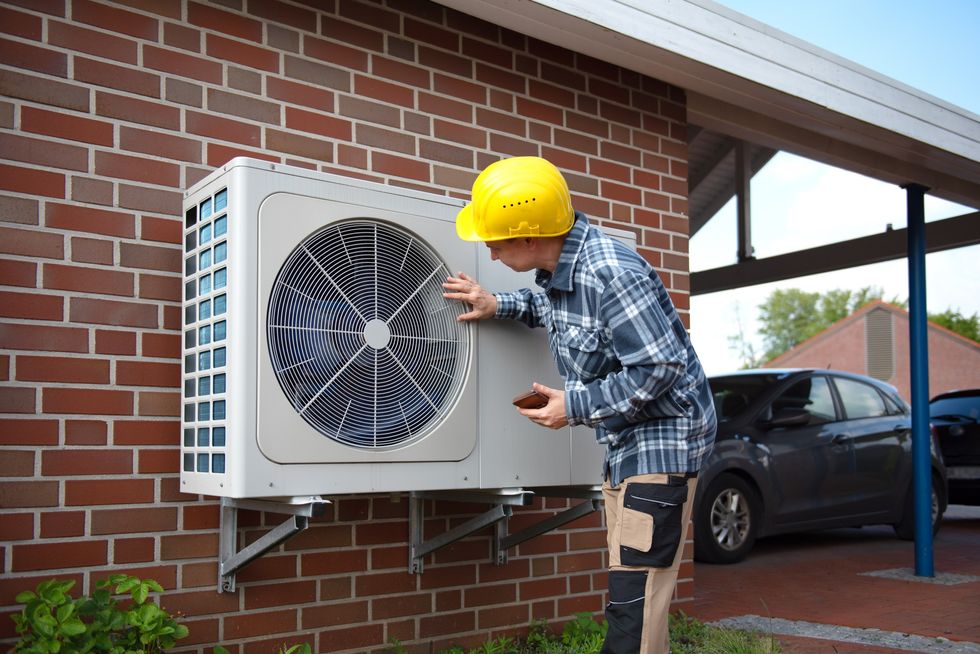
Mr Stork made the change to upgrade his home’s heating system, primarily to support his wife Elizabeth
| GETTYThe technology delivers up to four times greater energy efficiency compared to even the best-performing gas boilers when generating equivalent heat levels.
Households making the switch could slash their carbon emissions by approximately 80 per cent. Unlike conventional boilers that produce intermittent bursts of intense heat, heat pumps maintain a constant, gentle warmth throughout the day.
This steady temperature output explains their widespread adoption in colder Nordic nations such as Norway and Sweden.
Heat pumps also outlast their gas-powered counterparts significantly, with an average operational lifespan of 20 years compared to 15 years for traditional boilers.
Mr Stork continued: "The heat pump keeps the house consistently warm, unlike the on-and-off heating of a traditional boiler. The radiators are warm to the touch, and the house feels comfortable all day.

Keir Starmer explained that a warm home should not be a privilege, it should be a "basic guarantee for every family in Britain"
| GETTY"It feels great to be helping the planet, and saving money - without any drawbacks. My wife, Liz loves to sit right by the radiators and build her puzzles. It makes me happy to see her there, happy as a clam."
Sir Keir Starmer described the initiative as evidence that ministers are tackling the cost-of-living crisis head-on.
He said: "A warm home shouldn't be a privilege, it should be a basic guarantee for every family in Britain. Today's plan marks a turning point. It will help to slash energy costs and lift up to a million people out of fuel poverty."
The programme targets upgrades across five million properties, with ambitions to remove up to one million households from fuel poverty by 2030
Typical heat pump installation costs currently sit at around £3,818, falling below the national average of £5,295.
Environmental groups and anti-poverty campaigners have welcomed the measures whilst urging further action to address what they termed the scandal of families living in cold, damp properties while struggling with energy costs.