









The Labour Government has set out a £15billion Warm Homes scheme that could allow thousands of households to access free solar panels and battery storage.
Under the scheme, up to five million homes are set to receive upgrades designed to cut energy bills and reduce reliance on fossil fuels.
Ministers say the plan could lift as many as one million households out of fuel poverty by the end of the decade.
The programme combines free support for low-income families with financial help for homeowners who want to install clean energy technology.
Prime Minister Sir Keir Starmer said: "A warm home should not be a privilege, it should be a basic guarantee for every family in Britain." He added: "Today’s plan marks a turning point. It will help to cut energy costs and lift up to a million people out of fuel poverty."
Low-income households will be eligible for free energy-saving improvements tailored to their individual homes
These upgrades can include insulation as well as technology such as solar panels and battery storage, with the total value of the package potentially running into thousands of pounds.
Some £5billion of public investment has been allocated to support these upgrades for households struggling with energy costs, according to officials from the Department for Energy Security and Net Zero.
The programme extends beyond individual properties as there could also be upgrades to entire streets of social housing, officials said.
Energy Secretary Ed Miliband described the current situation as unacceptable, stating: "It is a scandal that millions of people in our country do not have the security of a home that is warm, affordable and safe." He continued: "With this investment, we embark on a national project to turn the tide waging war on fuel poverty."
Homeowners who want to switch to renewable energy will be able to access government-backed loans at zero or low interest rates. The loans can be used to install rooftop solar panels, battery storage and heat pumps, making it easier for households to invest in clean energy.
This scheme will run alongside the existing boiler upgrade programme, which offers grants of £7,500 to households replacing traditional boilers with heat pumps. In addition, new rules under the Future Homes Standard will require solar panels to be fitted as standard on newly built homes.
A Labour source emphasised the voluntary nature of the transition, saying: "We believe in empowering consumers to make choices about what works for them, not banning one technology or another."
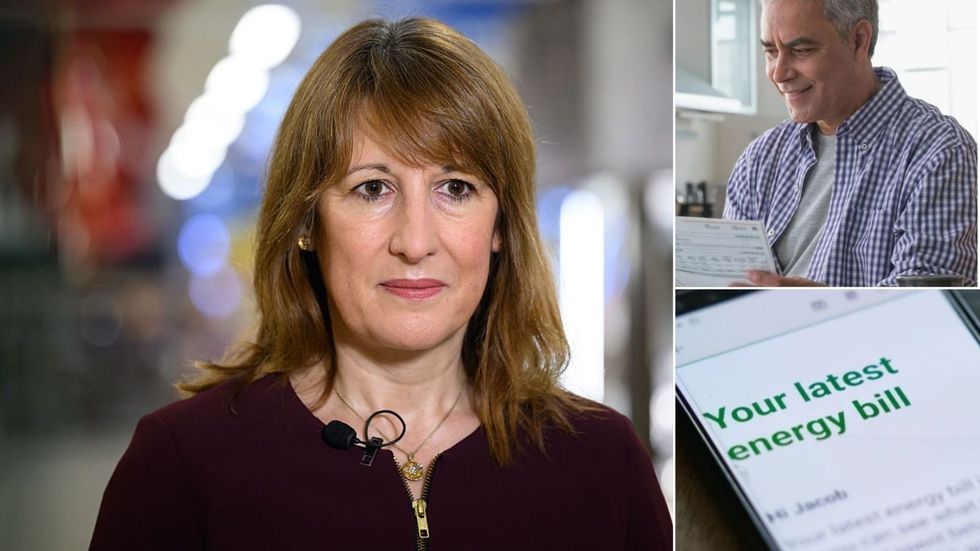
Around six million households will receive a £150 Warm Home Discount
|GETTY
The source added: "Demand is growing for clean tech and we want to lean into it by making these products the cheaper choice."
The £15billion programme breaks down into several distinct funding streams targeting different aspects of home energy improvement.
Beyond the £5billion earmarked for low-income household support, some £2billion has been set aside for consumer loans enabling homeowners to finance their own upgrades.
LATEST DEVELOPMENTS:
- 'It's like free electricity' - Grandfather explains how he cut his energy bills by over £60 a month
- Octopus Energy launches 'groundbreaking' tariff cutting energy bills by £200 for thousands of homes
- State pensioners offered free air fryers to cut energy bills
The boiler upgrade scheme receives £2.7billion to fund heat pump grants, while an equivalent sum will flow through a new Warm Homes Fund investment facility designed to support innovative financing for property improvements.
Heat network development across the country will benefit from £1.1billion in dedicated funding. A further £1.5billion covers additional programmes including allocations for the devolved administrations in Scotland, Wales and Northern Ireland.
A newly established Warm Homes Agency will coordinate delivery of efficiency upgrades, with local mayors given responsibility for driving improvement programmes in their areas.
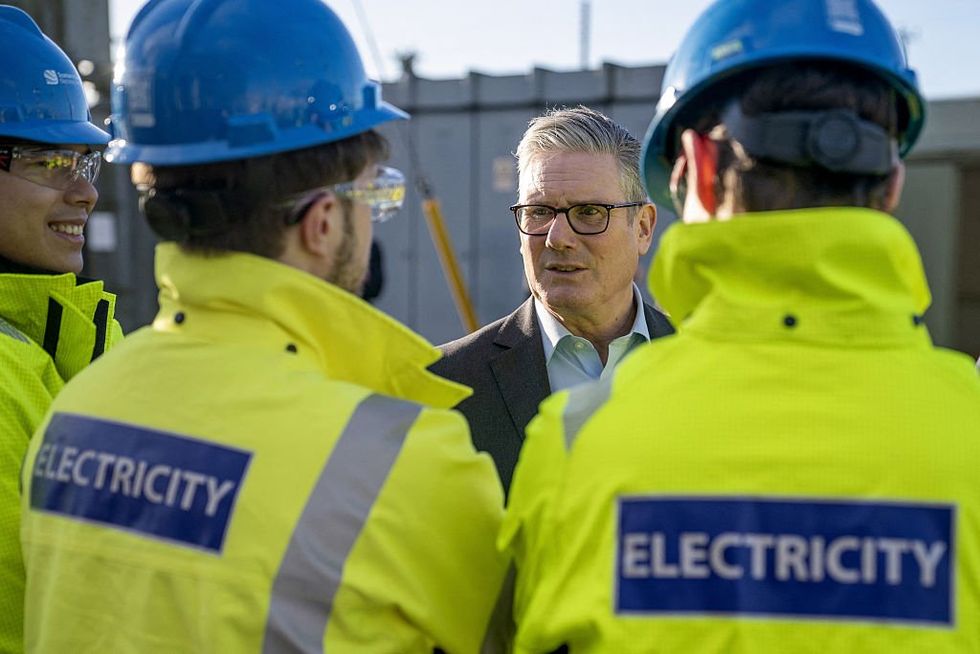
Prime Minister Sir Keir Starmer said: "A warm home should not be a privilege, it should be a basic guarantee for every family in Britain."
|GETTY
The Prime Minister framed the announcement as evidence that ministers are addressing household financial pressures, with the measures following budget changes expected to reduce average energy bills by £150 from April.
Around six million households will also receive a £150 warm homes discount, the Government confirmed.
Greg Jackson, founder of Octopus Energy, endorsed the strategy, saying: "The Warm Homes Plan is a really important step forward. Electrifying homes is the best way to cut bills for good and escape the yoyo of fossil fuel costs."
He noted that solar panels combined with battery storage deliver electricity when households need it most, while heat pumps paired with solar can prove "dramatically cheaper" to operate.
Jackson added: "This plan sends a clear signal that the future of home heating is electric."
The Government has also set a target for at least 70 per cent of heat pumps installed in Britain to be manufactured domestically.
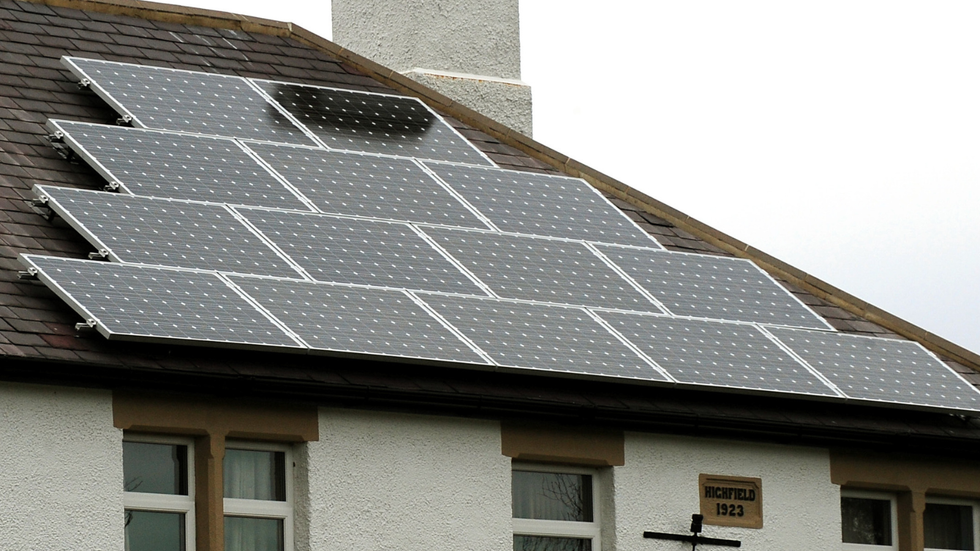
Homeowners who want to switch to renewable energy will be able to access government-backed loans at zero or low interest rates
| PAAnti-fuel poverty campaigners broadly welcomed the initiative but stressed that significant challenges remain before the programme can achieve its goals.
Simon Francis, coordinator of the End Fuel Poverty Coalition, described the plan as "a rescue mission for the coldest, dampest homes in Britain" that could potentially "save lives, cut NHS costs and permanently slash energy bills for those in fuel poverty."
However, he cautioned that additional reforms would be necessary, including measures to reduce electricity costs and provide financial assistance to households awaiting improvements.
Mr Francis emphasised: "If delivery matches ambition then this could be the biggest breakthrough in tackling fuel poverty in a generation, but now the hard work begins."
Mike Childs, head of policy at Friends of the Earth, offered qualified support, calling the plan "a welcome step forward" but warning that "without more investment it will fall far short of what's needed to protect people's health."
More From GB News