










British households could be entitled to claim back as much as £255 from their energy suppliers by applying a straightforward two-month guideline.
Energy regulator Ofgem has revealed that approximately £3.09 billion in customer credit remains sitting unclaimed with providers across the country.
The substantial sum represents money that belongs to billpayers who have overpaid through their direct debit arrangements.
Financial expert Martin Lewis, known for his appearances on BBC and ITV, has highlighted that energy companies are holding onto more than £3billion of their customers' funds.
Millions of people may be unaware they have built up significant credit balances with their suppliers.
The principle behind reclaiming this money is relatively simple.
Those paying by direct debit should consider requesting their excess funds back when their account shows more than two months' worth of payments in credit.
This surplus typically builds up during warmer months when households consume less gas and electricity.

Mr Lewis has explained the two month rule
| GETTYHowever, their fixed monthly payments continue at the same rate, creating a growing credit balance.
Mr Lewis pinpointed November as the point when these credit balances tend to peak for most customers.
To retrieve the money, billpayers simply need to get in touch with their energy supplier and ask for the surplus to be returned.
Mr Lewis emphasised the importance of verifying meter readings are current before examining account balances. He recommended comparing credit or debt levels against usage patterns to determine whether refunds are warranted.
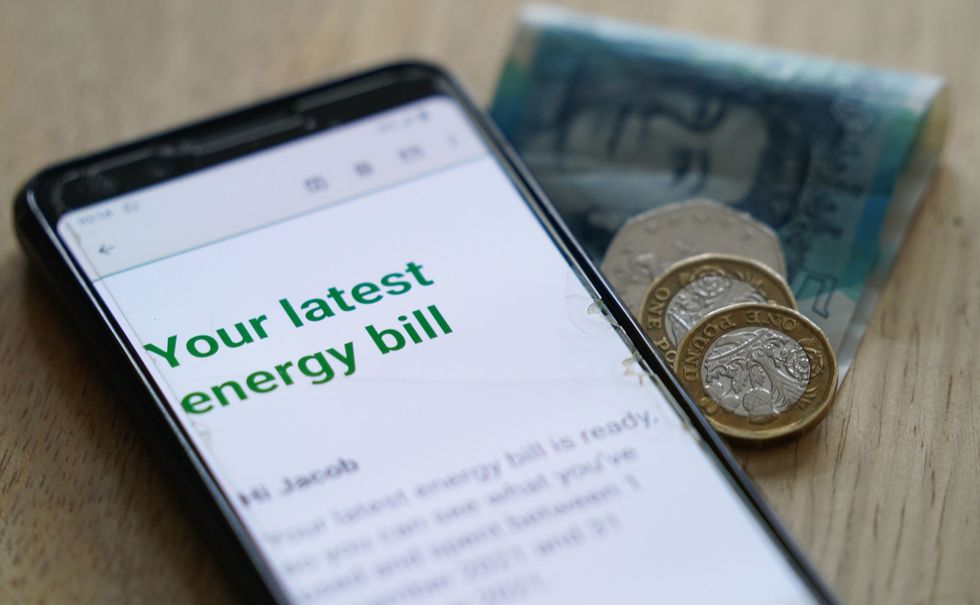
To retrieve the money, billpayers simply need to get in touch with their energy supplier and ask for the surplus to be returned
| PAMr Lewis said: "The perfect time to do this is in May, when a normal situation would be to have little energy credit or be a month or so in energy debt - so if you've a lot of credit then, it's too much."
He added: "Alternatively look in November, when you'd expect to be at most two-and-a-half months in energy credit. If you've far more, it's likely too much (though it does depend on how prices are moving)."
For those checking their accounts at other times of the year, Lewis offered practical guidance on maintaining flexibility with calculations.

Customers should avoid being overly precise when assessing their balances
| GETTY / PAMr Lewis said: "Yet even if it's another time of year, it should give you a scale of whether you're likely to be in credit or debt, but always add a month or so wriggle room - don't try to make this too overfine a calculation."
The money experts advice suggests customers should avoid being overly precise when assessing their balances.
Building in some buffer allows for fluctuations in energy prices and seasonal usage variations that might affect how much credit is genuinely excess.
More From GB News