







HMRC has updated its latest advisory fuel rates for company car drivers of petrol, diesel and electric vehicles, which will take effect next week on March 1.
The quarterly update shows that petrol and diesel reimbursement rates remain unchanged from the December figures, while drivers of Liquefied Petroleum Gas (LPG) vehicles face reductions and electric car users see a mix of increases and steady rates depending on how they charge.
Under the new measures, petrol-powered company cars will continue to attract the same mileage payments as in the previous quarter.
Meanwhile, vehicles with engines of 1,400cc or smaller will be reimbursed at 12p per mile, marking the same rate as December 2025.
TRENDING
Stories
Videos
Your Say
In a statement alongside the published guidance, HMRC said the rates "allow businesses to reimburse employees fairly without triggering tax charges" and that they are reviewed "every quarter to reflect current fuel and electricity costs."
Mid-sized engines between 1,401cc and 2,000cc remain at 14p per mile, and larger engines over 2,000cc continue at 22p per mile. The unchanged rates reflect current petrol prices of 132p per litre.
Similarly, diesel company cars will see no changes compared with the December rates.
Cars with engines up to 1,600cc continue to receive 12p per mile, while engines between 1,601cc and 2,000cc remain at 13p.
Diesel engines larger than 2,000cc continue to qualify for 18p per mile. These figures are calculated using a diesel price of 141.3p per litre.
For both petrol and diesel drivers, the stability in rates offers some certainty amid fluctuating fuel costs.
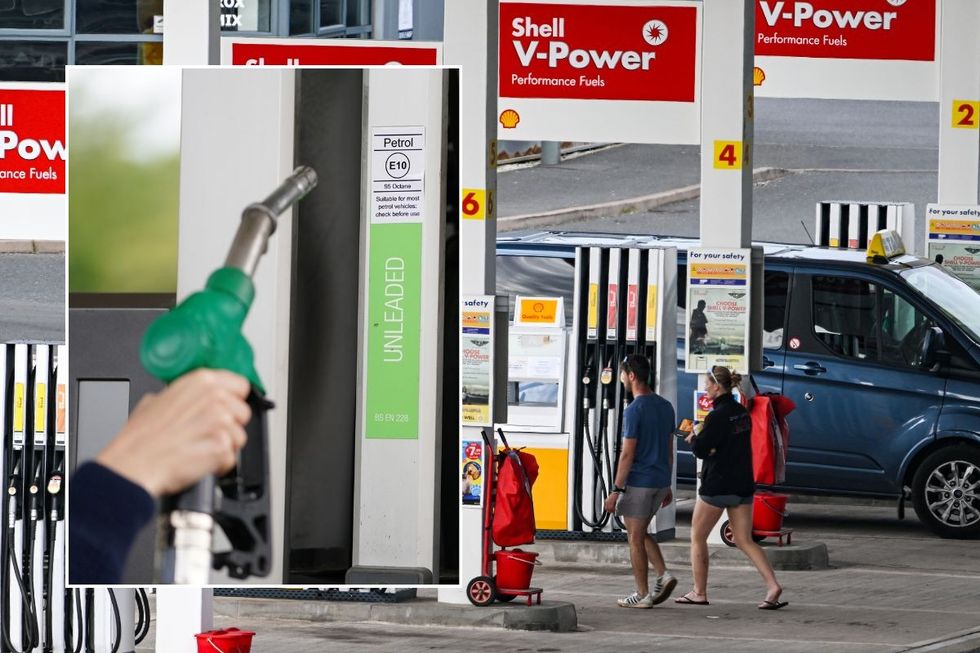
HMRC will unveil new advisory fuel rates next week
| PA/GETTYIn contrast, the update will see drivers of LPG-powered vehicles notice a reduction in reimbursement rates across all engine sizes.
Small LPG engines of 1,400cc or less drop from 11p to 10p per mile, representing a 1p decrease compared with last quarter.
Mid-sized engines between 1,401cc and 2,000cc fall from 13p to 12p per mile.
The largest LPG vehicles with engines over 2,000cc see the biggest cut, dropping from 21p to 19p per mile.
These reductions are based on an LPG price of 89p per litre, with fuel consumption set 20 per cent lower than petrol equivalents due to the fuel's lower energy content.
HMRC's guidance notes: "A higher amount than the advisory rates can be used as long as you can show that the fuel cost per mile is higher," meaning drivers at ultra‑fast chargers can claim above the standard rate if they provide evidence of higher costs.
LATEST DEVELOPMENTS

HMRC updates the advisory fuel rates every three months
| GETTYElectric vehicle users experience a more varied picture. Home charging rates remain at 7p per mile, unchanged since December, when they were reduced from 8p.
This rate is calculated from a domestic electricity cost of 26.1p per kilowatt-hour and an average efficiency of 3.59 miles per kilowatt-hour.
However, those relying on public charging networks will see an increase.
The advisory rate for public charging rises from 14p to 15p per mile, reflecting higher electricity costs at slow and fast chargers under 50kW.
Drivers using ultra-fast chargers may claim more if they can prove their actual costs exceed the standard advisory rate.
HMRC stated that these advisory fuel rates apply only to employees who drive company cars.
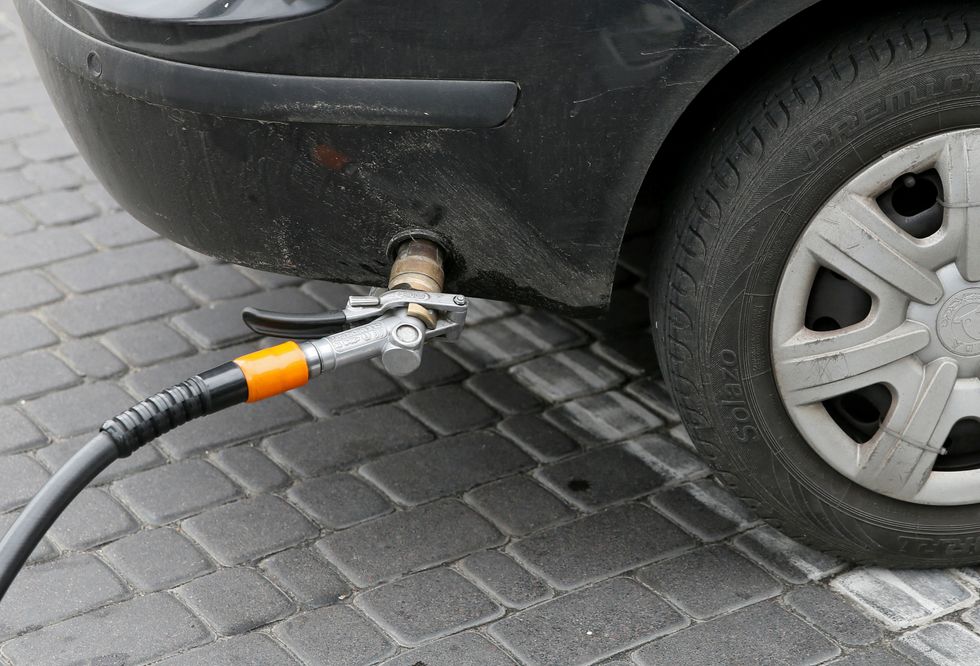 HMRC also includes advisory fuel rates for vehicles powered by LPG | REUTERS
The Government department did note that the rates do not cover staff using their own vehicles for business purposes.
Hybrid vehicles are reimbursed according to their main fuel type, either petrol or diesel.
Employers use these rates to reimburse business mileage and to calculate any personal use charges for company cars.
The advisory rates are reviewed quarterly in March, June, September, and December.
Updated figures are usually published about a week before they take effect.
Companies may continue using the previous quarter's rates for up to one month after the new rates begin, HMRC stated.