










More than 10,000 UK manufacturers will see their electricity bills slashed under Government plans to deal with soaring energy costs.
The discounted electricity scheme has been expanded from 7,000 businesses to 10,000 as the conflict in the Middle East pushes energy prices higher.
Eligible companies will be exempt from three green levies on their electricity bills, cutting costs by up to 25 per cent.
Chancellor Rachel Reeves said the move would help businesses “to compete, win and create good jobs across the country”.
TRENDING
Stories
Videos
Your Say
She announced the action to support firms after warning over the lingering impact of the Iran war on inflation and economic growth.
Ms Reeves, who is in Washington for the International Monetary Fund spring meetings, said the plan will help UK businesses compete and create jobs despite the uncertain economic backdrop.
Industry leaders hailed the move as “a significant step” towards addressing the high energy costs they say are undermining UK companies on the world stage.
Last summer, the Government announced a plan to cut electricity bills by up to 25 per cent for more than 7,000 UK businesses, as part of a 10-year industrial strategy.
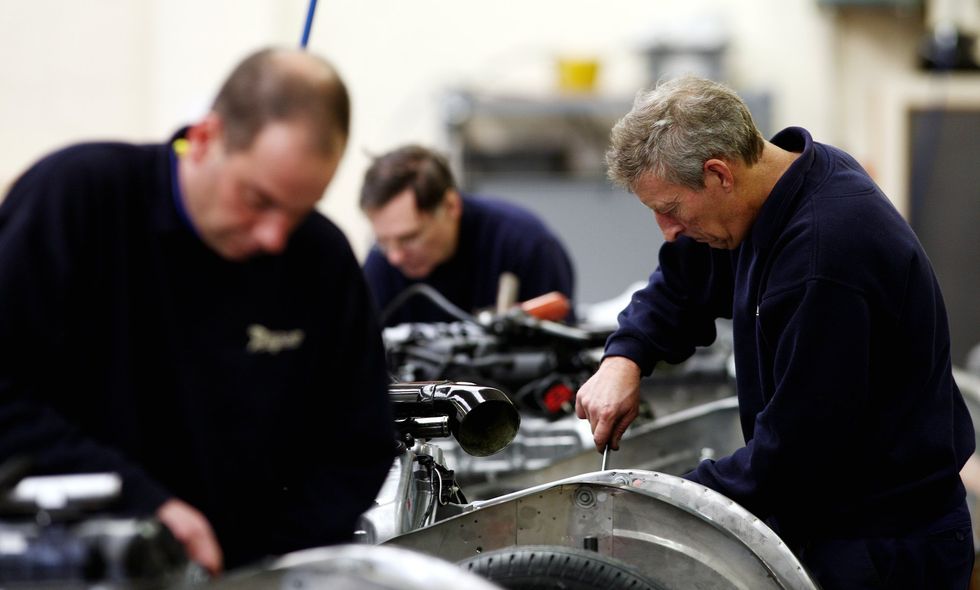
Many UK manufacturing companies are set for electricity bill relief
|PA
It has now revealed plans to expand this to cover 10,000 firms, a 40 per cent increase.
The British Industrial Competitiveness Scheme (BICS) will cut costs by up to £40 per megawatt-hour from 2027 by exempting businesses from the Renewables Obligation, Feed-in Tariffs and the Capacity Market.
These are extra charges that currently support green energy and back-up power supply systems.
Although the scheme goes live next year, a one-off payment in 2027 will cover the support firms would have received if the BICS had been in place from this month.
LATEST DEVELOPMENTS
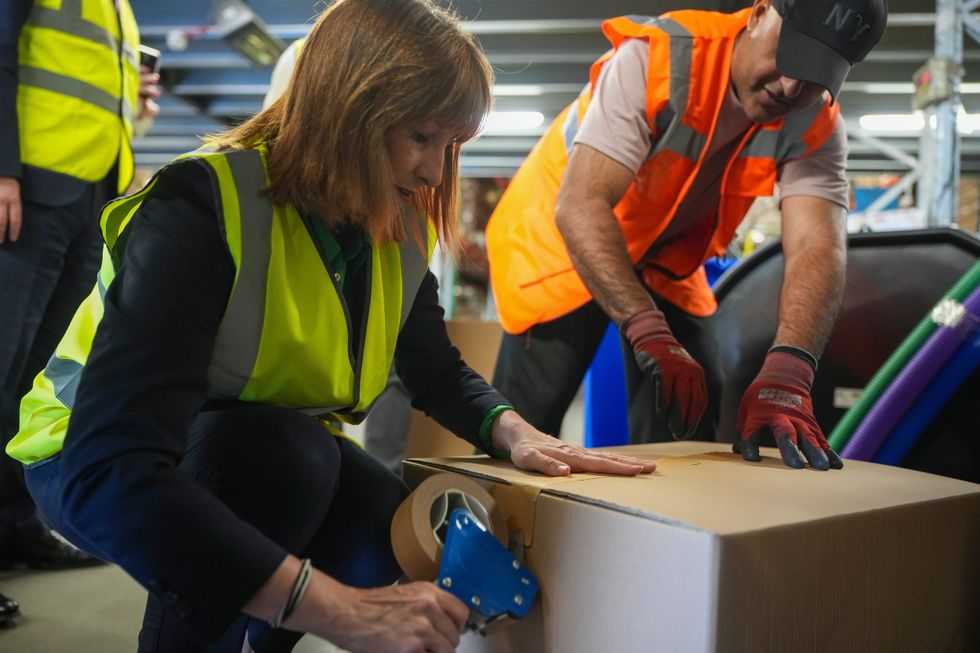
Rachel Reeves is under pressure to support British business
|PA
The BICS scheme is expected to be worth up to £600 million per year from next April.
Household bills will not be affected, with funding coming from the Exchequer and “changes within the energy system”.
Ms Reeves said: “This Government has the right plan for the economy: backing British industry, cutting electricity costs, and building a stronger, more resilient future.
“Today’s announcement will cut energy bills for over 10,000 manufacturers, helping businesses to compete, win and create good jobs across the country, and to deliver our modern industrial strategy.”
Business Secretary Peter Kyle said: “We are a government of action, and when global instability puts businesses under pressure we’ll always do what’s needed to support them and ensure Britain’s resilience.
“By extending the reach of BICS by 40 per cent, we’re acting decisively to tackle the number one issue that businesses face head-on.”
The move was welcomed by industry leaders. Rain Newton-Smith, director general at the CBI, said: “This move marks a significant step towards addressing the high energy costs that are placing growing financial pressure on UK businesses and undermining their international competitiveness.
“By expanding eligibility and introducing backdated payments to the British Industrial Competitiveness Scheme, the Government has shown it is listening to firms grappling with volatility in global energy markets.
“As the UK looks to reshape and modernise its industrial base, this decision provides an opportunity to rethink how we fund our energy infrastructure.
“Extending this competitiveness-first approach across the wider economy could help support growth.”
Mike Hawes, chief executive of car industry trade body, the SMMT, said the move was a “major win” for his sector. He predicted it would help bring investment to the UK.
He said: “The final design of the British Industry Competitiveness Scheme is a major win for Britain’s automotive manufacturers, promising to drive down industrial energy costs and boost competitiveness.
"This decisive first step answers our longstanding calls for energy support that reaches the whole of the automotive manufacturing supply chain and recognises the sector’s critical contribution to the UK economy. “It sends a clear and immediate signal that we are open for business and a prime destination for investment.”