








India has been urged to "follow its own law" over a British man detained without trial for more than seven years.
Christian Michel is accused of bribing Indian officials to win a multimillion-pound helicopter contract for British-Italian defence company AgustaWestland, which was signed in 2010.
The 64-year-old, who denies the charge, was extradited from the United Arab Emirates (UAE) to India in 2018 and has since been in custody in New Delhi’s Tihar Jail.
Mr Michel has been behind bars for more than the maximum sentence for the alleged corruption offence he was extradited for, but has still not been released.
This is because India later levelled an additional charge against him that was not included in the extradition agreement: forgery of valuable security, which carries life imprisonment.
This is despite a domestic law, Section 21 of the Extradition Act, that bans new charges from being added after extradition to India unless the person commits a new offence after their arrival.
An Indian High Court judgment ruled that Article 17 of the India-UAE Treaty allows for "connected offences" to be added to charges.
Mr Michel’s case is set to be heard by the Supreme Court of India in July.
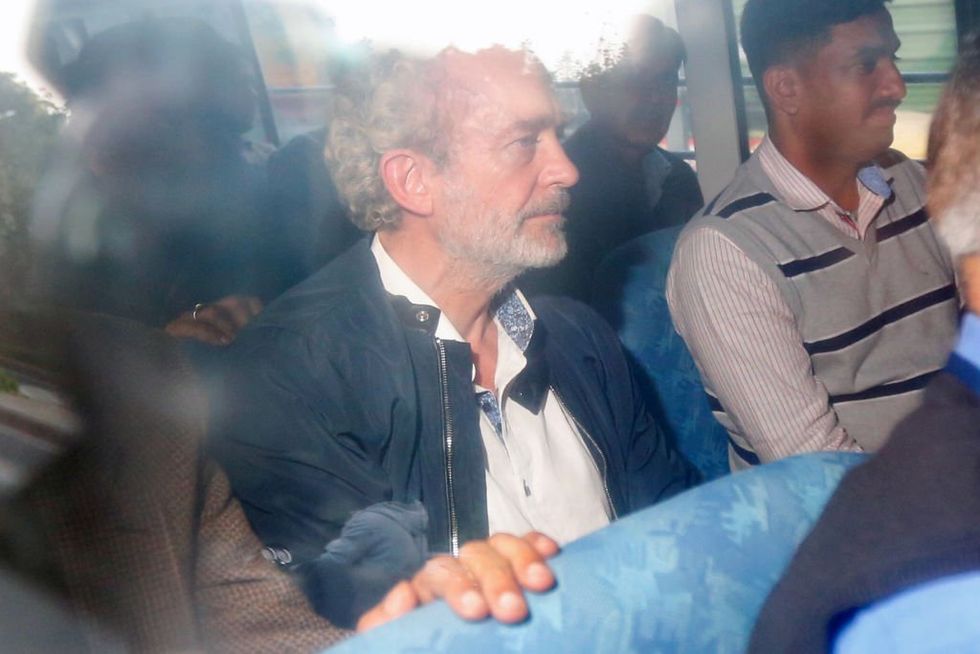
Christian Michel, the alleged middleman in a deal between India and Anglo-Italian helicopter firm AgustaWestland, pictured in 2018
|GETTY
Billionaire diamond merchant Nirav Modi has been in custody in London since 2019, accused of defrauding Punjab National Bank of around £1.3billion and is wanted for prosecution in India.
His extradition to India was approved in March but the decision is the subject of an appeal at the European Court of Human Rights.
The March judgment cited an undertaking given to the British Government by Rakesh Pandey, joint secretary at the ministry of home affairs in India.
It read: "In accordance with the rule of specialty, Mr Nirav Modi will not be subjected to any trial concerning offences beyond the scope of the extradition offences without taking consent of the Government of the UK."
LATEST DEVELOPMENTS
- Indian care worker awarded nearly £30,000 after UK employer that sponsored him failed to provide work
- Green MSP who claimed to have ‘grown up starving’ in India exposed as privately educated with privileged upbringing
- Keir Starmer wants to 'fly the flag for British businesses' during largest ever trade mission to India
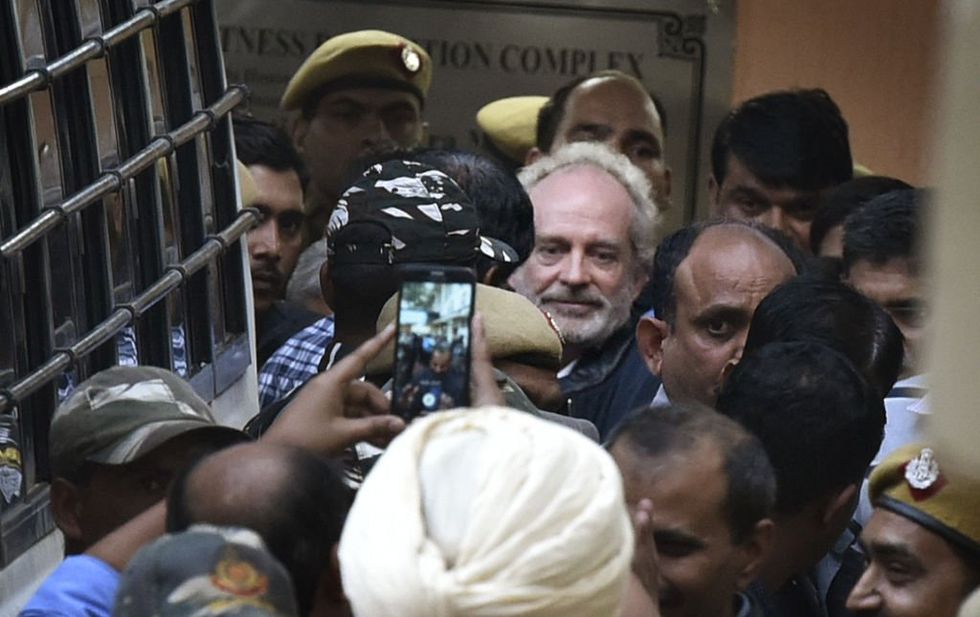
Christian Michel leaves court
|GETTY
Mr Michel’s son Alois, 28, told reporters that India is using Section 21 of the Extradition Act as a "shield" for Mr Modi, but a "sword" against his father.
He argued that, in Mr Modi’s case, the law is framed as an "absolute, consent-requiring protection", but for Mr Michel, it argues that the India-UAE treaty creates implied UAE consent for "connected offences", effectively bypassing the need for explicit Section 21 protection.
Alois Michel said: "All my father has ever asked for is exactly what India is promising Nirav Modi right now. Simply for India to follow its own law.
"That’s it. No special treatment. No political favour. Just respecting their own law and, therefore, applying the same guarantee India is giving to a British court, to my father already sitting in an Indian prison for over seven years with no trials."
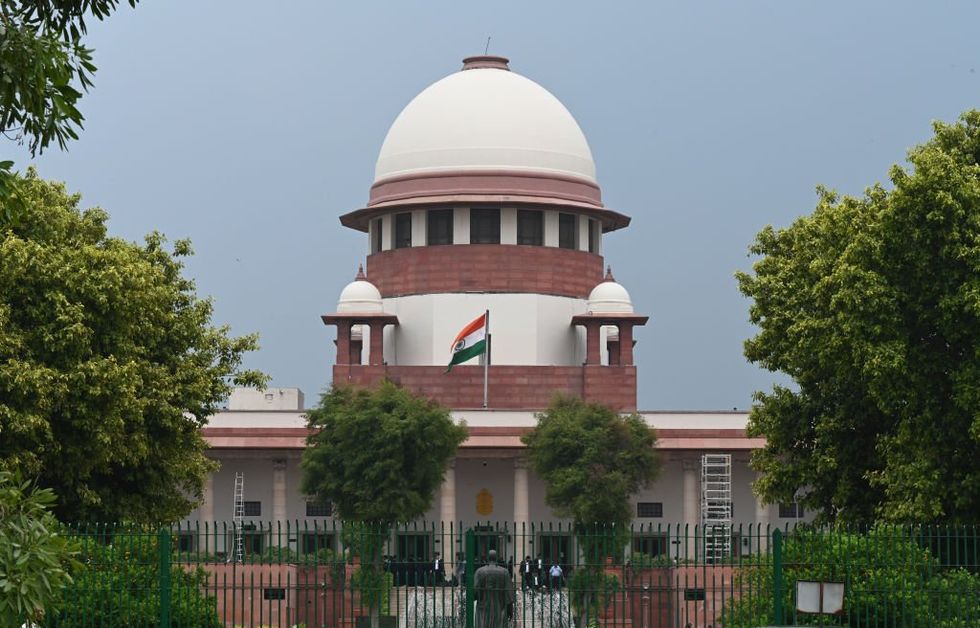
The Supreme Court of India will hear the case in July
|GETTY
In Mr Modi’s UK proceedings, Mr Michel is cited by name as an example of an extraditee subject to treatment inconsistent with India’s diplomatic assurances.
The judgment from Justices Jeremy Stuart-Smith and Robert Jay of the High Court of England and Wales reads: "Mr Fitzgerald (Modi’s lawyer) relied on the fact that other extraditees have been interrogated following extradition, including Mr Christian Michel whose case was specifically addressed by this court in Bhandari."
India did not dispute this, but promised that Mr Modi’s case would be different.
The judgment reads: "Understandably, the GoI (Government of India) has not sought to contend that the findings in Bhandari do not apply to Mr Modi but rests its case entirely on the quality of the assurances that it has given."
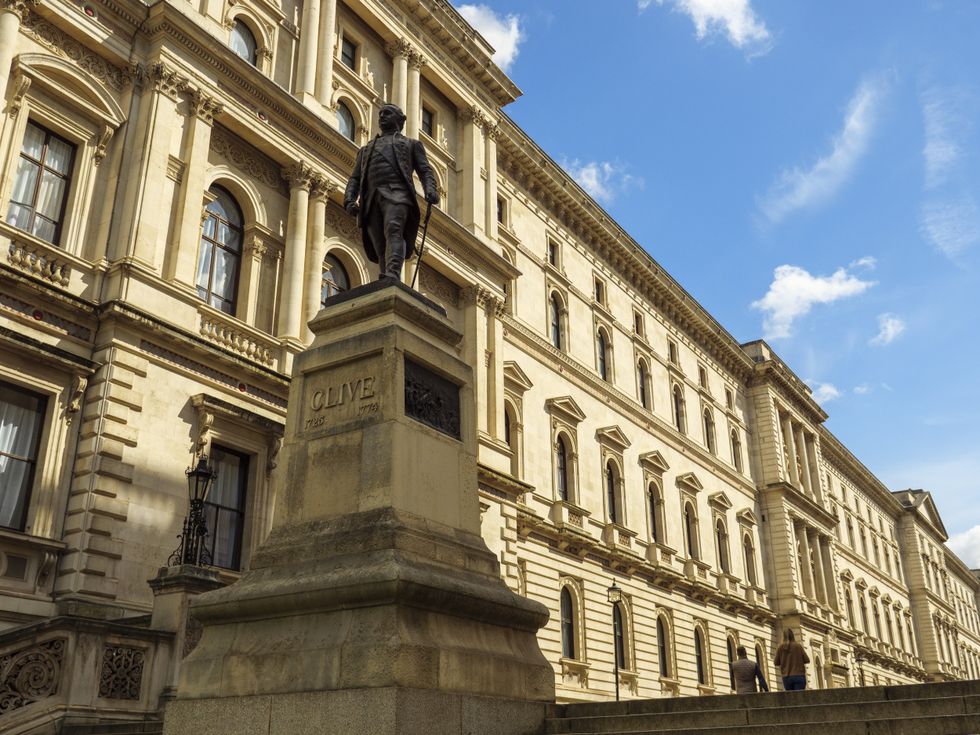
The Foreign Office confirmed they wanted to see the case resolved 'as soon as possible'
| GETTYMr Michel’s family is set to meet Foreign Office minister Seema Malhotra before the Supreme Court hearing.
A Foreign Office spokesman said: "The UK Government is committed to seeing Christian Michel’s case resolved as soon as possible.
"We continue to provide consular assistance to Mr Michel and his family and have consistently raised his case directly with the government of India."