










Britain's Asian hornet population could surge as soaring temperatures raise fears of an invasive species explosion this summer.
Experts have warned that warmer conditions may trigger a significant increase in queen activity among the predatory insects.
The Met Office has forecast exceptional warmth this year, building on an already unusually mild spring.
Luke Newnes, an Asian hornet specialist, said: "With 2026 is tracking as one of the warmest years in recent records, the warmer conditions are likely to accelerate emergence activity."
The warning comes after Britain broke its hottest May night record on three consecutive evenings last week.
Asian hornet numbers have already risen sharply, with nest numbers increasing from just 24 in 2024 to 161 across Britain.
A single nest can generate dozens of queens, meaning one overlooked colony could spawn 30 additional nests the following season.
Mr Newnes said: "The concern with Asian hornets is how quickly populations can scale once queens establish successfully."
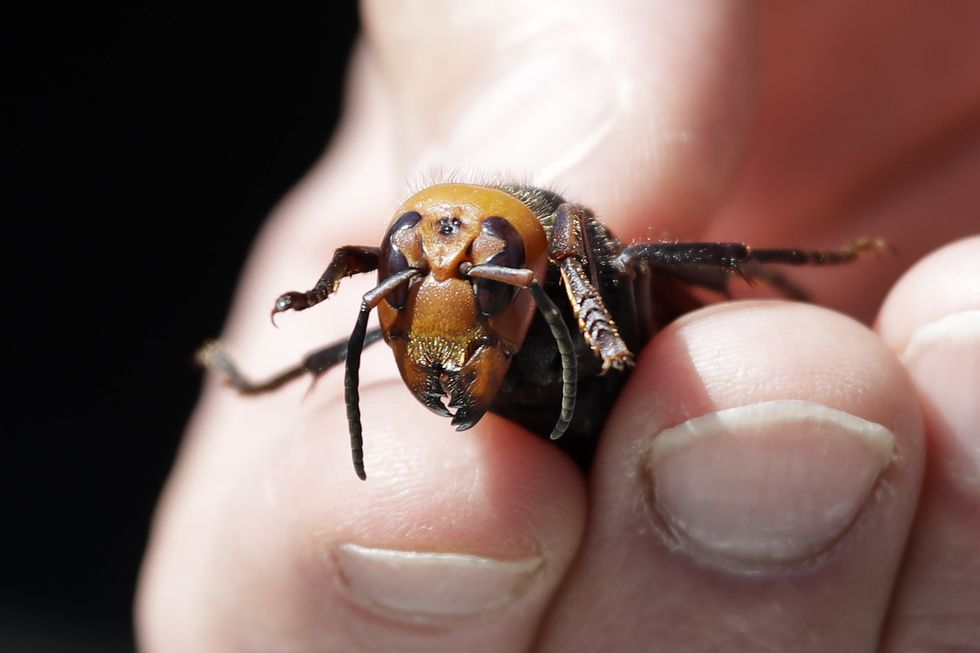
Experts have warned that warmer conditions may trigger a significant increase in queen activity among the predatory insects
|GETTY
These predatory insects consume roughly 11 kilograms of other insects annually, with honeybees making up roughly a third of their diet.
Moths, flies, butterflies and various bee species account for the remainder, placing Britain's pollinator populations under threat.
Experts now believe the battle against Asian hornets has fundamentally changed, with complete eradication no longer considered realistic.
Mr Newnes said: "What makes 2026 particularly concerning is the acceleration we're now seeing in both sightings and geographical spread."
ANIMALS - READ THE LATEST:
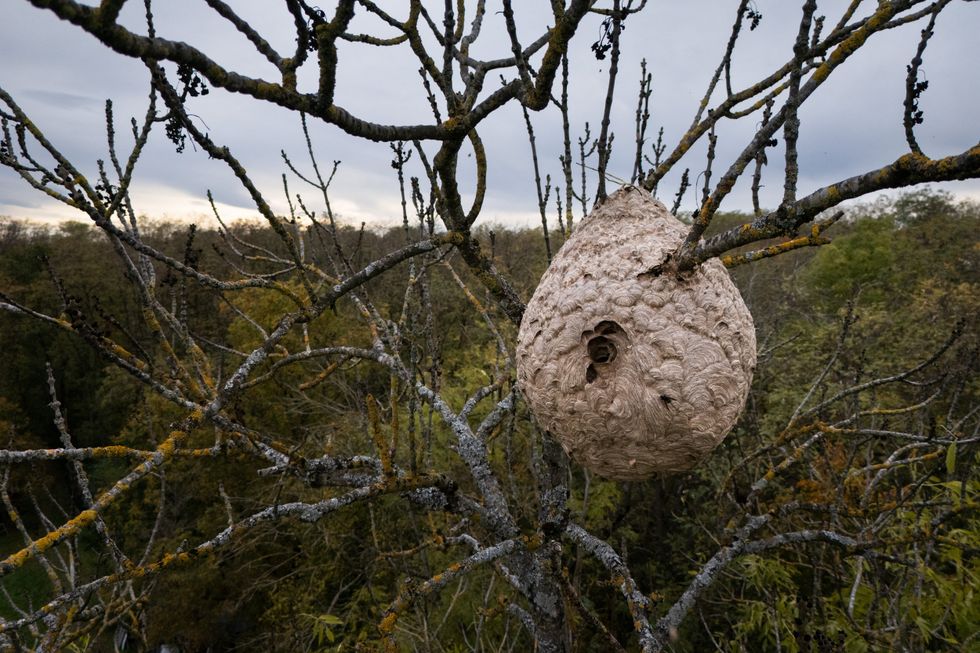
The numbers of active nests in Britain has jumped from just 24 in 2024 to 161
|GETTY
He added: "We're no longer talking about isolated coastal incidents.
"Sightings are appearing much further inland, and many experts now believe the focus has shifted from eradication to long-term management."
Niall Gallagher, technical manager at the British Pest Control Association, said it was "crucial" to curb the species' expansion, warning they would "disrupt our native ecosystems and impact crop production".
Dr Peter Kennedy, a conservationist at the University of Exeter, said locating and eliminating nests quickly remains the most effective way of containing the spread.
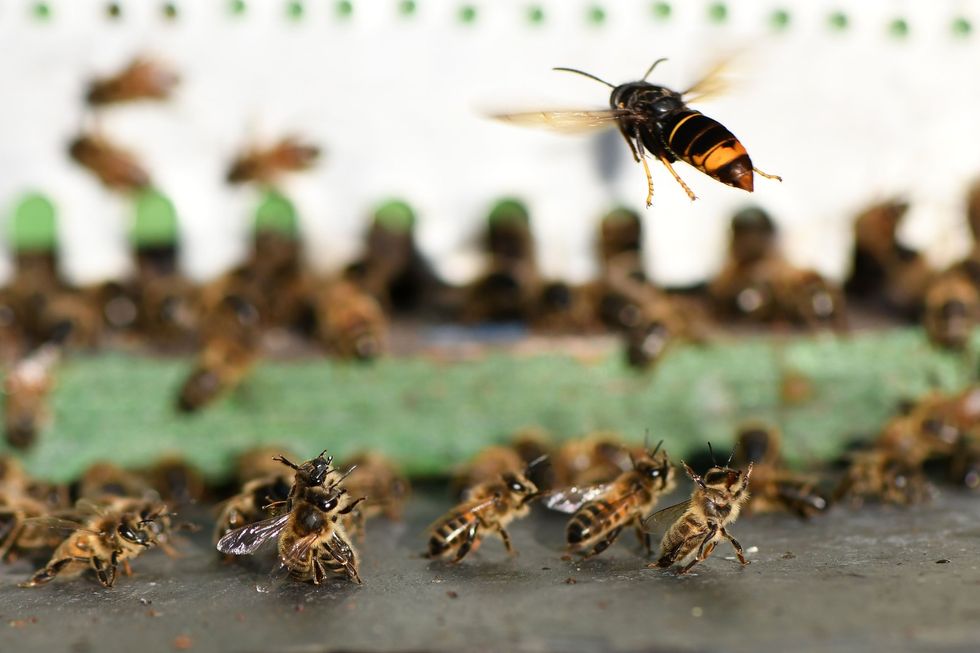
Honeybees make up roughly a third of the predatory insect's diet
|GETTY
However, authorities have urged the public not to approach or attempt to remove nests themselves, as the hornets can become aggressive when disturbed.
Instead, residents are encouraged to download the Asian hornet app and report sightings directly to the National Bee Unit.
The warning comes amid extraordinary weather conditions, with Camborne in Cornwall recording overnight temperatures that failed to fall below 21.4C.
Met Office meteorologist Alex Burkill described the record-breaking heat as "extraordinary" and "quite worrying".
Our Standards: The GB News Editorial Charter