










Thousands of disabled people relying on disability benefits are facing severe financial hardship as long delays leave them without vital support.
A damning new report has warned that failures at Department for Work and Pensions are pushing some Personal Independence Payment claimants towards debt and poverty.
A report by the Public Accounts Committee found that some people are waiting more than a year for their Personal Independence Payment (PIP) claims to be processed.
The watchdog warned that these delays are leaving vulnerable households without income they rely on, forcing some to borrow money or fall behind on essential bills.
MPs said they have returned to scrutinise the Department for Work and Pensions (DWP) after earlier promises to improve the disability benefits system failed to deliver real change.
They found that people applying for PIP are facing excessive waiting times, leaving them struggling financially while their claims sit unresolved.
The committee concluded that the Government has no adequate short-term plan to fix the problem, meaning many disabled people are being left without the financial support they urgently need.
The DWP's aims to process three quarters of new PIP claims within 75 working days, but it is falling well short of that target. However in 2024/25, only 51 per cent of claims were completed within this timeframe, meaning almost half of applicants waited longer than the department itself says is acceptable.
The situation has been made even worse as some people are waiting more than 12 months for a decision on their PIP claim.
The DWP admitted to the inquiry that such long delays are a problem that needs to be addressed, although it said these cases are not clearly reflected in its official statistics.
In response, the committee has demanded that the DWP provide a full breakdown of processing times, including how many claims are taking longer than a year to complete.
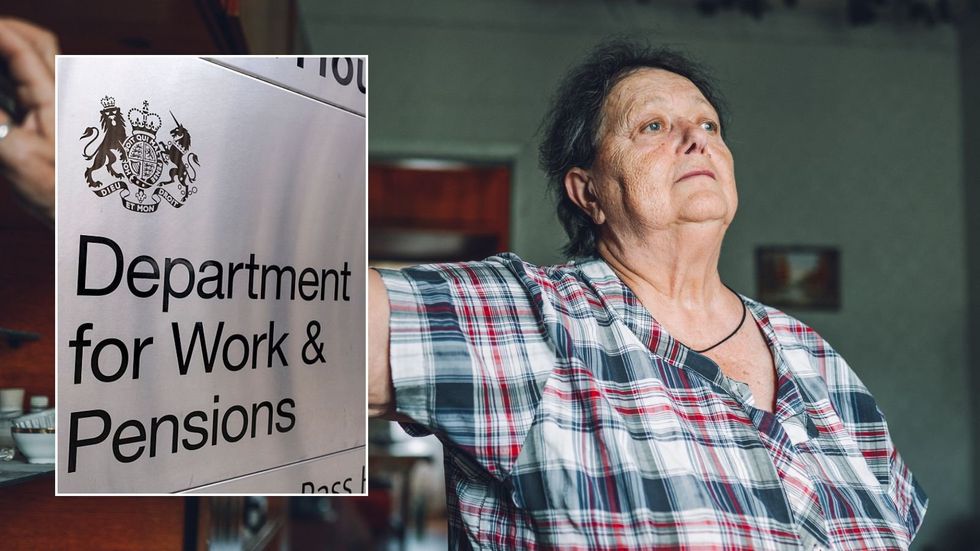
Thousands of PIP claimants could be 'pushed into poverty' after year-long payment delays
| GETTYThe DWP's timeline for improvement has slipped significantly, adding to frustration among MPs and claimants. Three years ago, the DWP told the committee it would process up to 20 per cent of PIP claims through a new online system by 2026.
That service, which is currently being tested in a small number of postcodes, has reduced processing times by around 20 days. However, officials now admit the target will not be met until 2029, when the wider Health Transformation Programme is due to be completed.
LATEST DEVELOPMENTS:
- State pension means-testing 'could guarantee its survival' as calls for DWP reform grow
- DWP alert: State pensioners risk missing £300 payment unless they act this January
- Free TV licences for DWP benefit claimants proposal SCRAPPED by Labour amid BBC review
Sir Geoffrey Clifton-Brown, Chair of the Public Accounts Committee, said: "Our Committee received reassurances three years ago that improvements would have manifested by now; we are now told that they are a further three years off.
"This is simply not good enough for our constituents, who we know risk being pushed into debt or poverty by a Department unresponsive to their needs."
The committee also raised serious concerns about cuts to initial meetings between Universal Credit claimants and their work coaches, which have been reduced from 50 minutes to just half an hour.
The scale of the PIP system has grown substantially, with approximately 920,000 applications submitted annually
| PAThe Government has admitted it possesses no quantitative evidence demonstrating how this change affects claimants, and the committee noted that no feedback had been sought from those using the service.
While the DWP maintains that work coaches retain flexibility to adjust appointment lengths as needed, the committee warned this may prove insufficient for those with complex circumstances.
Sir Clifton-Brown added: "Our report exposes the incoherence with which government made these arguments, while cutting the all-important support provided by work coaches which could help those same people access the labour market."
The scale of the PIP system has grown substantially, with approximately 920,000 applications submitted annually based on registration figures from 2023.

Monthly awards for claims related to anxiety and depression, have more than tripled, rising from an average of 2,500 in 2019 to 8,200 by 2023
| GETTYSpending on the benefit is projected to reach £21.8billion in 2024-25, a sharp rise from £13.7 billion just four years earlier. Looking ahead, the working-age PIP caseload is expected to climb to 4.2 million people within five years, costing £34.1billion annually.
Much of this growth stems from claims related to anxiety and depression, which have surged dramatically since the pandemic.
Monthly awards for these conditions have more than tripled, rising from an average of 2,500 in 2019 to 8,200 by 2023.
Young people aged 16 to 24 have been particularly affected, with awards in this age group nearly tripling between October 2019 and October 2024.
More From GB News