





A proposal to provide free television licences for Department for Work and Pensions (DWP) benefit claimants is understood to have been axed by Labour Government ministers.
The policy has been floated as part of Culture Secretary Lisa Nandy's wider reforms to the BBC, which is currently under review as part of the public broadcaster's Royal Charter.
As part of said review, ministers were reportedly looking into whether free TV licence concessions should be offered to those on "social benefits", a policy in place in countries such as Germany.
The Government has since confirmed that Labour will explore "further targeted interventions, such as new concessions or payment schedules" to help families in need who are unable to pay the £174.50 a year licence fee.
A proposal to offer free TV licences to benefit claimants has been scrapped
|GETTY
Policies to offer TV licence fee discounts for those claiming benefits, such as Universal Credit, have been put forward in the past but were rejected by the previous Conservative Government.
In Germany, those with disabilities, people claiming unemployment benefits, and asylum seekers do not have to pay the €18.36 (£16) per month TV levy, which also goes towards funding their country's public broadcaster.to support public service broadcasting.
Speaking to The i Paper, a Government source stated: "Discussions are ongoing but we will not be proposing to give free licences to people on benefits.”
Reacting to Labour's handling of the licence fee and BBC's future, Shadow Culture Secretary Neil Hudson, said: "It would be outrageous if people claiming benefits were given free TV licences while hard-working people footed the bill."
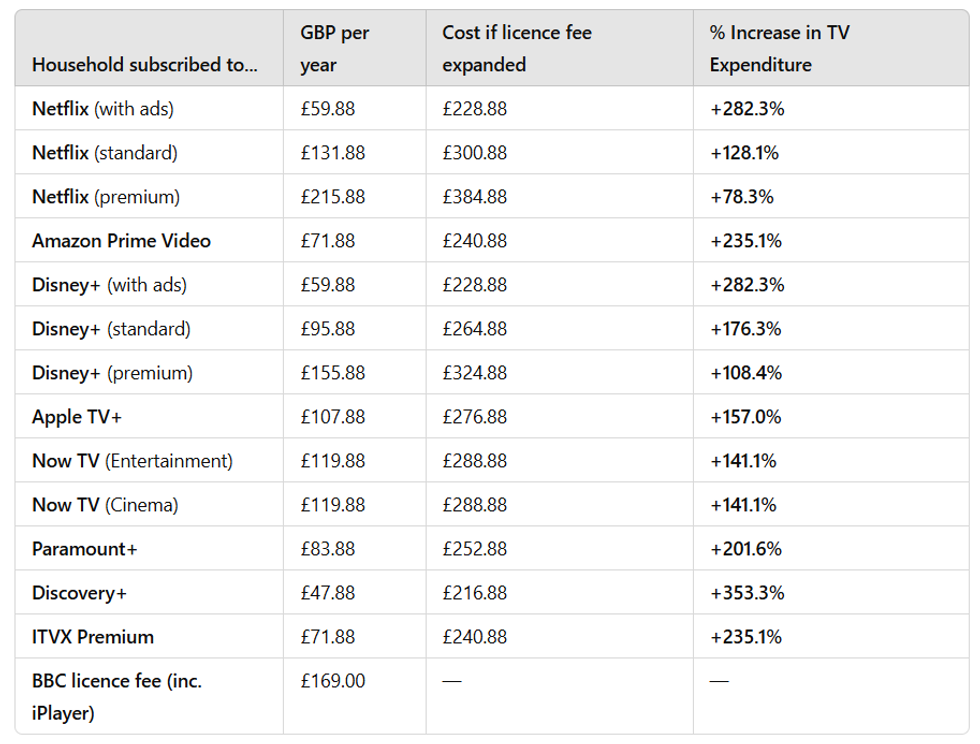 How much will it cost you to watch TV if Labour extend the licence fee to cover those that only watch streaming content? | GBN
Previously, the Department for Culture, Media and Sport (DCMS) asserted that ministers will not "rule out options", however noted that the Royal Charter review is ongoing with no decisions having been made.
As well as this, the Government department referred to previous comments by Labour Culture Minister Stephanie Peacock, who claimed the Government is "not looking to expand free TV licences or give them free to everyone".
Ms Peacock also suggested that another review would look at whether the BBC should be permitted to show more advertising on its channels or streaming services in the UK.
Currently, Britons over the age of 75 who claim Pension Credit can receive a free TV licence from the BBC, with an estimated 775,000 households benefting from the scheme.
LATEST DEVELOPMENTS
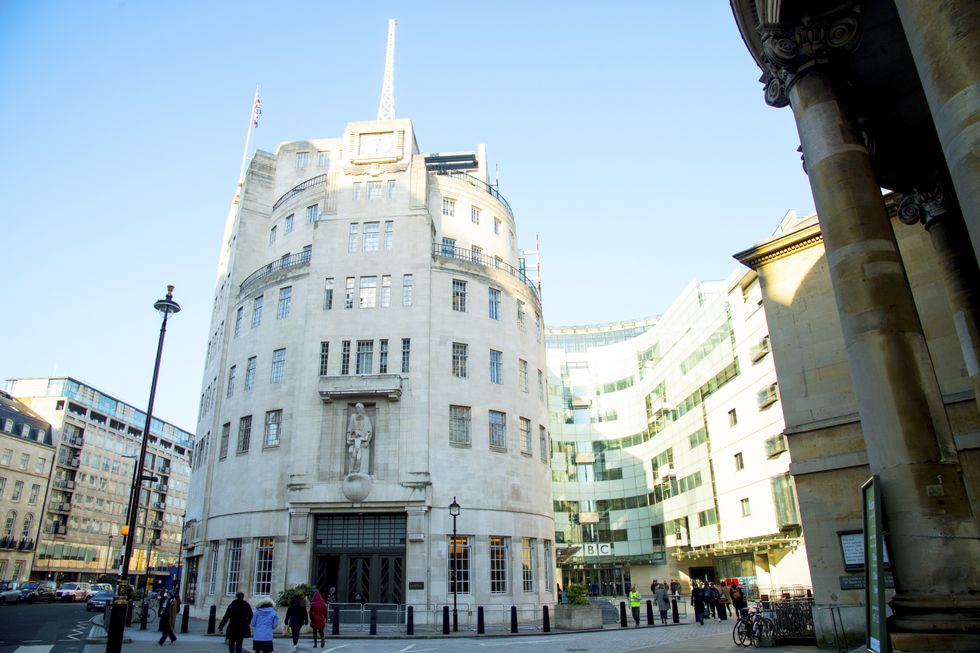 New Broadcasting House in central London | PA
John O’Connell, the chief executive of the TaxPayers’ Alliance, said: "It’s absurd to squeeze middle-class taxpayers harder while floating new licence fee exemptions for benefit claimants."
Amid the BBC's ongoing Royal Charter review, proposals have suggested the public broadcaster consider a Netflix-style subscription service model to fund the organisation.
However, critics have argued this would not be sustainable for long-term funding and would go against the BBC's role as an available public broadcasting service.
The Labour Government has claimed to have an "open mind" on innovations which could “generate more commercial revenue [for the BBC], and how the licence fee could be reformed”, including introducing a Netflix-style subscription element.
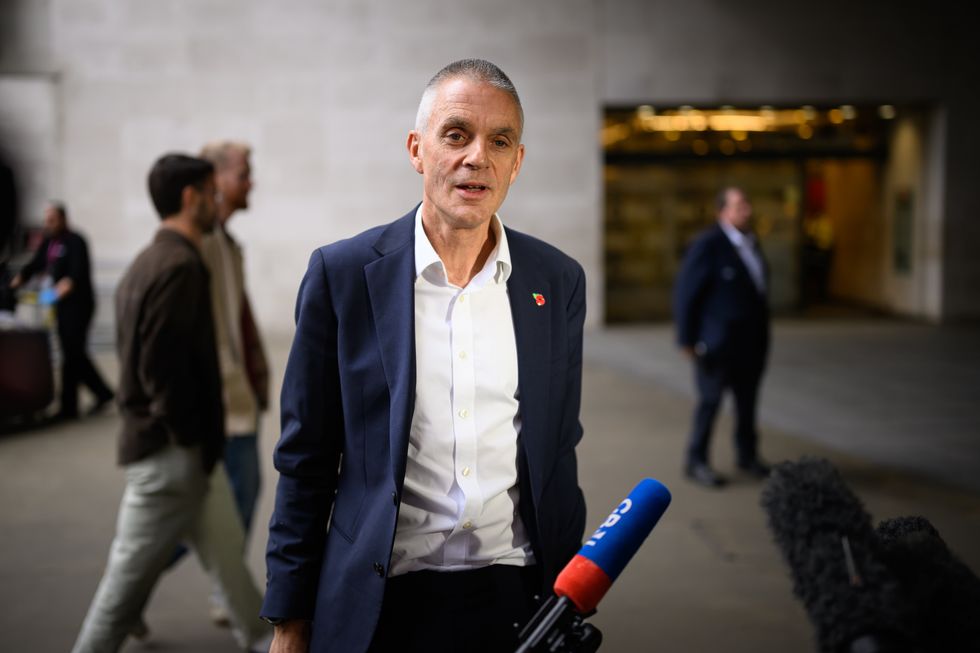
Director-General Tim Davie quit the broadcaster
| GETTYLast year, an investigation by The Telegraph found that the BBC edited a Donald Trump speech at the time of the Capitol Hill riots of January 2021, with former Director-General Tim Davie resigning as a result.
Mr Davie admitted that there had been "some mistakes" but that the resignation was "entirely his decision" amid public pressure from the Trump administration and allies in the UK.
He shared: "While not being the only reason, the current debate around BBC News has understandably contributed to my decision. Overall, the BBC is delivering well, but there have been some mistakes made and as director-general I have to take ultimate responsibility.”
Deborah Turness, the CEO of BBC, added: “In public life, leaders need to be fully accountable, and that is why I am stepping down. While mistakes have been made, I want to be absolutely clear, recent allegations that BBC News is institutionally biased are wrong."
More From GB News