







Pensions minister Torsten Bell has confirmed the Government will maintain the triple lock policy for the duration of this Parliament.
Speaking to the Work and Pensions Committee, Mr Bell said pensioners could rely on the measure remaining in place.
"We are going to be keeping the triple lock, yes, through this Parliament," he said.
The commitment means the state pension will rise by 4.8 per cent from April under the mechanism, which guarantees increases based on the highest of inflation, average earnings growth or 2.5 per cent.
TRENDING
Stories
Videos
Your Say
When asked whether the policy could change in the longer term, Mr Bell said: "A manifesto is a manifesto."
Labour pledged to maintain the triple lock during the General Election campaign.
Those receiving the full new state pension will see weekly payments increase from £230.25 to £241.30, equivalent to £12,548 per year.
For those on the old basic state pension, weekly payments will rise from £176.45 to £184.85, totalling £9,612 annually.

Triple lock to stay for Parliament, pensions minister confirms
|GETTY
The triple lock has delivered significant increases in recent years.
In April 2023, payments rose by 10.1 per cent, followed by an 8.5 per cent increase the following year.
This year’s 4.8 per cent increase is lower than previous rises but remains above recent inflation levels.
Mr Bell outlined the Government’s position on the policy.
LATEST DEVELOPMENTS
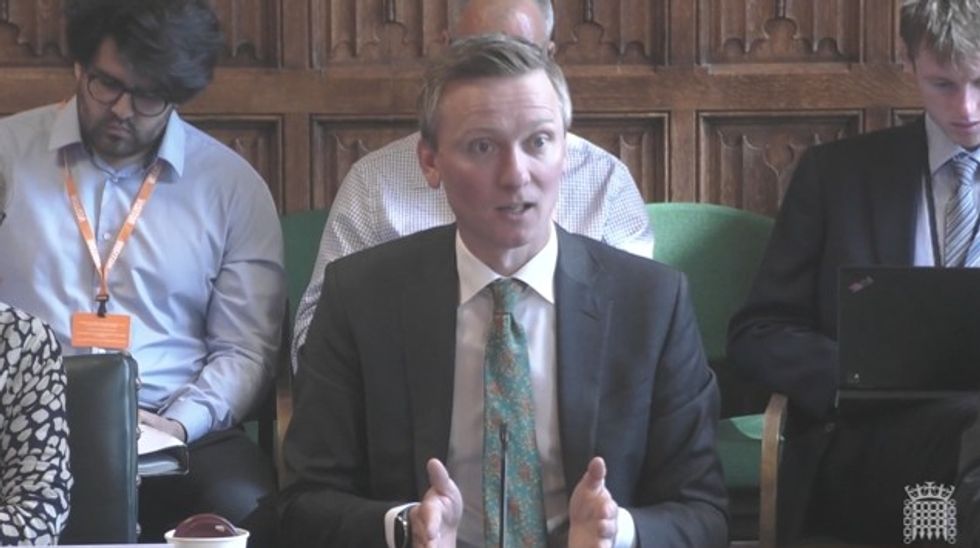
Torsten Bell spoke to the Work and Pensions Committee to confirm its future
| PAMr Bell said: "The Government's revealed objective is that we want to see a slightly higher level of the state pension relative to earnings, which is being delivered by the maintenance of the triple lock over the course of this Parliament."
He added maintaining the policy would increase state pension spending.
Mr Bell said: "That is the £30billion increase in state pension expenditure over the course of this Parliament."
Andrew Prosser, head of investments at InvestEngine, said there are longer-term considerations around the policy.
Mr Prosser said: "The triple lock may become unaffordable if pension payouts rise faster than Government revenue, particularly as the population ages and life expectancy increases.
"Analysts suggest this could become a significant strain over the next decade, forcing policymakers to review or amend the system to balance cost and fairness."
Mr Prosser added individuals may wish to review their National Insurance records to ensure they qualify for the full state pension.
The full new state pension typically requires 35 years of National Insurance contributions, while the full basic state pension requires 30 years.
Our Standards: The GB News Editorial Charter