










Octopus Energy is expanding its free electricity scheme for customers during periods when renewable power generation exceeds demand on the national grid.
The supplier said the initiative is designed to reduce wasted renewable energy while helping households lower their electricity costs at certain times of the day.
The move comes after Britain spent close to £1.5billion last year compensating wind farms to switch off turbines when the grid could not absorb excess electricity generation.
Periods of strong wind or high solar output can create more renewable power the electricity network is able to distribute efficiently, particularly during lower-demand periods.
Rather than allowing the surplus energy to go unused, Octopus Energy is widening its programme to encourage households to increase electricity usage when wholesale prices fall sharply.
Early figures from 2026 suggest the costs linked to curtailing renewable generation are continuing to rise.
The supplier has already operated similar initiatives for several years through its Saving Sessions programme.
Under the updated approach, customers are encouraged to use more electricity during periods of abundant renewable generation and reduce usage during times of peak demand.

Octopus Energy's free electricity scheme explained as renewable power surplus grows
|GETTY
Octopus said customers had already saved £4.6million through previous free electricity sessions run under the scheme.
The company also said it had distributed £5.8million in rewards to households that reduced energy consumption during periods of high demand.
An Octopus spokesman said: "The changes made to the DFS scheme mean customers can benefit from using more energy when renewables are high."
The National Energy System Operator (NESO) has updated its Demand Flexibility Scheme to help manage increasing volumes of renewable electricity generation across Britain.
Under the revised system, suppliers can encourage customers to charge electric vehicles, run appliances or increase power consumption during periods when renewable energy supply is particularly high.
LATEST DEVELOPMENTS
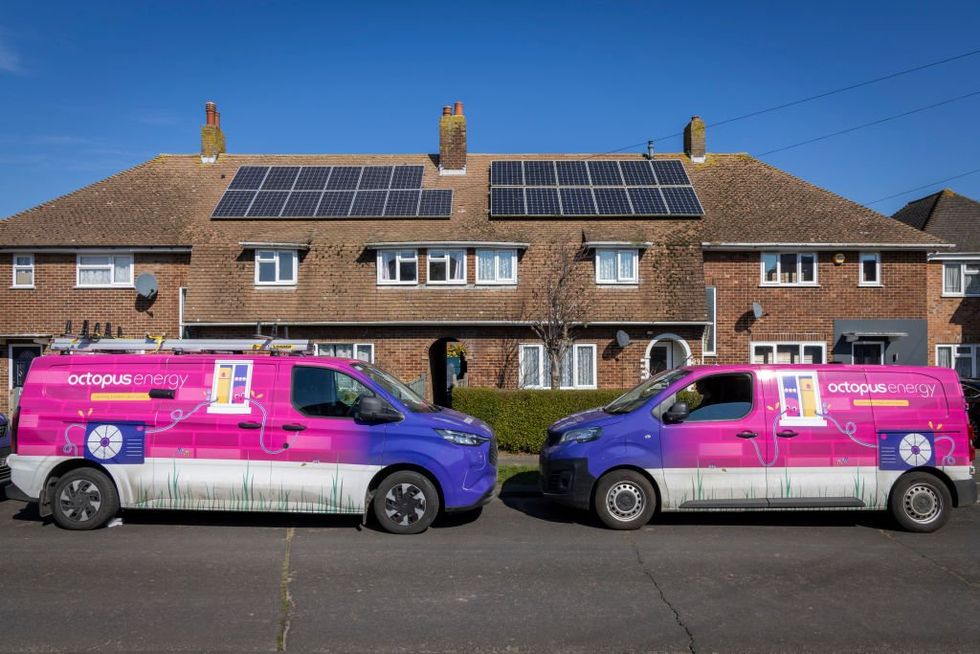 Octopus are the largest energy suppliers in the UK | GETTY
Households with smart meters may be offered free or discounted electricity during these periods, while some suppliers also provide rewards points or vouchers.
The grid operator determines when flexibility events are activated and compensates suppliers that successfully shift customer electricity usage.
NESO has indicated the flexibility tools may need to be used more frequently this summer due to periods of lower electricity demand combined with high renewable generation.
Other suppliers have also introduced similar schemes aimed at shifting customer demand.
British Gas currently operates its PeakSave programme, which offers customers half-price electricity on Sunday afternoons.
Octopus Energy has additionally expanded its Fan Club tariff, which links customer electricity prices to the output of nearby wind turbines.
More than 36,000 people have reportedly expressed interest in joining the tariff.
Customers signed up to the scheme can receive electricity discounts of up to 50 per cent when local wind turbines are generating power.
Octopus said it was "buzzing" about the latest changes to the flexibility scheme and highlighted the success of previous customer participation events.
Energy industry experts have said the wider issue of grid congestion will still require major long-term investment in Britain’s electricity infrastructure.
Large-scale upgrades to power lines and transmission networks are expected to cost billions of pounds over the coming years as renewable energy generation continues to expand.
For households equipped with smart meters and signed up to participating suppliers, the schemes could provide additional opportunities to reduce electricity bills during periods of high renewable output.
Our Standards: The GB News Editorial Charter