








Debanking continues to be a major issue in the UK as nearly 500,000 customers saw their accounts forcibly closed last year, new figures have found.
A Freedom of Information (FOI) request has found an 453,230 accounts were shut down in 2025, which is around ten times more than the 45,091 accounts closed in 2016-17.
It is also an 11 per cent increase on the 408,000 accounts shut down in the 2023-24 tax year, which saw Reform leader Nigel Farage the victim of debanking from NatWest-owned private bank Coutts.
In the majority of circumstances, banks and building societies referred to "financial crime reasons" as the main reason for account closures, The Telegraph reports.

Nigel Farage was the victim of debanking in 2023
|PA
Reacting to the figures, Mr Farage slammed the debanking trend as "appalling" and placed specific blame on legislation from the European Union (EU) policymakers.
He claimed the EU's laws "makes it cheaper for banks to close accounts over unusual transactions".
These figures come after the introduction of new legislation which will force lenders to give customers longer before they close accounts, giving at at least 90 days’ notice.
On top of this, banks and building societies will have to give an explanation as to why each account closure has taken place.
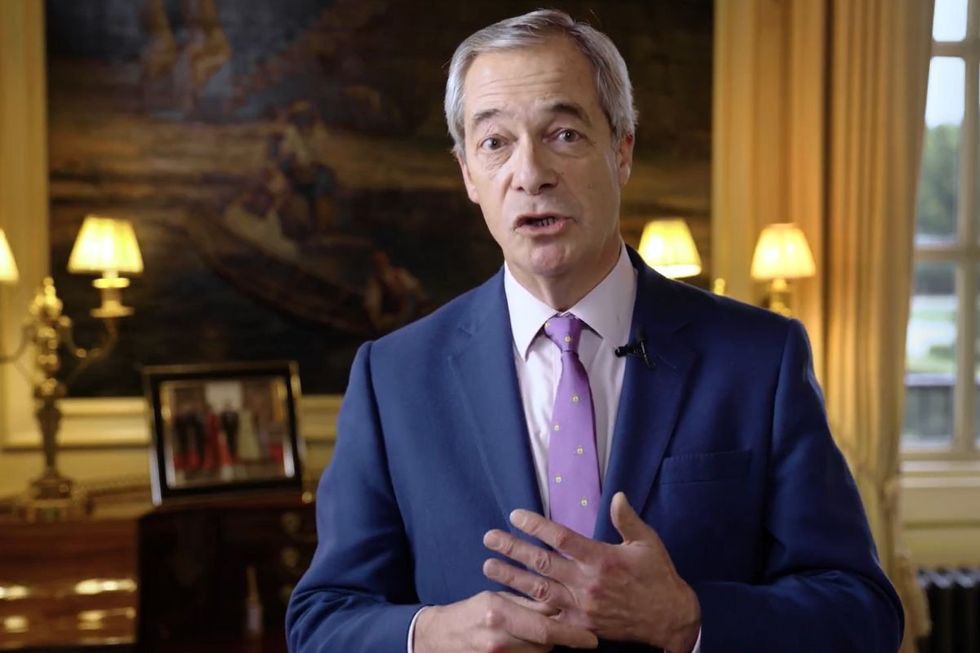
Nigel Farage slammed the debanking trend as "appalling"
| NIGEL FARAGEHowever, it should be noted that these rules will only apply to bank accounts opened after April 28, 2026, which means previous examples of debanking will not be looked into.
On top of this, the requirements will be subject to exemptions to permit banks to comply with financial crime rules.
Under UK law, banks and building societies are within their right to close accounts for commercial reasons, and if they suspect potential criminal activity.
Notably, Britons do not have a legal right to a bank account, whereas those living in France and Belgium are protected under their laws.
LATEST DEVELOPMENTS
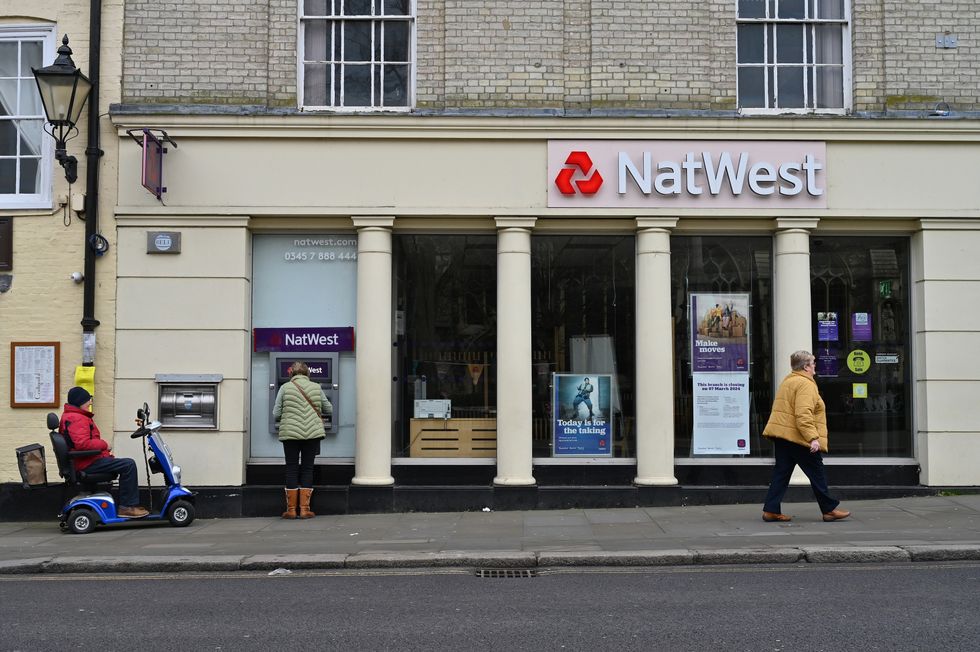
NatWest came under for its handling of the Coutts-Farage scandal
| GETTYFollowing the Farage-Coutts scandal, banks have came under fire over their perceived failure to explain to consumers why their accounts have been closed down.
Financial institutions have blamed anti-money laundering legislation and other rules tacking financial crimes as to why account closures happen the way they do.
In 2017, financial crime legislation clamping down on money laundering was made stricter, forcing lenders to monitor customer behaviour and check identities.
Speaking to The Telegraph, James Graham, a senior researcher at think tank the Prosperity Institute, broke down the "danger" many Britons are at risk of.
Mr Graham said: "The continued rise in account closures, as shown by this new data, shows that the debanking epidemic remains a present and real danger for increasing numbers of British citizens.
"Preventing crime sounds noble, but nobody believes another 453,000 people are financial criminals, on top of the 408,000 in 2025, and 317,000 in 2024."
A UK Finance spokesman said: "Banks must comply with strict legal and regulatory requirements in terms of verifying customers and preventing financial crime. As a result, a small proportion of accounts are closed, but only after extensive review and investigation."
A Treasury spokesman said: “Debanking is wrong, which is why we’ve put protections in place for millions of people and small businesses.
"Under the new rules, customers will receive at least 90 days’ notice and an explanation for any account closure, strengthening protections which prohibit banks from discriminating against someone based on their political opinions."
More From GB News