










Britain’s construction sector ended 2025 under sustained pressure as activity contracted for a 12th consecutive month in December, according to new industry data.
The S&P Global UK Construction Purchasing Managers’ Index registered 40.1 last month.
This is despite the Labour Government's promise to deliver 1.5 million new homes by the end of this Parliament.
This figure did however mark a slight improvement from November’s reading of 39.4.
Despite the uptick, the index remained well below the 50.0 threshold that separates expansion from contraction.
TRENDING
Stories
Videos
Your Say
The December figure was the second-weakest reading recorded since May 2020, marking the height of the pandemic-related shutdown of building sites across the UK.
The latest data showed that the pace of decline eased compared with November's figure, representing a five-and-a-half-year low for construction activity.
Survey respondents reported that workloads continued to shrink as 2025 drew to a close as new orders fell throughout every month of the year.
However, the rate of decline in new business moderated in December, with housing and commercial construction recording the sharpest falls among the main sectors.
Both segments experienced their steepest downturns since May 2020 as the housing activity index dropped to 33.5, alongside commercial construction activity, which fell to 42.0.
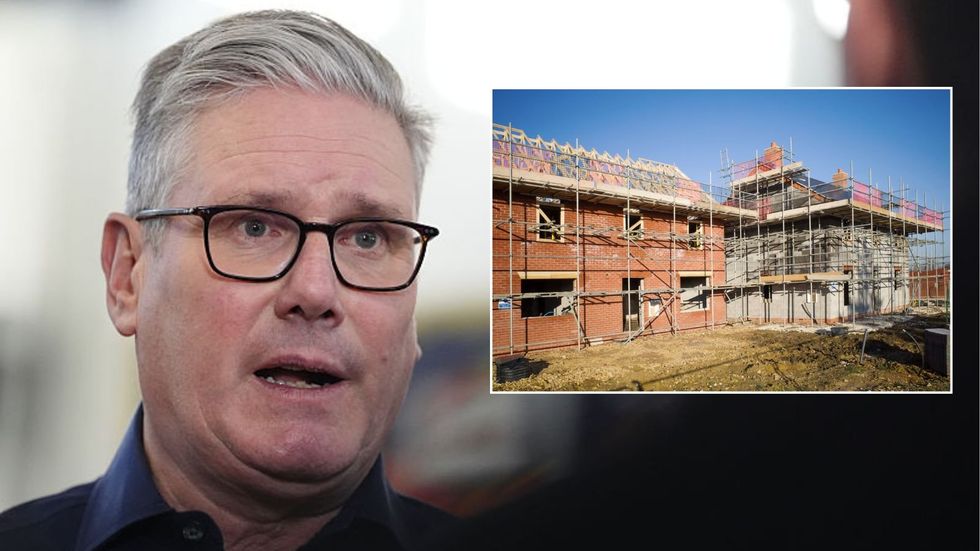
Britain’s construction sector ended 2025 under sustained pressure
|GETTY
The figures reflected weak demand across much of the private sector with civil engineering the weakest-performing category overall, where the index stood at 32.9 in December.
This represented a slight improvement compared with November’s reading.
Despite the marginal improvement, activity in the sector remained deeply subdued.
Tim Moore, economics director at S&P Global Market Intelligence, said the data pointed to continued widespread weakness.
"By sector, latest data indicated the fastest reductions in housing and commercial construction since May 2020, while civil engineering was the only segment to signal a slower pace of decline than in the previous month."
Survey evidence suggested that fragile client confidence continued to weigh on demand.
LATEST DEVELOPMENTS

Angela Rayner promised to build 1.5 million new home as Housing Secretary
| PAConstruction firms reported that workloads were held back by delayed investment decisions.
Many respondents said projects had been postponed ahead of November’s Budget.
These delays were said to have left sales pipelines weak even after fiscal uncertainty eased.
Mr Moore said: "Despite a lifting of Budget-related uncertainty, delayed spending decisions were still cited as contributing to weak sales pipelines at the close of the year.
"UK construction companies once again reported challenging business conditions and falling workloads in December, but the speed of the downturn moderated from the five-and-a-half-year record seen in November."
He added that subdued demand remained a key factor.
Mr Moore said: "Many firms cited subdued demand and fragile client confidence."
Employment levels across the sector continued to decline during December as construction firms reported further reductions in staffing numbers.
Purchasing activity also contracted sharply as respondents said lower workloads led to reduced demand for materials and subcontractors.
Despite the continued fall in activity, confidence among construction firms showed signs of improvement. Business optimism for the year ahead rose to its highest level in five months.
Around 37 per cent of companies surveyed said they expected output to increase over the next twelve months, compared with 20 per cent of firms that anticipated a further decline in activity.
"Total new orders nonetheless decreased to a much lesser degree than in November, while business activity expectations for the year ahead rebounded to a five-month high."
Some firms pointed to potential increases in infrastructure spending as a source of optimism. Mr Moore said survey respondents highlighted expected investment in utilities projects.
"Some survey respondents attributed greater optimism to projections of rising infrastructure spending, especially in the utilities sector."
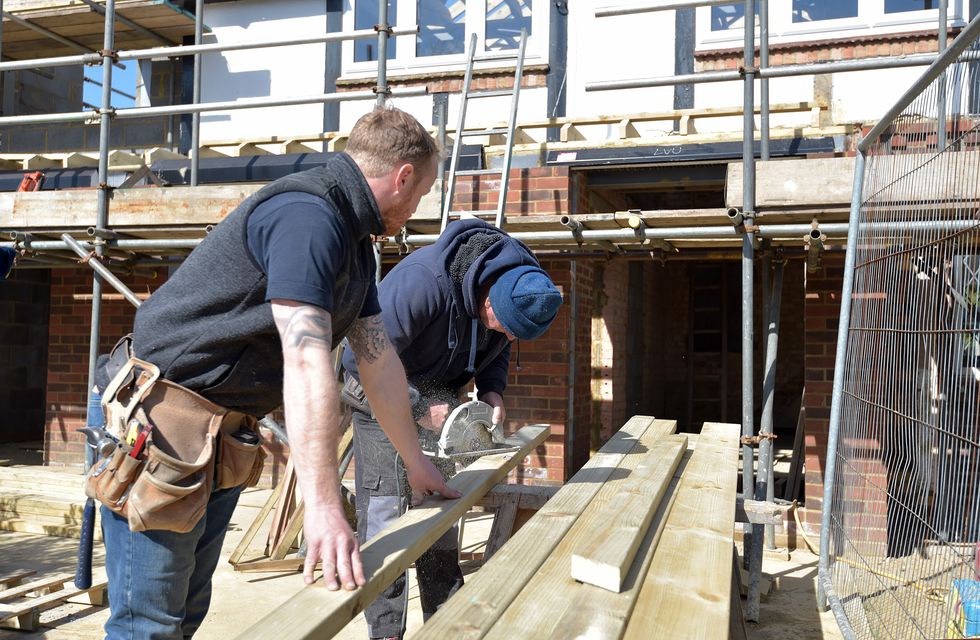
The levelling up of building in local communities aims to solve the housing crisis
| PAThere were also expectations that financial conditions could improve, as Mr Moore said hopes of lower borrowing costs and easing inflation were supporting sentiment.
He added: "There were also hopes that lower borrowing costs and easing inflationary pressures could boost demand across the construction sector."
The survey also showed signs of easing cost pressures with input cost inflation slowing to its lowest level in fourteen months.
Respondents linked this to softer demand for materials and more competitive pricing from suppliers.
While activity remained firmly in contraction territory, the data suggested conditions stabilised slightly at the end of the year.
The sector now enters 2026 with workloads under pressure - but expectations improving modestly.
More From GB News