








British savers moved £4.2billion into Cash ISAs during October in what analysts say was a striking shift in behaviour ahead of this year's Budget from Chancellor Rachel Reeves.
The surge in deposits created what industry experts described as a "second ISA season" as households sought to shield their money before any changes to the system were announced.
Tax-free cash accounts dominated savings activity throughout the month and represented 62 per cent of all deposits.
The rush followed widespread speculation about potential adjustments to ISA rules as savers attempted to maximise their allowances before the Treasury confirmed any reforms.
The Chancellor later announced cuts to cash ISA limits for those under 65, reducing the allowance to £12,000 alongside a two per cent rise in tax on savings interest.
Cumulative cash ISA deposits for 2025 have now reached £45billion, exceeding the equivalent period last year by £1billion.
Since Ms Reeves became Chancellor in July 2024, total ISA inflows have risen to more than £66.4billion across all account types.
Coventry Building Society analysis indicates this movement of money into tax-sheltered accounts has saved UK households more than £330million in income tax.
The figures highlight the growing reliance on tax-free savings vehicles among households navigating a more complex fiscal environment.
With frozen income tax thresholds bringing more earners into higher tax brackets, demand for protecting returns from taxation remains strong.

British savers poured £4.2billion into Cash ISAs in October
|GETTY
Jeremy Cox, the head of strategy at Coventry Building Society, said the pre-Budget speculation triggered a clear wave of activity.
"Speculation created what felt like a second ISA wave in October, with people pouring more than 60 per cent of savings into tax-free accounts."
He added: "When people think something might disappear, they rush to grab it and that's exactly what we've seen with cash ISAs this year".
October's deposit data indicates many savers chose to act on rumours rather than risk losing access to the full £20,000 annual allowance that has been in place since 2017.
The decision to reduce cash ISA limits to £12,000 for savers under 65 still allows younger households to deposit the full £20,000 during the current tax year.
LATEST DEVELOPMENTS
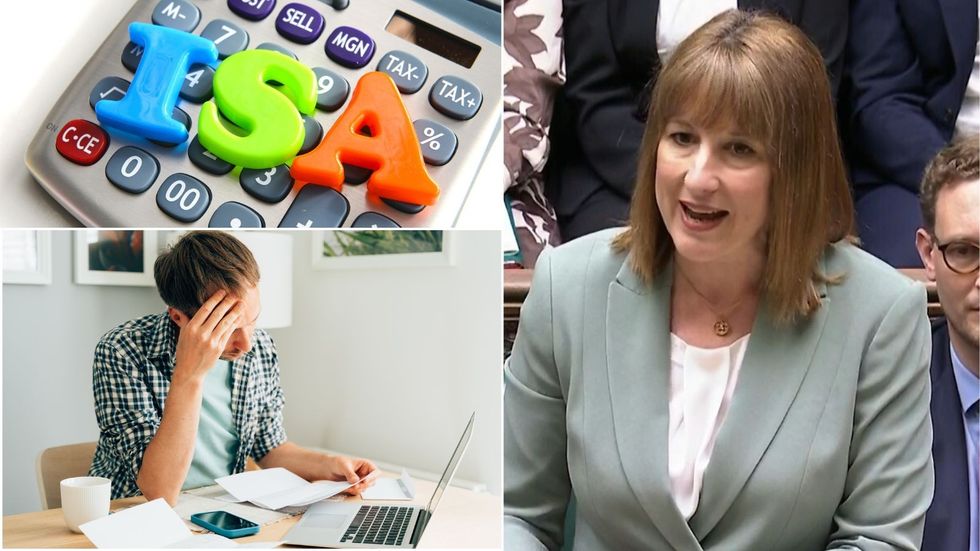
Speculation created what felt like a second ISA wave, according to experts
| GETTY/GBNEWSThey will also be able to deposit another £20,000 before April 5 2027 when the lower limit begins. However, he warned of another risk in the form of higher tax on savings interest.
"A new threat to savings is the two per cent tax hike on savings interest, which will increase the tax bill for anyone exceeding their personal savings allowance".
He said: "Basic-rate taxpayers will pay 22 per cent on interest over £1,000, while higher-rate taxpayers face a steep 42 per cent on interest above £500".
The reforms represent a material change in how HMRC will treat savings income.
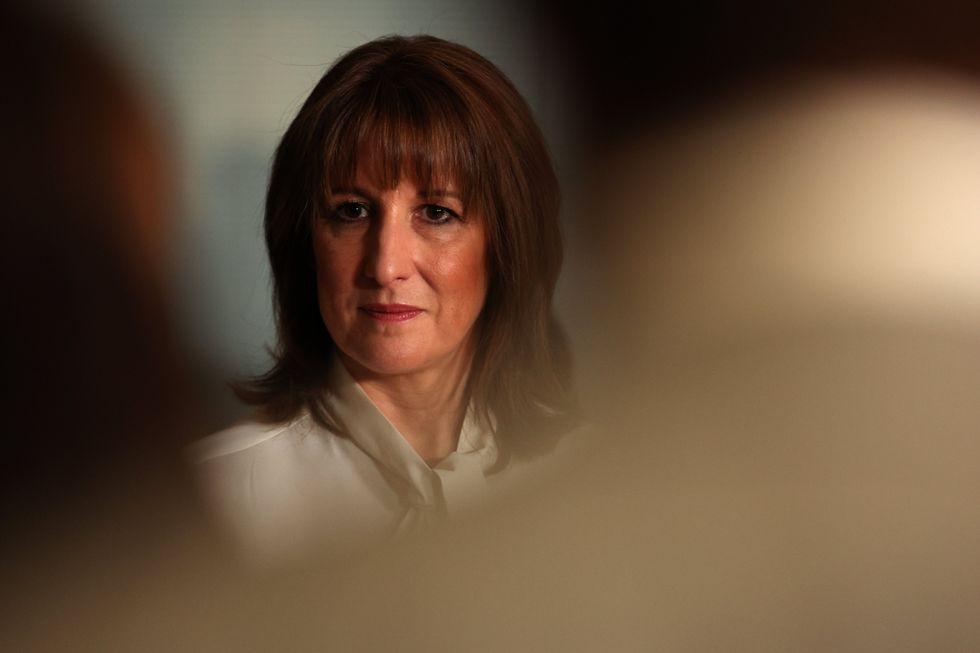
Rachel Reeves lowered the ISA tax-free allowance
| PAMr Cox also pointed to the implications of frozen income tax thresholds, which continue to move more earners into higher tax bands where personal savings allowances are reduced.
"As income tax thresholds remain frozen, savers also need to be mindful of entering higher tax bands where the personal savings allowance is cut in half for higher-rate taxpayers and eliminated for additional-rate payers who would pay 47 per cent tax on all their savings income."
He added: "Younger savers, in particular, are under pressure from higher taxes - unless their money is protected in an ISA".
The combination of fiscal drag and lower ISA limits means those building savings during their working years face rising pressure to make full use of tax-free allowances before the new rules take effect.