










Homeowners are finally seeing mortgage rates ease, but most are still paying far more each month.
The Bank of England has revealed the state of the mortgage market ahead of this month’s interest rate decision in its latest Money and Credit report.
The October 2025 update offers a glimmer of relief for those taking out new mortgages, with the average rate on newly drawn home loans slipping to 4.17 percent.
That is down from 4.19 percent in September and marks the lowest level since January 2023, when new mortgage rates sat at 3.88 percent.
TRENDING
Stories
Videos
Your Say
The figures show that rates on new deals have been falling steadily since March 2025, suggesting lenders are beginning to price in expectations of lower interest rates in the months ahead.
However, the benefit has not yet reached people already paying off a mortgage.
The average rate on the outstanding stock of home loans has remained stuck at 3.89 percent for the third month in a row, meaning millions of homeowners coming to the end of fixed-rate deals are still facing much higher monthly repayments than before interest rates began to rise.
The update comes as financial markets step up expectations of a Bank of England rate cut at its December 18 meeting.
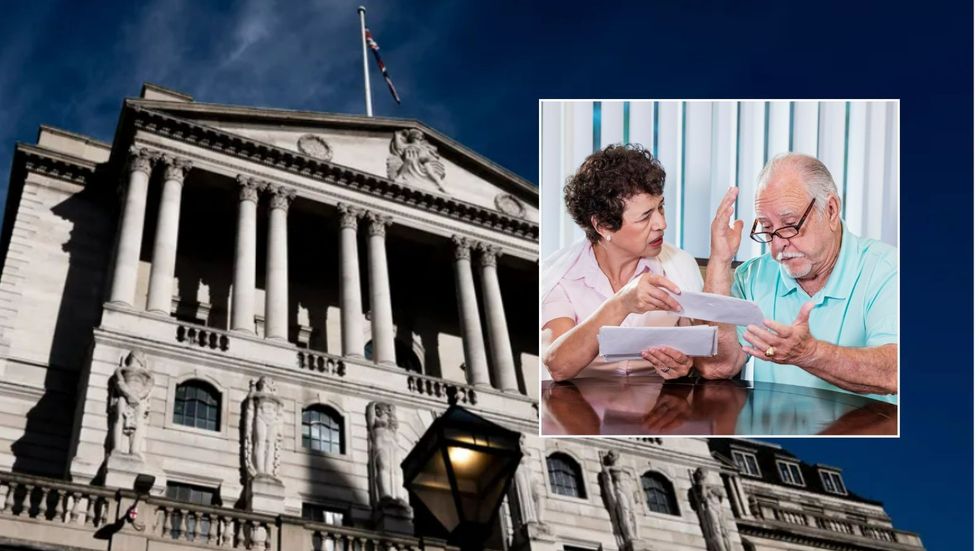 Bank of England issues new update for anyone with a mortgage |
 GETTY
Following Chancellor Rachel Reeves’s Autumn Budget, investors are now pricing in a 90 per cent probability that interest rates will fall by 0.25 percentage points.
Measures including support for renewable energy levies and a continued freeze on fuel duty are also expected to help push inflation lower, strengthening the case for a reduction.
The divide between new and existing mortgage rates reflects the situation facing borrowers who locked in ultra-low fixed rates before the Bank began raising the base rate in December 2021. As those deals expire, many homeowners are now rolling onto far more expensive rates.
Alice Haine, Personal Finance Analyst at Bestinvest by Evelyn Partners, warned: "Those yet to refinance should expect higher monthly repayments unless they've been able to pay down their mortgage balance."
LATEST DEVELOPMENTS

Net mortgage approvals for house purchase decreased by 600 to 65,000 in October
| GETTYThe Bank's data also showed net mortgage borrowing decreased to £4.3billion in October from £5.2billion in September, whilst net mortgage approvals for house purchases fell by 600 to 65,000. This figure represents approvals after cancellations are taken into account and is often used as an indicator of how much borrowing and home buying is likely in the months ahead.
Homeowners approaching the end of fixed-rate mortgages face a stark reality when refinancing, particularly those who locked in historically low rates before the Bank of England's tightening cycle began in December 2021.
These borrowers must prepare for substantially higher monthly repayments when their current deals expire.
Paul Matthews, Senior Director of Risk at Broadstone, cautioned that despite market expectations of a December rate cut, "we are not expecting a significant reduction in rates to pre-pandemic levels and budget pressures remain tight for millions of households so lenders will still need to exercise caution around affordability."
The situation affects countless households who benefited from rock-bottom rates during the pandemic era but now confront a dramatically different lending landscape as they seek new mortgage arrangements.
Financial markets have substantially increased their expectations for a December rate cut following the autumn budget announcements. The probability of a 0.25 percentage point reduction has risen to 90 per cent, up from 85 per cent before the budget, according to Guardian reports.
Lindsay James, investment strategist at Quilter, highlighted the budget's impact on inflation prospects: "There is some welcome good news that inflation will be helped by measures on energy bills, dampening it by just over 0.4% next year and theoretically raising the potential of more significant interest rate cuts."
The Office for Budget Responsibility projects the benchmark bank rate will decline to 3.7 per cent in the first quarter of 2026. Money market pricing indicates investors are now fully positioned for a December cut, with increased odds for further reductions in 2026.

October's mortgage lending figures reflected widespread uncertainty ahead of the budget
| GETTYOctober's mortgage lending figures reflected widespread uncertainty ahead of the budget, with net approvals for remortgaging dropping by 3,600 to 33,100, the lowest since February 2025.
Rachel Springall, Finance Expert at Moneyfactscompare.co.uk, noted that "borrowers may well have felt indecisive over securing a mortgage during October" due to budget speculation.
Despite the cautious market sentiment, opportunities exist for borrowers securing new deals. MsHaine observed that "those locking in a new deal can switch to a better rate on their product if a more competitive deal comes along before the term - something a broker can track on their behalf."
November saw the Moneyfacts Average Mortgage Rate drop below five per cent, providing welcome relief for those seeking new arrangements as lenders work to attract business before year-end.
More From GB News