










Metabolism boosters come in all shapes and forms, with many influencers suggesting caffeinated drinks are the easiest way to rev it up.
But certified nutritionist Emma Zheng has some news that might disappoint anyone hoping for a quick fix to supercharge their metabolism; there are none.
"You can't supercharge your metabolism with a magic pill or drink," Emma told GB News. "However, you can support it and boost it to the maximum extent possible."
Building muscle through strength training is key, since muscle tissue burns more energy than fat even when you're resting.
TRENDING
Stories
Videos
Your Say
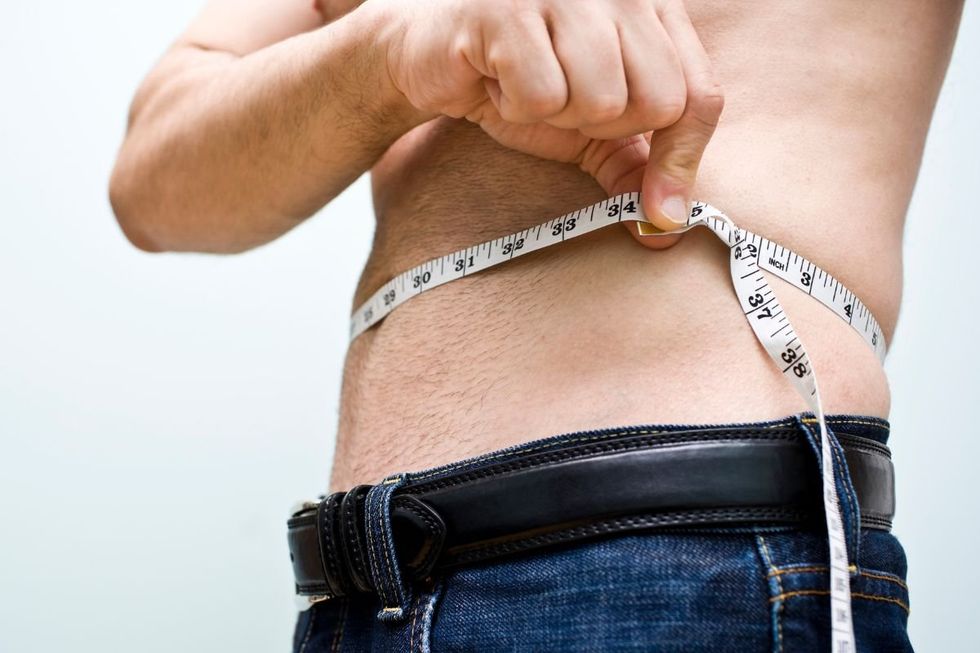
'Small steady habits always beat extreme dieting'
|GETTY
In addition, getting enough protein also plays a crucial role by helping maintain muscle while requiring more energy to digest, something scientists refer to as the thermic effect of food.
Beyond the obvious factors, however, factors like stress are important to manage because high cortisol levels cause the body to store fat around the belly.
This is why Emma herself has a morning ritual to keep stress at bay before the day gets going.
"I start my day with a cup of Gongfu tea to reduce the levels of cortisol in the body and maintain a calm state of mind before the start of the day," she explained.
Why does weight pile back on rapidly after a diet?
The body is clever at adapting to what it perceives as a food shortage, according to Emma.
LATEST DEVELOPMENTS
When you cut calories drastically, your hunger hormone ghrelin shoots up while leptin – the one that tells you you're full – drops down.
This process, known as adaptive thermogenesis, essentially slows your metabolic rate right down.
You feel hungrier than before, but your body is burning fewer calories.
Emma says the only way around this frustrating cycle is to take a gradual approach to fat loss, keep protein intake high, and incorporate regular muscle training into your routine.
The conventional wisdom of simply eating less does work to some extent, but there's a catch – you lose muscle mass along the way, which actually slows down your metabolism and makes fat loss harder.
This is why Emma advises building meals around protein sources like eggs, tofu, fish, Greek yoghurt, chicken, and legumes.

'I start my day with a cup of Gongfu tea to reduce the levels of cortisol in the body'
|GETTY
Adding fibre from vegetables and whole grains is equally important, as is lifting weights two to three times weekly.
This combination helps maintain muscle mass and keeps blood sugar levels steady.
But it's not about dramatic changes, it's about sustainable ones that your body can actually adapt to, as Emma stressed: "Small steady habits always beat extreme dieting!"
Our Standards: The GB News Editorial Charter