










Nearly half of Britons may be missing crucial everyday sounds without realising it, according to new research from the Royal National Institute for Deaf People.
The charity's survey of 1,810 individuals who had never received a hearing loss diagnosis revealed concerning findings.
Some 47 per cent reported difficulty hearing leaves rustling on a blustery day, while 46 per cent struggled to detect someone calling their name from another room.
Rainfall nearby proved problematic for 43 per cent of respondents, and approximately four in 10 could not clearly hear a cyclist's bell, a knock at the door, or a telephone ringing in an adjacent room.
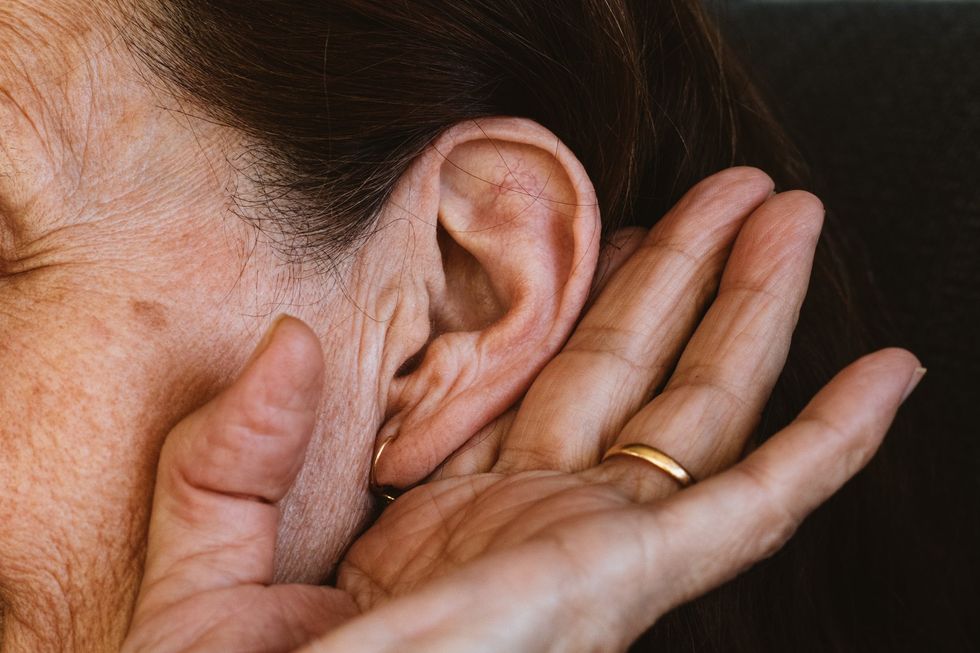
Accusing others of mumbling is a significant warning sign of hearing loss
|GETTY
Crystal Rolfe, audiologist and director of health at RNID, said: "Struggling to hear certain sounds and frequencies in your daily life could be an indication of hearing loss. The sooner you recognise the signs and take action, the better."
Ryan Reid, an audiologist at The Hearing Clinic UK in Glasgow, has identified six subtle warning signs that should prompt concern.
The first indicator involves gradually increasing television volume.
LATEST DEVELOPMENTS
"The TV volume being turned up louder and louder is one of the most common things that family members often notice first," Reid said.
He notes that individuals frequently blame the television or actors rather than recognising their own diminished hearing clarity.
Repeatedly requesting others to repeat themselves, particularly in intimate group settings, represents another telltale sign.
Reid describes this as a typical coping strategy for those experiencing early hearing difficulties.
Accusing others of mumbling is equally significant.
"Early age-related hearing loss usually affects the high frequencies first and sort of blurs out speech," Reid explained, noting that consonants such as S, F, T and 'sh' sounds become particularly difficult to distinguish.
Bustling environments such as restaurants and cafés present particular challenges for those with early hearing loss.
"With something like a cafe, for example, you've got lots of noises going on at once, such as the coffee machine, children crying, plates, and people chatting," Reid said.
He explained that the brain works overtime to compensate for missed sounds, eventually causing listening fatigue that leaves people feeling thoroughly drained.
Confusing similar-sounding words is another warning sign, with individuals mishearing "three" as "free," for instance.
Reid observed that families often initially treat such errors as amusing rather than concerning.
Perhaps most troublingly, some individuals begin avoiding social gatherings altogether.
A family member who suddenly abandons a beloved club may well be retreating because they can no longer follow conversations comfortably.
Reid emphasised that hearing assessments should never be delayed, regardless of age.
"It's never too early to have your hearing tested, as hearing loss can happen to anyone," he said.
The audiologist drew a comparison with other routine health checks that Britons readily accept.
"It's very normal to have your eyes tested every few years and to go to the dentist every six months, but many people take hearing for granted," Reid observed.
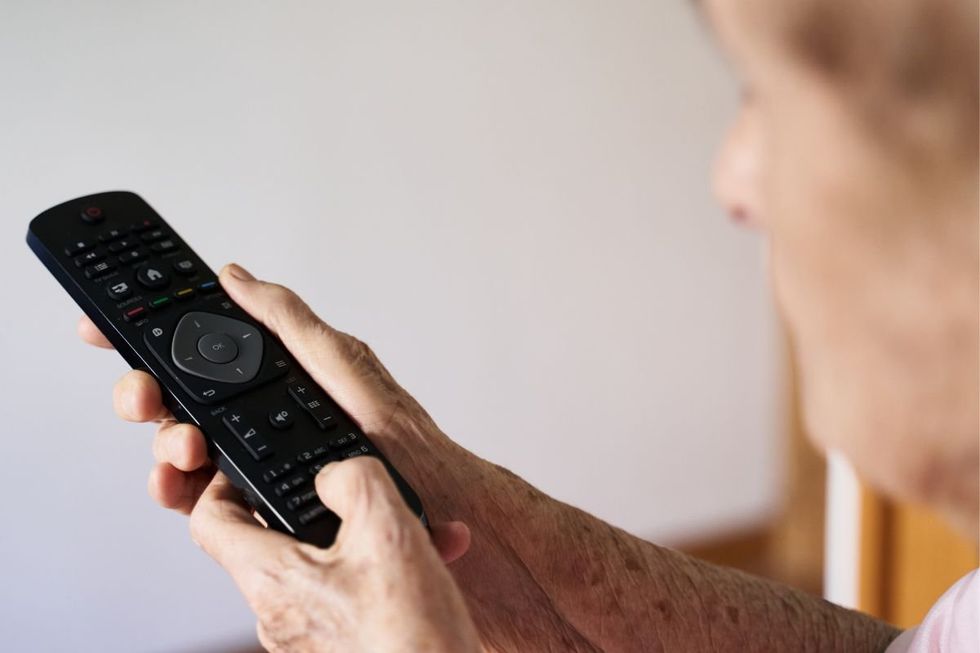
Gradually increasing television volume is a warning sign of hearing loss
|GETTY
His advice for anyone experiencing concerns is straightforward.
"If you have any concerns about your hearing, speak to a professional and get it checked out," he said.
Early intervention remains paramount, with Reid stressing that addressing hearing difficulties sooner rather than later yields far better outcomes.
RNID offers a free online hearing check for those wishing to assess their hearing health.
Our Standards: The GB News Editorial Charter