







The headlines are full of talk about no-deposit mortgages hitting a five-year high. At first glance, the numbers look a bit startling, with over 500 handed out in just nine months.
But we do need a bit of perspective here. In the grand scheme of the UK housing market, these figures are actually tiny. We aren't back in 2008 territory. Back then, high loan-to-value lending made up around 15 per cent of the market; now, it’s closer to 7 per cent.
The banks aren't being reckless on a systemic level; they’re being incredibly selective, with strict criteria and higher rates. However, statistics don’t matter if you’re the one holding the keys when the market dips.
For the individual buyer, the risk is significant. If you’ve got zero equity and house prices fall even by 2 or 3 per cent, you could quickly slip into negative equity, especially once buying costs are factored in.
TRENDING
Stories
Videos
Your Say
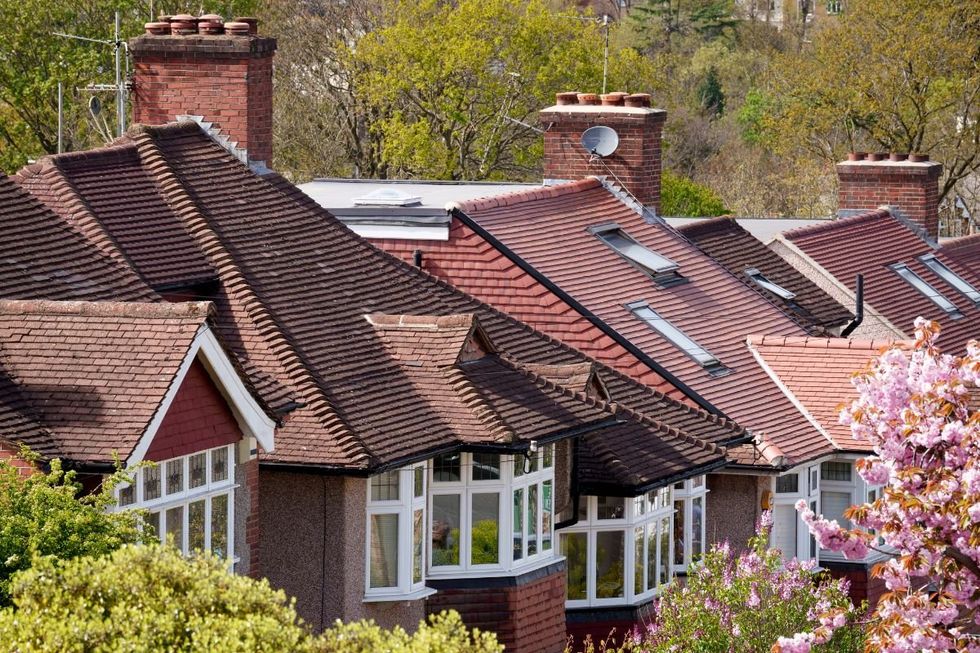
More than 500 no-deposit mortgages have been handed out in nine months
|GETTY
You’re then effectively trapped, unable to remortgage and unlikely to sell without finding thousands of pounds to repay the lender. Then there’s the ‘poverty premium’. Without a deposit, you’ll typically face higher interest rates.
Over a 30-year term, that added cost can run into many thousands. It’s a symptom of a market where saving for a deposit is increasingly difficult alongside record rents and the rising cost of living.
While it’s encouraging to see lenders trying to support first-time buyers, we have to be realistic. These deals are a high-stakes gamble. For the wider economy, they are a drop in the ocean. For the individual, it could prove a life-changing mistake.
LATEST DEVELOPMENTS
Five affordability tips for buyers to consider:
- Stress-test your finances: Don’t just rely on today’s rates, check whether you could still afford repayments if interest rates rose by 2–3 per cent.
- Budget beyond the mortgage: Factor in all costs, including insurance, maintenance, energy bills and council tax, not just your monthly repayment.
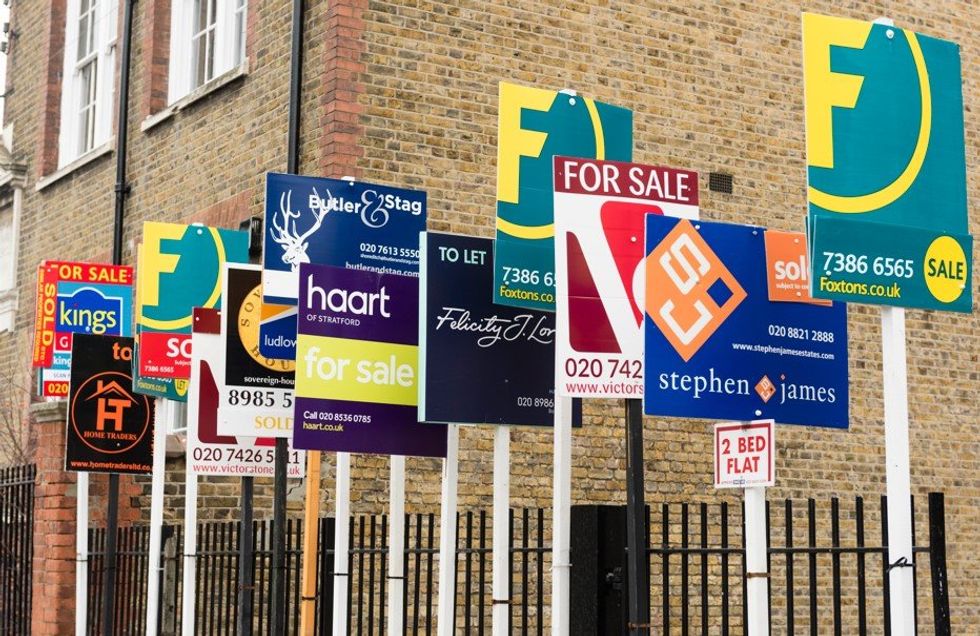
'Borrowing less can give you vital breathing room'
|GETTY
- Build a financial buffer: Aim to keep at least three to six months’ worth of expenses in savings to protect yourself against unexpected shocks.
- Avoid borrowing at your maximum limit: Lenders may offer more than is comfortable. Borrowing less can give you vital breathing room.
- Consider saving a small deposit first: Even a modest deposit can unlock better rates and reduce your long-term risk significantly.
Property expert Jonathan Rolande is the founder of House Buy Fast. For more information visit www.jonathanrolande.co.uk
Our Standards: The GB News Editorial Charter