








Property values across the United Kingdom declined by 0.5 per cent last month, according to figures released by Halifax, Britain's largest mortgage lender.
The typical home now commands a price of £299,677, with yearly growth also losing pace.
Halifax attributed the downturn to elevated mortgage rates, themselves a consequence of the ongoing Iran conflict's destabilising effect on global markets.
Rising energy costs stemming from the Middle Eastern crisis have stoked concerns about persistent inflation, effectively extinguishing hopes that the Bank of England might reduce interest rates during 2026.
TRENDING
Stories
Videos
Your Say
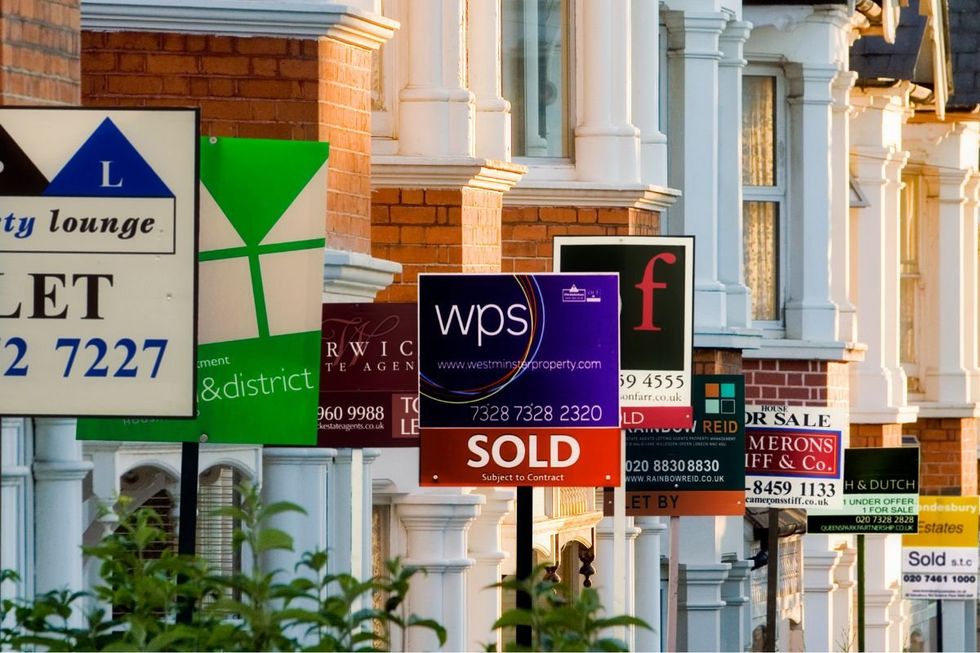
The housing was showing promising signs earlier in the year, before geopolitical tensions intervened
|GETTY
The housing market had shown promising signs earlier in the year before geopolitical tensions intervened.
March's decline marks a reversal from February's 0.3 per cent uptick, recorded before hostilities commenced in the region.
The conflict's impact on energy prices has triggered widespread anxiety about inflationary pressures, diminishing expectations for monetary policy easing this year.
Mortgage rates have surged in response, with hundreds of the most competitive deals vanishing from the market in recent weeks.
LATEST DEVELOPMENTS
The scale of withdrawals reached levels not witnessed since the tumultuous mini-Budget of 2022, when Liz Truss's ill-fated fiscal plans sent financial markets into turmoil.
Halifax noted, however, that the current rise in mortgage rates has been less severe than during that episode four years ago.
Amanda Bryden, head of mortgages at Halifax, said: "The recent slowdown in the housing market reflects the wide uncertainty regarding the conflict in the Middle East."
She explained that concerns over elevated energy costs have driven inflation expectations higher, which subsequently pushed mortgage rates upward.
"Concerns about higher energy prices have pushed up inflation expectations, which in turn led to a rise in mortgage rates, reducing confidence that interest rates will be cut this year and dampening the initial momentum in the market seen at the start of the year," Bryden stated.
Regarding the duration of subdued demand, she indicated this would "largely depend on how long-lasting these pressures prove to be and the wider implications for the economy and unemployment".
Nathan Emerson, chief executive of Propertymark, offered a sobering assessment of the market's trajectory.
"We are at an important intersection where we must clearly acknowledge future challenges ahead," he remarked, noting that 2026 had begun with encouraging signs, including increased property viewings and positive consumer sentiment around affordability.
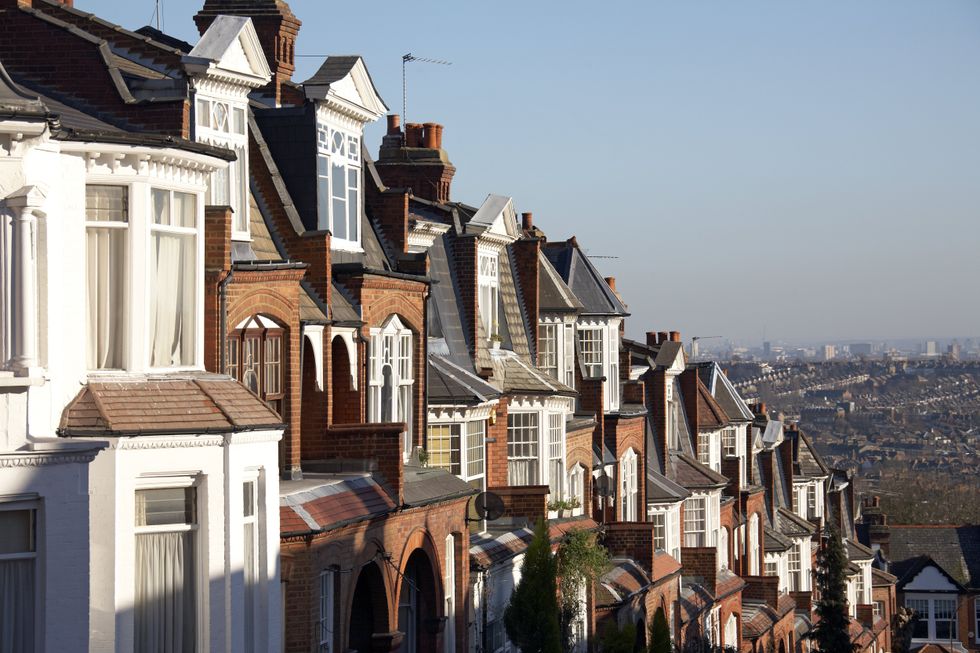
Concerns about higher energy prices have pushed up inflation expectations
|GETTY
"However, a lot has changed in a short space of time, with numerous sub-four per cent mortgage deals being withdrawn over the last few weeks as the wider economy adjusts to potential uncertainties," Emerson added.
He warned that inflation is anticipated to climb in the coming months, directly affecting household budgets, whilst also influencing Bank of England decisions on base rates.
OFGEM's forthcoming energy price cap announcement next month will prove another crucial factor for household finances.
Our Standards: The GB News Editorial Charter