










Selling property is stressful enough when it goes well. When it fails on completion day, it is not just “one of those things”. It is a financial and emotional disaster.
I have just had it happen to me, admittedly in a business transaction, which makes it much less personal. But even so, the buyer was an investor, confident and experienced. All the right signals.
Then, at the final hurdle, completion day, the money didn’t arrive. Cue solicitors panicking as everyone tried to work out just what was happening.
In the end, it turned out that their funding had failed, and there was no way they could buy the property.
TRENDING
Stories
Videos
Your Say

While a higher asking price may be tempting, it can deter buyers
|GETTY
In my thirty-odd years, this has only happened to me a few times, but when it hits, it’s a disaster - all plans fly out of the window.
With a work transaction, the effect is just financial - I can’t imagine how a family hoping to move and being left with nothing might cope. And my big worry is this.
As the market becomes more nervous and uncertain, funding becomes less reliable. Lenders tighten criteria. Buyers get jumpy. Chains become ever more fragile. The idea that completion day is “just a formality” is, sadly, increasingly out of date.
For most families, selling a home is the biggest financial move they will ever make. They exchange, book removals, line up schools, and commit to an onward purchase. The meters are read, the keys made ready. Life gets packed into boxes on the assumption that exchange means the deal is done. Sometimes it does not.
LATEST DEVELOPMENTS
Completion depends on a chain of moving parts. Mortgage offers that can be withdrawn, buyers whose circumstances change, fragile chains that snap, even legal firms that can fail at the worst possible time. The seller carries the risk, and the consequences are brutal.
If the worst happens, there are financial remedies, but they are slow and don’t actually get the seller moved.
That is why a small but growing number of sellers are turning to services such as ClozeSure, which, for a nominal upfront cost, will step in and fund the purchase if a buyer fails at the point of completion, ensuring the seller receives 100 per cent of their agreed sale price, keeping chains intact and preventing the entire deal from collapsing.
Most sellers have never even heard of it. But in a market where certainty is evaporating, that may need to change.
Because now, more than ever, the deal isn’t done until the money is in your account. This is just one of many hidden risks that can derail a home sale.
Here are five more and my advice on how to avoid them.
One common issue is incomplete or inaccurate paperwork. Missing permits, outdated certificates, or incorrect property details can delay or even collapse a sale. Always double-check documentation early and work with a professional to ensure everything is in order.
Another risk is overpricing. While it’s tempting to aim high, an unrealistic asking price can deter buyers and cause your property to sit on the market too long. This can eventually lead to price reductions that weaken your negotiating position. Research comparable sales and listen to expert advice when setting your price.
Survey and boundary disputes are also frequent problems. If there are disagreements over property lines or shared access, buyers may walk away.
Resolve any uncertainties before listing by obtaining a current survey and clarifying boundaries with neighbours if needed.
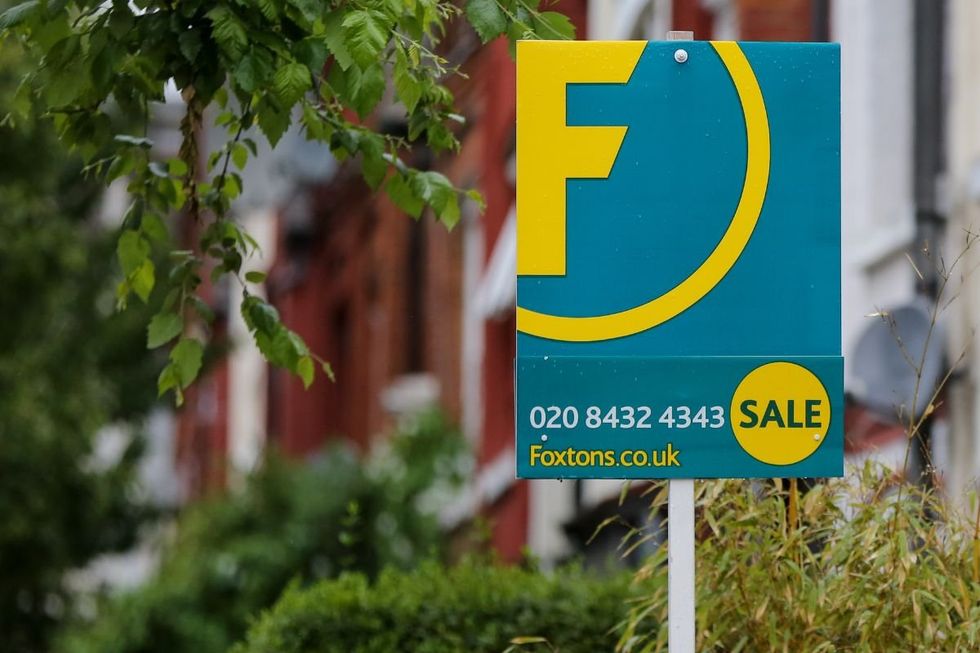
If your sale depends on other transactions, delays elsewhere can impact your timeline
|GETTY
Chain dependency is another hidden challenge. If your sale depends on other transactions, delays elsewhere can impact your timeline. Where possible, consider buyers who are chain-free or have financing already secured.
Finally, unexpected repairs can surface during inspections. Issues like damp, roofing problems, or outdated wiring can lead to renegotiations or lost buyers. Conduct a pre-sale inspection to identify and address problems in advance.
By preparing early, staying realistic, and seeking professional guidance, you can reduce these risks and move toward a smoother, more successful sale.
Our Standards: The GB News Editorial Charter