










Research from the University of Leeds and the UK Centre for Ecology and Hydrology has revealed thousands of jars of British honey may harbour traces of prescription medications, including cancer treatments, painkillers, antidepressants and antifungal drugs.
Scientists examined raw honey from 19 hives across various agricultural sites throughout the country.
Their analysis uncovered drug residues in 64 per cent of samples tested.
Every single sample contained some form of chemical contamination, with researchers identifying more than 100 contaminants of emerging concern.
TRENDING
Stories
Videos
Your Say
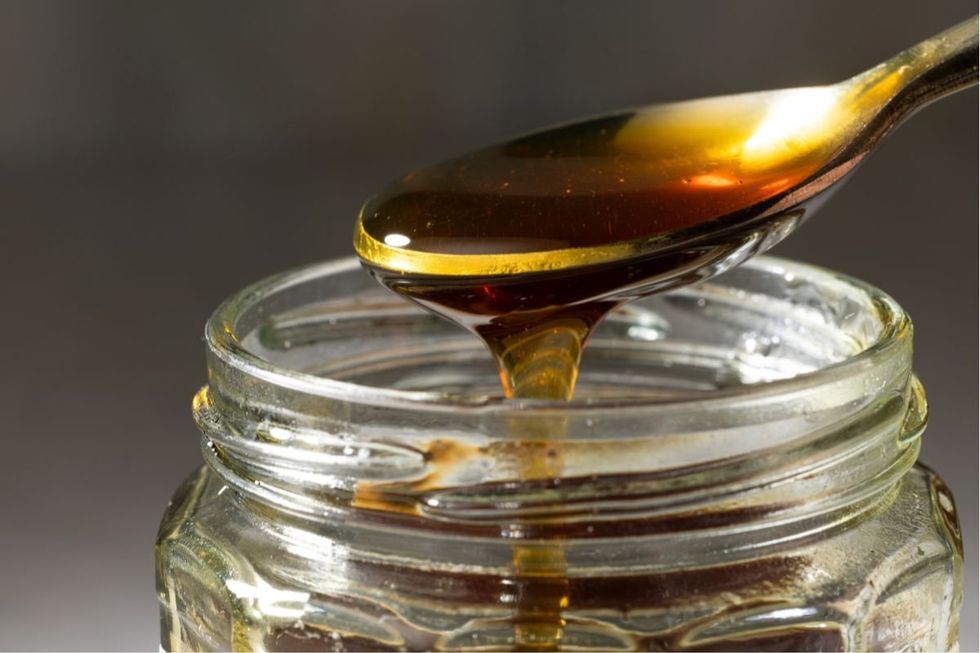
British honey may harbour traces of prescription medications
|GETTY
Human-use pharmaceuticals emerged as the most commonly detected category, appearing in two-thirds of all honey examined.
"The potential risk to consumers from the ingestion of contaminated honey remains largely unexplored," the researchers cautioned.
Among the specific medications detected were the common painkiller ibuprofen, antiviral compounds, the contraceptive drospirenone, alverine used for irritable bowel syndrome and the heart rhythm medication clofilium.
"Human-use pharmaceuticals comprised the most frequently detected class of chemicals in our samples," the research team confirmed.
Beyond prescription drugs, the investigation revealed hives were being contaminated by industrial compounds, plastics found in sewage sludge and prohibited herbicides.
Industrial chemicals represented 10 per cent of contamination detected, whilst agricultural chemicals accounted for nine per cent.
Surfactants contributed eight per cent of the pollutants identified, with plasticisers making up five per cent.
Scientists believe the contamination pathway begins with treated sewage being applied to farmland as fertiliser.
When individuals consume medication, a portion passes through the body and enters the sewage system as waste.
LATEST DEVELOPMENTS
This treated sewage, termed biosolids, is sprayed on crops "on a significant scale", according to the researchers.
British farmers are estimated to utilise more than three million tonnes of biosolids annually.
The research team suspects bees are gathering pollen from plants grown on treated land, subsequently transporting these contaminated materials back to their hives.
This practice has previously been associated with chemical contamination, though precisely how these compounds transfer into honey remains poorly understood.
The study, published in the Journal of Agricultural and Food Chemistry, highlighted a significant regulatory void.
"Unlike pesticides, for which dietary exposure guidelines exist, there are currently no established regulatory thresholds for most contaminants of emerging concern (CECs) in food products, including honey," the researchers wrote.
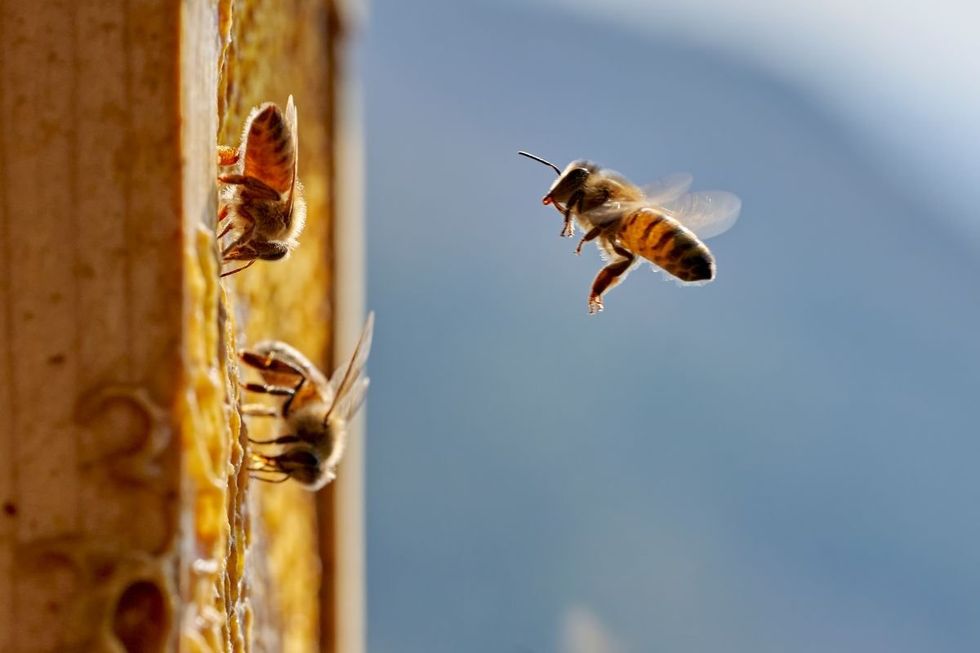
The investigation revealed hives were being contaminated by industrial compounds
|GETTY
Whilst regulations stipulate honey must be free of foreign organic or inorganic matter, no routine testing exists for pharmaceutical or industrial chemical contamination.
Environmental charity Fidra warned: "Outdated UK regulations focus only on certain metals, leaving pharmaceutical contamination completely unmonitored. This means our soils have become inadvertent repositories for everything from antibiotics to hormonal medications."
The researchers stated: "These findings warrant further investigation."
Our Standards: The GB News Editorial Charter