









Four-in-10 women with ovarian cancer are only diagnosed after an emergency trip to A&E, a damning report has revealed.
Survival rates in the UK have been lagging behind the rest of Europe for some time and many cases are detected too late to save.
The research found that over 70 per cent of women are not diagnosed until the disease has reached an advanced stage, dramatically reducing their chances of survival and raising fresh fears about delays in NHS cancer care.
The hard-hitting report stated urgent action is needed to stop women slipping through the net, with a postcode lottery resulting in differing survival rates.
TRENDING
Stories
Videos
Your Say
The findings come from a new analysis by policy research centre Future Health, based on official data from the National Ovarian Cancer Audit.
After examining the quality of ovarian cancer care across England, the report showed that every year around 5,700 women are diagnosed with ovarian cancer.
The majority are only identified after the disease has already spread.
The report added that more than four-in-10 women were admitted to hospital as an emergency in the month before diagnosis.
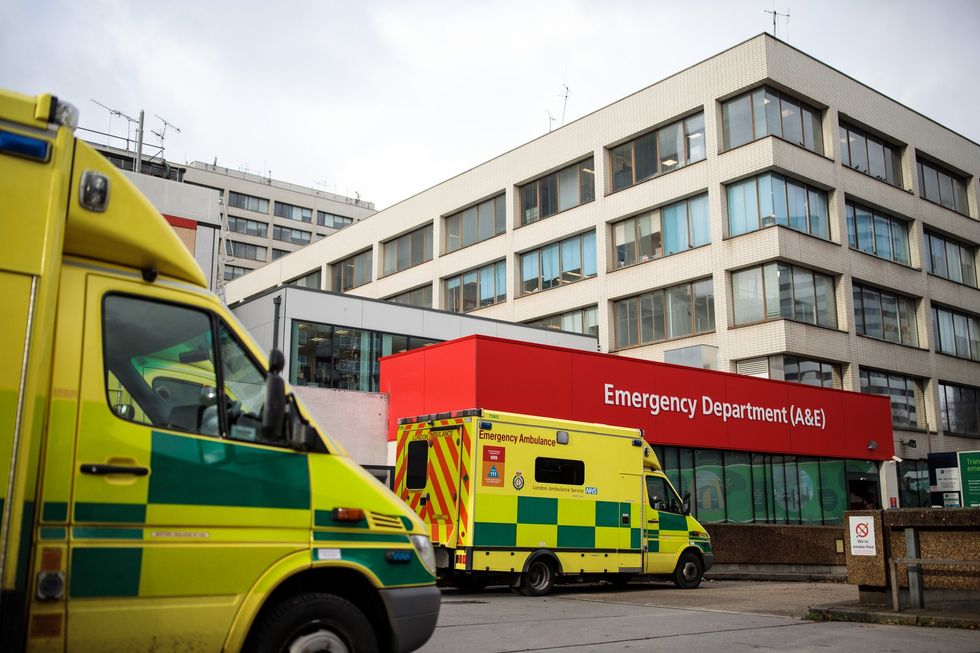
The report added that more than four-in-10 women were admitted to hospital as an emergency in the month before diagnosis
|GETTY
Meanwhile, over seven-in-10 are diagnosed at stage three or four, and 30 per cent die within a year after diagnosis.
More than one-in-four women with advanced cancer receive no treatment at all.
There are also large differences between NHS Trusts in survival, treatment and diagnosis rates.
More than a quarter of women with stage two to four ovarian cancer did not receive surgery or chemotherapy within nine months of diagnosis, while access to recommended platinum-based chemotherapy varied widely.
LATEST DEVELOPMENTS
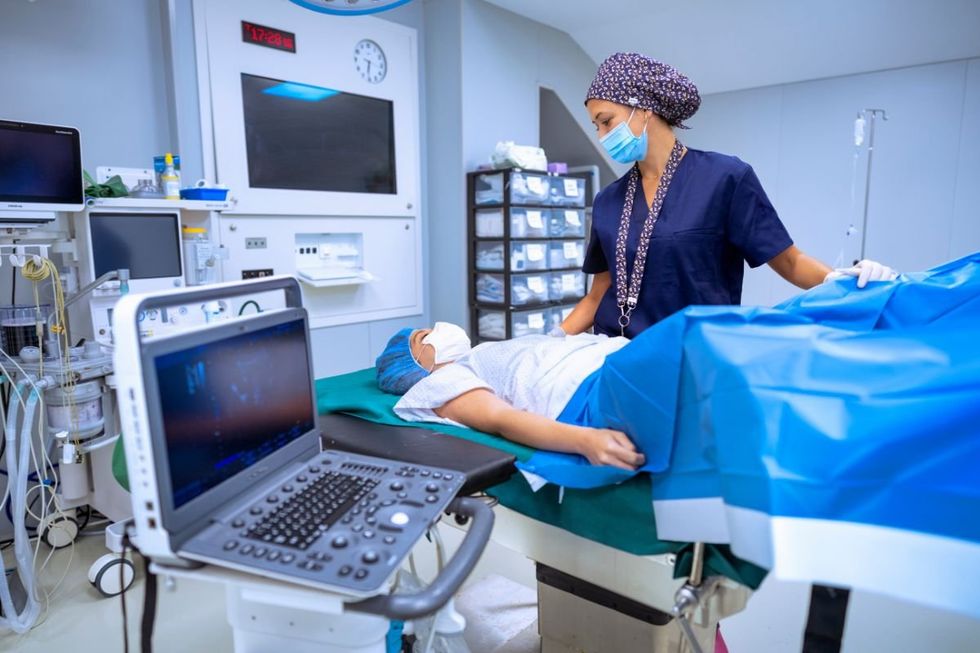
More than a quarter of women with stage two to four ovarian cancer did not receive surgery or chemotherapy within nine months of diagnosis
|GETTY
Researchers warned the figures reveal a “postcode lottery” in care, with some hospitals performing far better than others.
In some parts of the country, the proportion of women diagnosed after an emergency admission was more than 20 percentage points higher than elsewhere.
There was also an almost 19-point gap in one-year survival rates between NHS Trusts.
The report was released just weeks after the Government published its new National Cancer Plan for England, which aims for 75 per cent of cancer patients to survive for five years or more.

Researchers warned the figures reveal a 'postcode lottery' in care, with some hospitals performing far better than others
|GETTY
However, researchers have said ovarian cancer risks being left behind unless it is made a priority.
The report's author, Richard Sloggett, Programme Director at Future Health, said: “The Government has set welcome ambitions through the National Cancer Plan to improve five year cancer survival rates.
"The picture painted by this research makes a strong case for ovarian cancer to be prioritised for action as the Plan is now rolled out across the NHS.
"Improvements in diagnosis and survival from ovarian cancer should be a litmus test for whether the Plan is delivering for patients.”

Bloating, stomach pain, feeling full quickly and needing to urinate more often can all be warning signs
|GETTY
Campaigners also said ovarian cancer is particularly dangerous because symptoms can be vague and easy to miss.
Bloating, stomach pain, feeling full quickly and needing to urinate more often can all be warning signs.
However, many women do not realise they could be linked to cancer.
The study was commissioned by AbbVie, with patient charities including Ovacome and Target Ovarian Cancer consulted during the research.
An NHS spokesman said: “The NHS is seeing and treating record numbers of people for cancer and early diagnosis rates have never been higher, with this report showing a reduction in emergency admissions before ovarian cancer is diagnosed – but we know there is much more to do.
“That’s why we set up the National Ovarian Cancer Audit – on which this is analysis is based – to help identify and address unwarranted variations in ovarian cancer care, and our new National Cancer Plan will transform services to ensure every person gets access to the best care wherever they live.”