

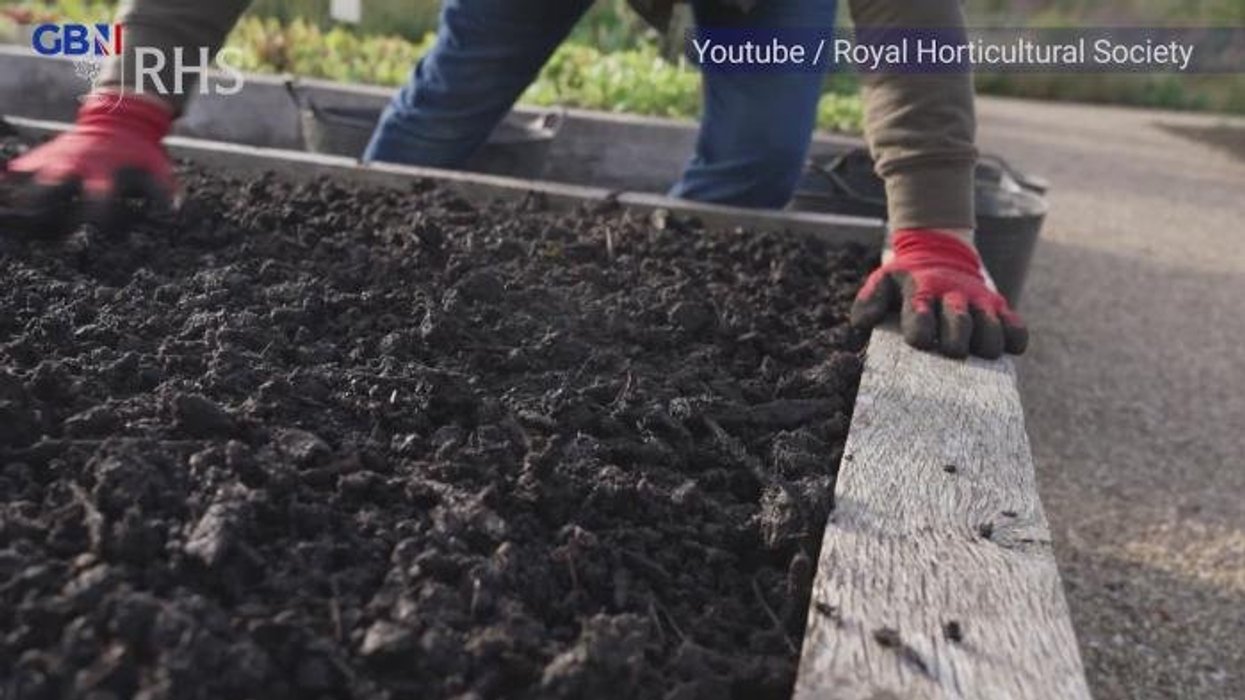









As chilly temperatures set in, you may be tempted to swap time in the garden for cosier indoor pursuits. But according to an expert, neglecting your lawn until the warmer months is a recipe for disaster.
While it's not necessarily a huge month for active growth, there are still so many jobs to complete in December, with a shift to preparation and protection.
GB News spoke exclusively to Maksim Kazakou, resident botanist at Plantum, about how green-thumbed Britons can set themselves up for success in the next 30 days.
She said: "Although December is the first winter month, in some regions, it closely resembles November. If there are any gardening tasks you didn't have time to do in November, now is the perfect time to complete them before the true winter cold arrives.
"There's still time for pruning, planting, early winter sowing, and covering plants."
November gardening tasks all ticked off? Check here.
TRENDING
Stories
Videos
Your Say
Once the November checklist has been completed, Ms Kazakou advised gardening enthusiasts to plant trees and shrubs with bare roots.
"The key is to finish planting before the first frost, ideally giving the plant at least two weeks to adapt before stable below-freezing temperatures set in," she advised.
To get ahead of the game for spring, sowing carrots, parsley, dill, spinach, celery, mustard, onions, radishes, beets, cabbage, and basil in December will give you an earlier harvest.
"However, wait for the first frost to arrive and then sow seeds into the frozen soil. Otherwise, the seeds will sprout immediately and won't survive winter," she warned.
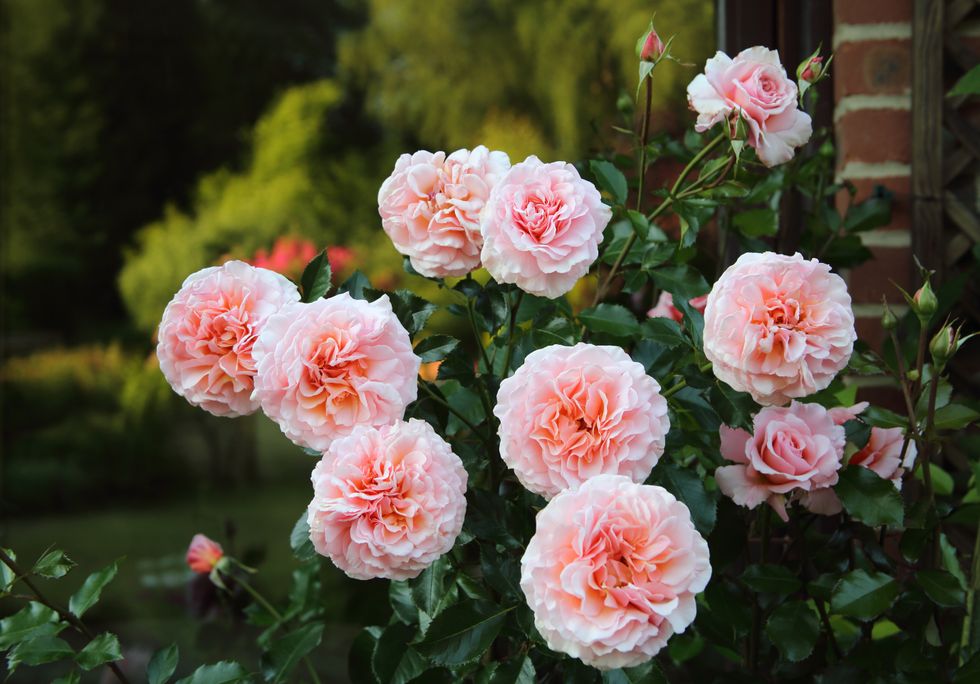
'This is the time for formative and sanitary pruning of pears, apples, currants, gooseberries, and roses'
| GETTYGardening enthusiasts should prepare the bed in advance, ideally opting for an elevated one to prevent water stagnation. After sowing, they should cover the seeds with a thin layer of soil and mulch the bed.
Moving on to existing trees and shrubs, "this is the time for formative and sanitary pruning of pears, apples, currants, gooseberries, and roses," the expert said.
It's crucial to note that stone fruit trees (especially plums) are an exception and should not be pruned during this period, as they'll become vulnerable to silver leaf disease.
"You can also prune fruit trees and berry bushes in late winter or early spring," she added.
LATEST GARDENING TIPS, TRICKS, AND NEWS
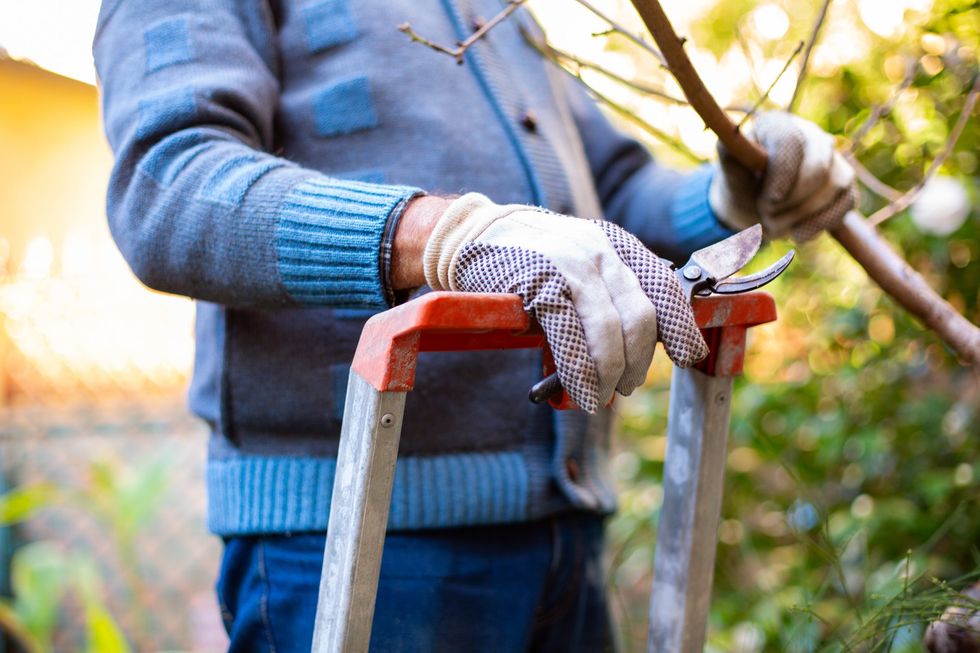
Leave pruning fruit trees and berry bushes until late winter or early spring
|GETTY
According to the botanist, now is the time to protect outdoor spaces against the elements.
Urging Britons to mulch the soil around perennial plants, she explained that this will "help them retain moisture and protect the root system from drastic temperature changes".
She also advised protecting tree trunks from mice and hares by wrapping them with cardboard or other protective materials. Meanwhile, less winter-hardy plants should be covered or moved to a cool storage area.
Finally, the expert encouraged green-thumbed Britons to deal with infections and pests this month, telling them to inspect branches for scale insects and soft scales, as well as various infections like Nectria canker.
Fallen leaves should be removed from rose bushes to reduce early rust and black spot infections in the upcoming season, while plant debris should also be removed from hollyhocks.
"Collect any remaining and fallen fruit from trees, as they're the primary causes of brown rot of stone fruit," she said.
"However, don't remove all fallen leaves from the garden because this could do more harm than good."
Another big mistake to avoid making this month is ignoring your climate's conditions. "When purchasing plants with bare roots, do so before the below-freezing temperatures set in," the expert warned.
Our Standards: The GB News Editorial Charter