










The collapse of Zipcar in the UK has sparked fresh warnings over the future of car-sharing schemes, despite new research showing drivers could save almost £3,000 a year by using them instead of owning a petrol or diesel car.
A report from Collaborative Mobility UK (CoMoUK) found that car club users save an average of £2,800 annually compared with private car owners.
However, the organisation said the loss of major operator Zipcar from the UK market should act as a "wake-up call" for ministers.
Zipcar's departure in December last year removed 46 per cent of the UK's national car club fleet and 92 per cent of London's fleet, with more than 2,500 vehicles disappearing from roads.
Regular users of Zipcars said they were "devastated" by the news of its departure, describing it as a "disaster".
One user wrote: "I'm gutted. Zipcar was a great service. It allowed our family to not own a car and get easy, quick and affordable access to a car when we occasionally needed it.
"We only used it as a substitute for owning a car and viewed it as another option to walking, cycling, getting a bus or train."
Another added that after four years of not owning a car, facilitated by Zipcars available within walking distance of their house, they would "seriously consider" buying a car again.

Zipcar closure left drivers out of pocket and 'devastated'
| GETTYThe study, based on a survey of more than 6,000 users, found the average car club member spends around £675 a year on transport, while the average private motorist spends roughly £3,475 annually.
Researchers also found that every car club vehicle replaces an average of 23 privately owned cars across the UK and 28 in London.
According to the report, car sharing schemes have helped free up around 300 miles of kerbside space, which could be used for cycle lanes, wider pavements and green spaces.
CoMoUK also warned that the share of electric vehicles in car club fleets has fallen for a second year in a row as operators struggle with rising costs linked to buying and maintaining EVs.
LATEST DEVELOPMENTS
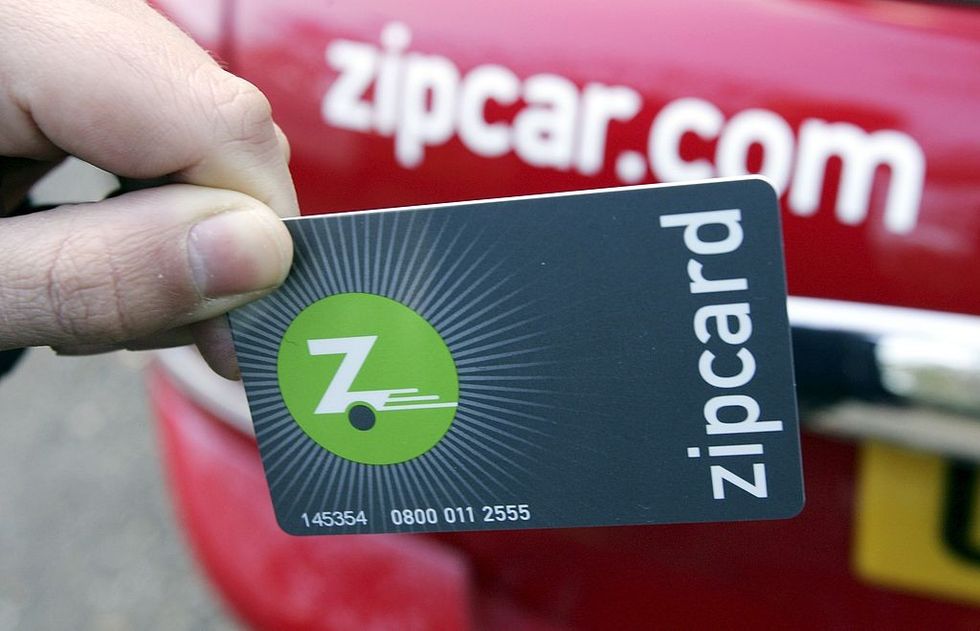 Car clubs can help reduce the number of vehicles on the road | GETTY
Richard Dilks, chief executive of CoMoUK, said: "Our latest research shows that car sharing remains incredibly popular and is of huge importance to users, offering a flexible and affordable alternative to owning a private car.
"The data is clear: car club members drive significantly less and use public transport and active travel much more frequently than the average person."
The report found that users reduce their yearly mileage by an average of 2,112 miles after joining a car club.
It also showed that car club users are more likely to use other forms of transport, including cycling (32 per cent) at least once a week.
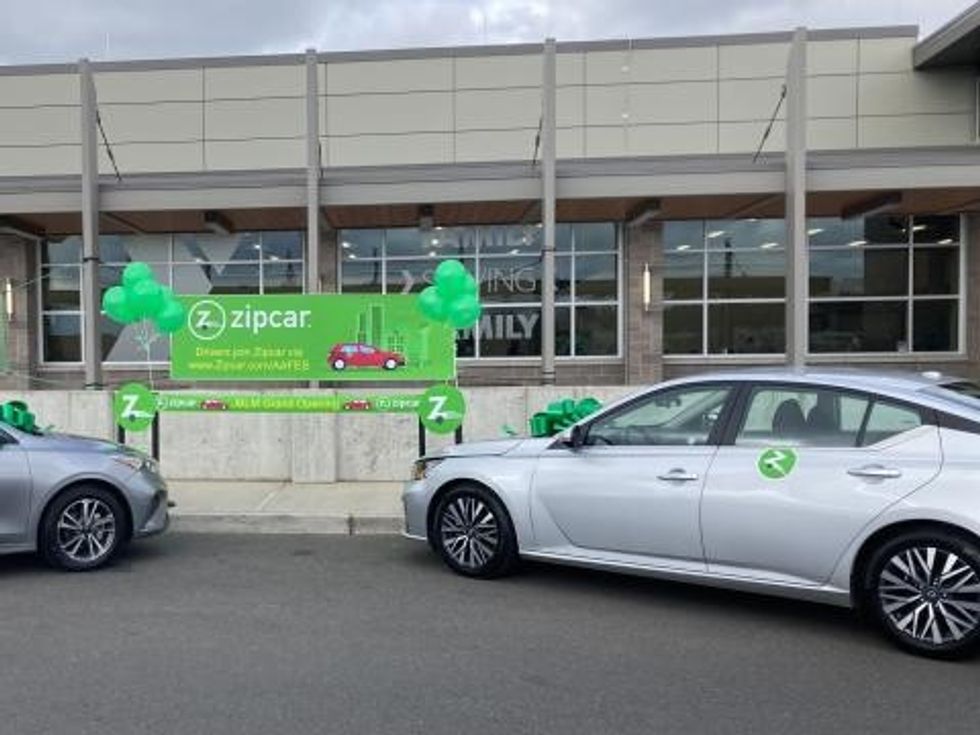 Zipcar operated more than 1,000 electric vehicles available in London | ZIPCAR
Meanwhile, 48 per cent were found to be using buses weekly, more than double the UK average of 23 per cent.
Mr Dilks warned the Government must act to protect the future of shared transport schemes, saying: "Ensuring these schemes can thrive and grow is essential for any Government serious about meeting net zero targets and reducing traffic congestion.
"This must serve as a wake-up call to policymakers across the UK to address these challenges and help maximise the many positive impacts car clubs have on the environment and our transport system."
The report also noted that all UK car club vehicles meet Low Emission Zone standards, making them compliant with Ulez rules, while around half are less than two years old.