







Graduated driving licences will be introduced in Northern Ireland in just a few months as part of the biggest shake-up to driver rules in nearly 70 years.
The new scheme will come into force on October 1, bringing tougher restrictions and new training requirements for young motorists.
Infrastructure Minister Liz Kimmins visited pupils at St Mary's High School and Limavady High School on Thursday to discuss the upcoming changes and hear students' views.
The minister said the scheme is designed to improve safety on the roads and reduce the number of young people involved in serious crashes.
"I was delighted today to meet students from St Mary's High School and Limavady High School to discuss the new Graduated Driver Licensing Scheme and hear their views on the scheme," she said.
The GDL programme is aimed mainly at drivers aged 17 to 23, who are far more likely to be involved in serious collisions.
Although this age group holds only eight per cent of driving licences, they are responsible for 24 per cent of all fatal or serious crashes in Northern Ireland.
Government figures showed that 164 people were killed or seriously injured in 2024 in crashes where a driver aged between 17 and 23 was at fault.
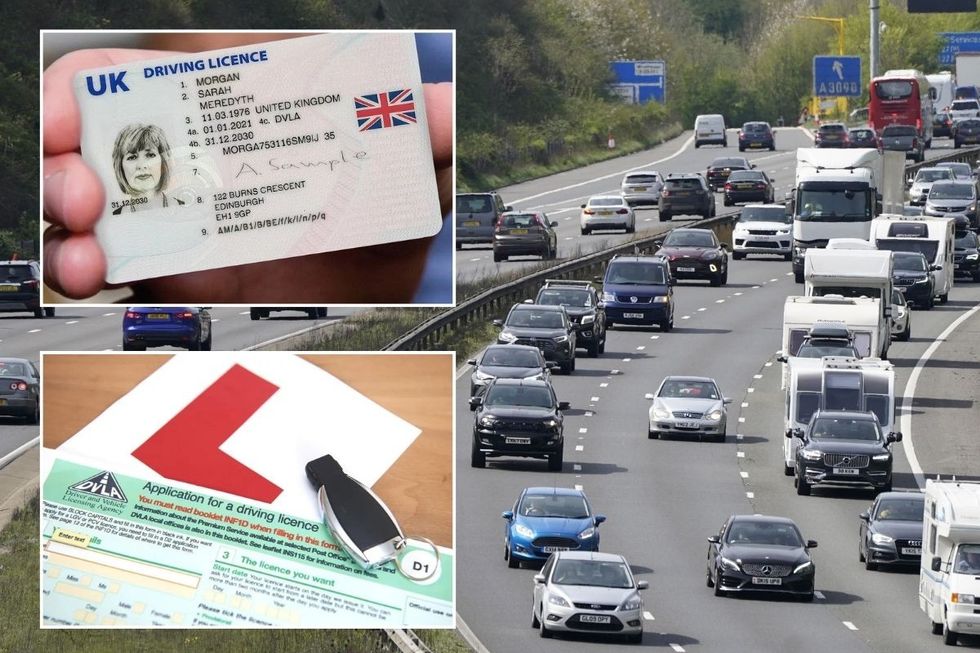 Northern Ireland will roll out new driving licence restrictions following increased casualties on the roads | X/DVLA/PA
This was found to represent an 11 per cent rise compared with the average recorded between 2012 and 2016. Ms Kimmins warned that behind the statistics are real tragedies for families.
"Behind these figures are too many shattered lives as loved ones set off on an everyday journey and suffer life-changing injuries or never come home to their family and friends," she said.
Young passengers were found to be particularly vulnerable. In 2024, 58 people were killed or seriously injured while travelling with drivers aged 17-23.
The new licencing system aims to create safer drivers rather than simply competent ones by introducing more structured training and stricter rules after passing the test.
Under the changes, learner drivers will have to complete a minimum six-month learning before taking their practical test.
LATEST DEVELOPMENTS:
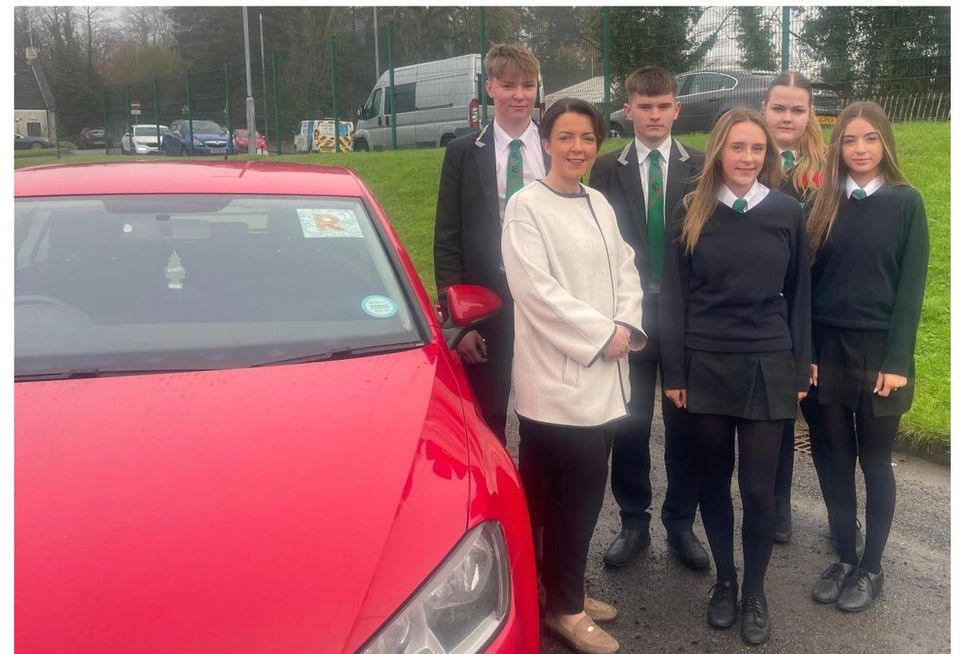
Minister Liz Kimmins, alongside students who will be among those learning about Graduated Driving Licences
| DEPARTMENT FOR INFRASTRUCTUREDuring that time, they must follow a structured Programme of Training, recording their progress in an official logbook.
The programme is designed to help learners understand how factors such as attitude, emotions, and personality can affect their driving behaviour.
Once they pass their test, newly qualified drivers will face an extended 24-month restriction period, double the current 12-month requirement.
Learner drivers will also be allowed to drive on motorways for the first time, as long as they are accompanied by an approved driving instructor.
Additional restrictions will apply to newly qualified drivers under 24. For the first six months after passing, they will face limits on nighttime driving and restrictions on carrying passengers during certain evening hours.
However, immediate family members will be exempt from the passenger rules. Officials explained how these measures are needed because many serious crashes involving young drivers happen late at night.
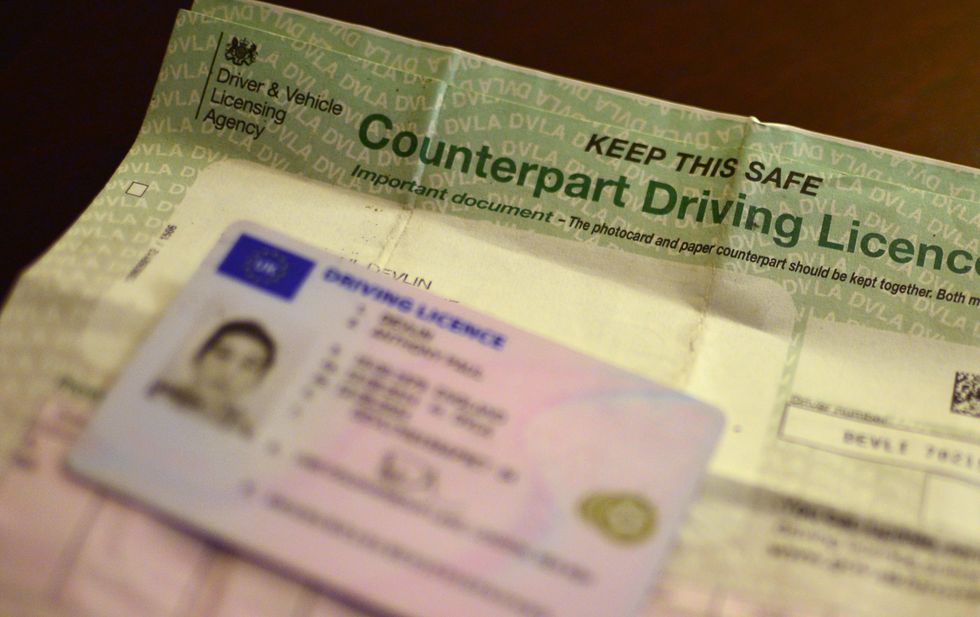
Young people in Northern Ireland will see new driving licence restrictions imposed later this year
| PAAlmost half of all fatal or serious collisions caused by young drivers between 2020 and 2024 happened in the dark. Weekends also pose particular risks.
Around 46 per cent of serious injuries to young passengers aged 14-20 travelling with young drivers occurred on Saturdays and Sundays. More than a third of these incidents happened between 11pm and 6am.
Speed was also a major factor in crashes involving young motorists. Departmental data showed excessive speed was recorded in one-fifth of fatal or serious collisions where drivers aged 17-23 were responsible.
Rural roads are another concern, with young drivers linked to 30 per cent of serious casualties on these routes each year between 2020 and 2024. For young motorcyclists, the most common cause of serious crashes was inattention or distraction, accounting for around a quarter of incidents.
The new licensing rules form part of Northern Ireland's wider Road Safety Strategy Action Plan, developed with emergency services and other Government departments.